
Hidden-Gem Most Tourists Miss in Southeast Asia
Southeast Asia has many famous destinations; however, most of its best cultural sites are hidden under a pile of mass tourist sites. In addition to visiting popular cities and tourist attractions, they can take time to visit some of the quieter areas such as mountain communities, religious shrines, and remote valleys that offer spiritual practices and live similar to people there. These less-visited locations provide more authentic travel experiences, stunning scenery, and insight into Southeast Asia's culture than many larger tourist attractions.
From the Himalayan Region of Nepal (Tsum Valley) and Bhutan (Bhutan Valley) to Indonesia (Sulawesi Island) to Laos (Chieng Khau), the following destinations exemplify what are some of the best-hidden gems of Southeast Asia.
1. Tsum Valley
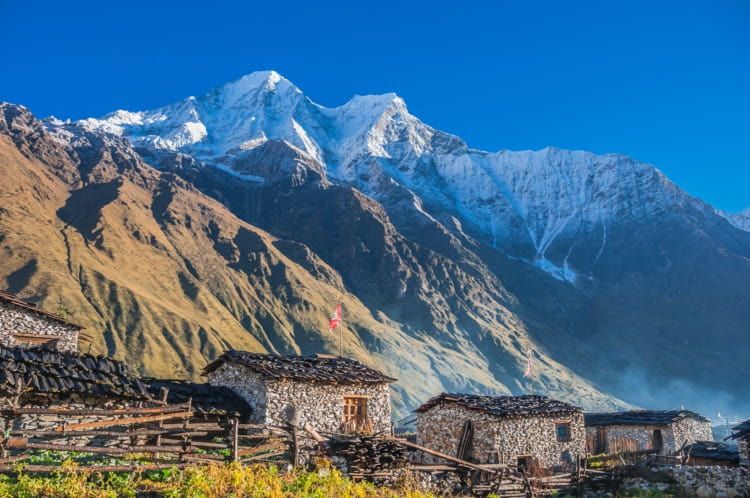
Tsum Valley (or Tsum Canyon) is one of the least developed and preserved parts of the Himalaya in Nepal. The Tsum Valley sits at the northern edge of the Gorkha District close to the Tibetan border. The Tsum Valley has remained sealed to outside visitors until very recently and has given both its unique Buddhist culture as well as time-honored customs the necessary protection from mass tourism.
The region is surrounded by dramatic snow-covered mountains, deep gorges, and peaceful villages built from traditional stone houses. Unlike the crowded Everest and Annapurna trekking routes, Tsum Valley offers a quieter and more spiritual trekking experience.
The people of Tsum Valley still practice Tibetan Buddhism in its purest form, and the valley contains several important monasteries such as Mu Gompa and Rachen Gompa. Prayer flags flutter across mountain passes while mani walls and chortens line village paths, creating a deeply spiritual atmosphere throughout the region. Visitors not only enjoy breathtaking Himalayan scenery but also gain insight into a traditional way of life that has survived for centuries with very little outside influence.
2. Phobjikha Valley
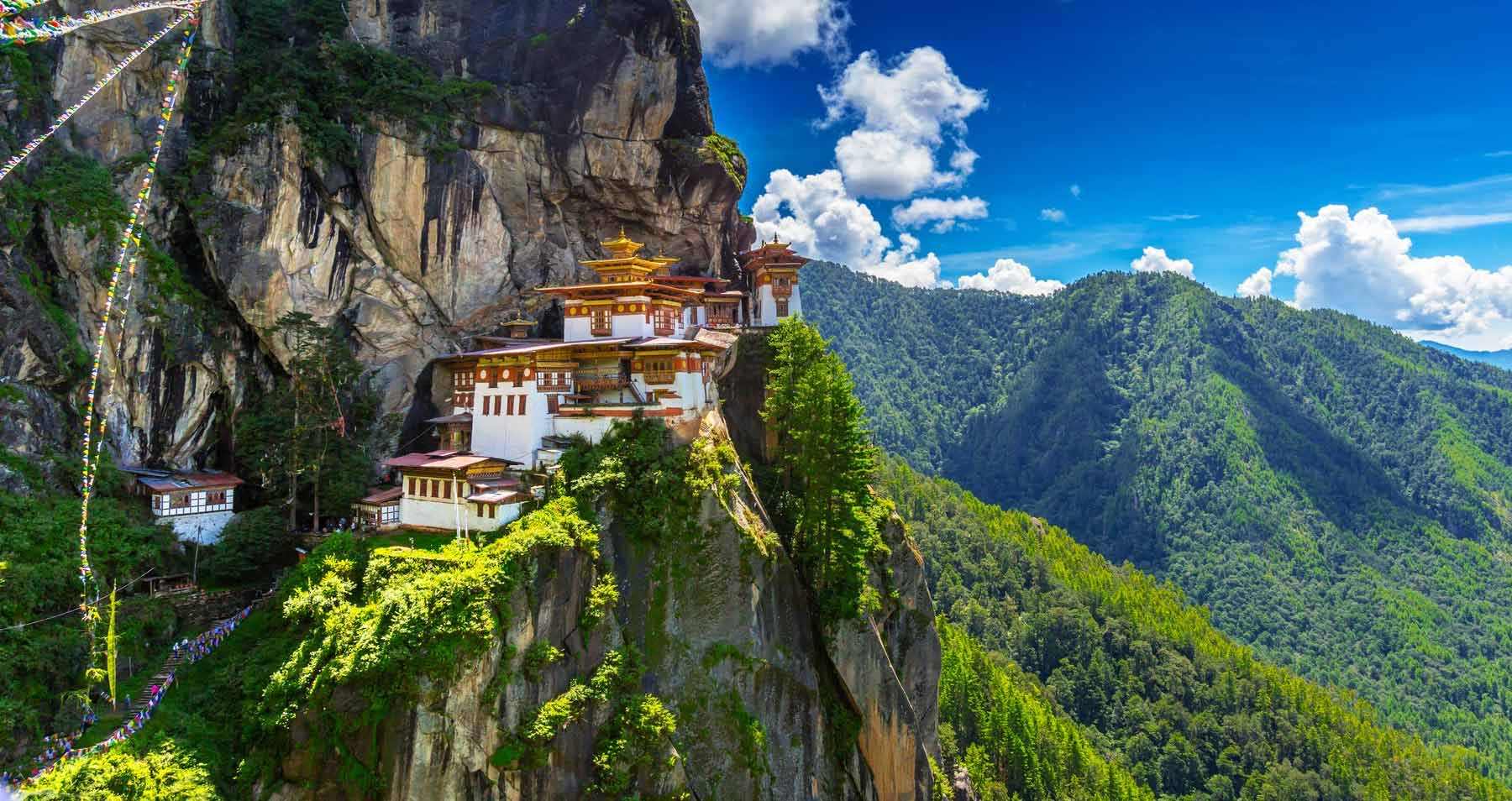
The PhobjikhaValley is a scenic paradise with an almost infinite supply of tranquil beauty, rolling hills, and rich ambiance of spiritual tranquility, all at the base of some of Bhutan's most picturesque mountains. Located at (approximately) 1400m (4600ft) above sea level in Central Bhutan, Phobjikha Valley is famous for the Valley's scenic beauty and the many traditional Bhutanese communities that have settled on the expansive and open fields of the land over many generations. PhobjikhaValley provides visitors a respite from other highly commercialized tourist destinations throughout Bhutan to experience a relaxing, peaceful and calm atmosphere while experiencing Bhutanese culture.
Another place to visit is the world-renowned Gangtey Monastery, which is a significant source of Buddhist education and spiritual development in all of Bhutan. The valley is also visited by thousands of migrating Black-Necked Cranes that migrate from Tibet during their winter months; as a result, the Cranes significantly enhance the Valley's ecology and add to the overall beauty of the area. Visitors will also have an opportunity to explore some of Phobjikha's small rural agricultural villages, visit with local families, and see the unique connections between the local way of life, spirituality, community and the vast landscape of Phobjikha Valley. The combination of ecological, spiritual and scenic beauty is what makes Phobjikha Valley one of Bhutan's most prized natural treasures.
3. Banteay Chhmar
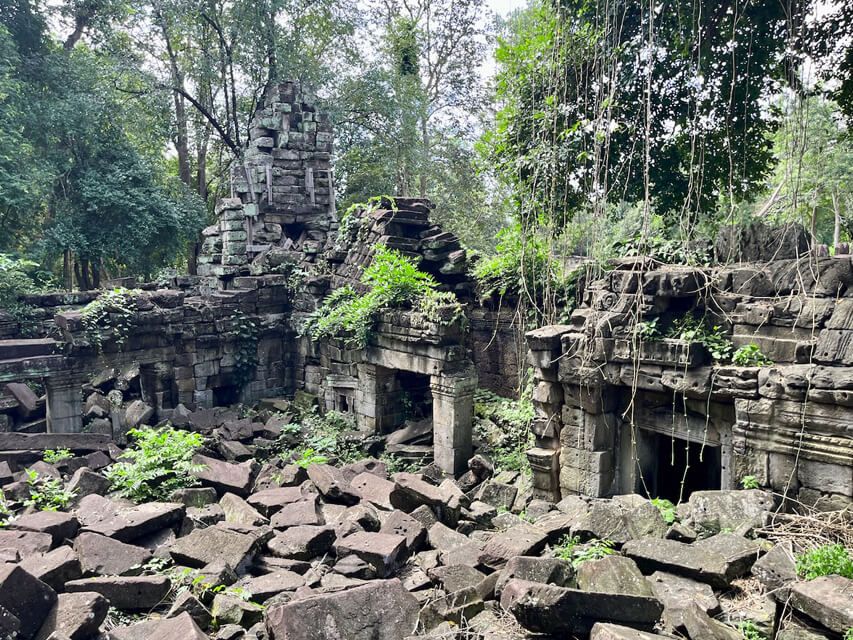
The temple of Banteay Chhmar is located in the jungles of Cambodia and is more commonly overlooked by tourists in comparison to Angkor Wat. It is located on the border of Cambodia and Thailand and is not on the normal tourist circuit so that visitors can have the time to explore the ruins of Banteay Chhmar without being overwhelmed by tourists. Upon arriving at Banteay Chhmar, the entire complex of temples and the jungle surrounding Banteay Chhmar creates a feeling of wonder and mystery. The way that so many people felt overwhelming wonder when seeing Angkor over 1000 years ago has a very similar connection to the sense of wonder and curiosity about Banteay Chhmar, which visitors will experience.
Banteay Chhmar contains many stone carvings (including long corridors and faces of carved stone on the walls) that demonstrate the artistic ability of the Khmer Empire. There are a number of village dwellers who live in the area of Banteay Chhmar, and they tend to the temples of Banteay Chhmar and welcome visitors to share the Khmer culture; Visitors to Banteay Chhmar will feel as if they have gone back in time to an ancient civilization; there is something about the history of Cambodia to learn about near Banteay Chhmar no matter where you look.
4. Mae Kampong
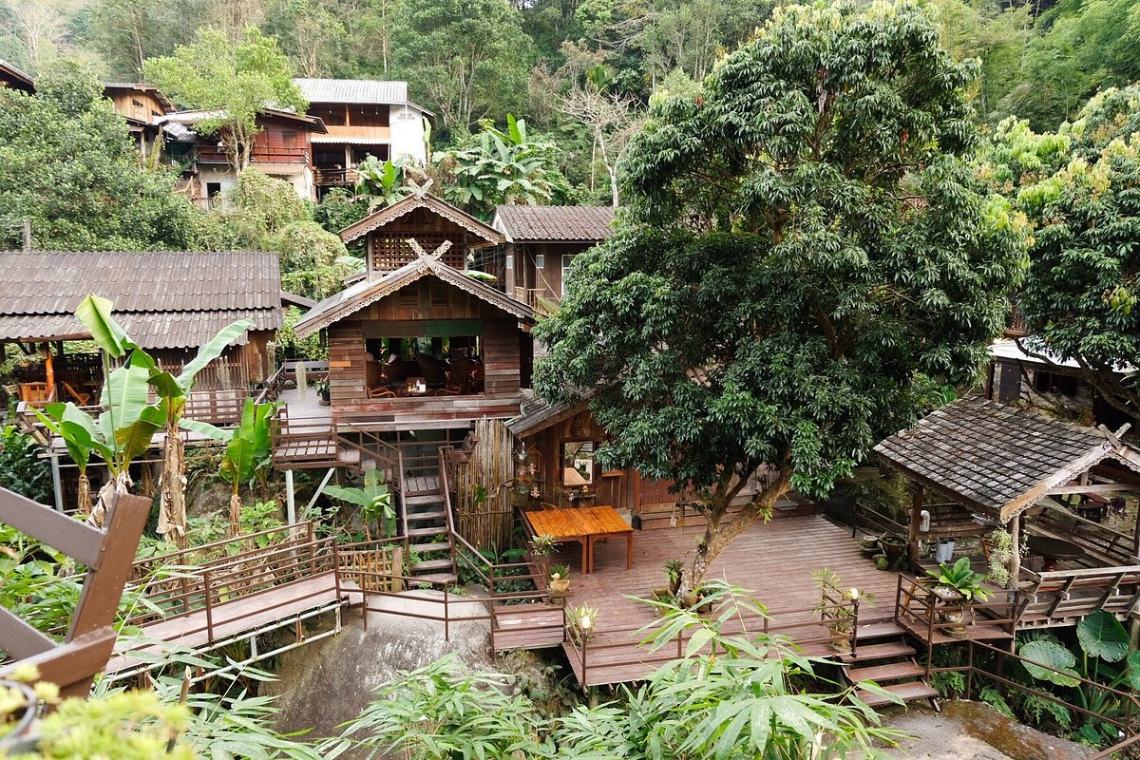
Mae Kampong is located in central Northern Thailand and offers visitors an alternative to Malaysia's commercial resorts and urban centres. Mae Kampong is comprised of many wooden homes along its many streams, and offers visitors to experience traditional Northern Thai culture within a tranquil, relaxing, and natural environment.
Mae Kampong also promotes sustainable lifestyles through community-based tourism. Local villagers provide a variety of lodging (homestays) and products. Visitors to Mae Kampong have the opportunity to hike in lush forests, visit nearby waterfalls, and enjoy locally grown tea and coffee grown within the village. Many visitors to Mae Kampong choose to do so because of the cooler mountain climate and quieter atmosphere in which to relax and learn about the local culture and way of life.
6. Sembalun- Indonesia Beyond Bali
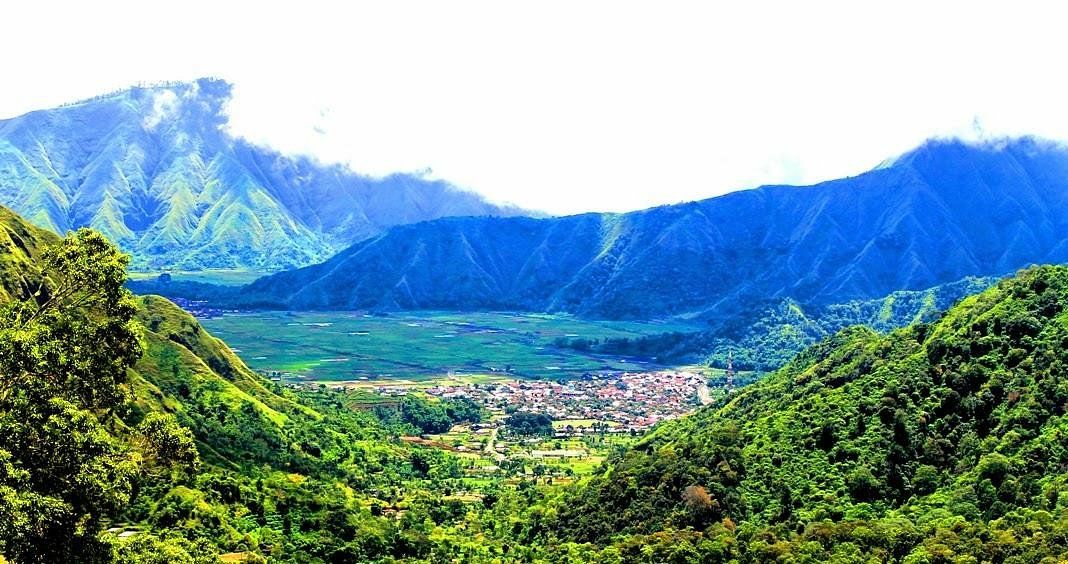
Sembalun is situated in Indonesia's Lombok Island next to Mount Rinjani, one Indonesia's most well known volcanoes, and is surrounded by beautiful valleys and volcanic scenery. Sembalun offers international travelled seeking a mountainous vacation and an alternative cultural experience compared to Bali; here visitors may relax amidst the friendly Indigenous ethnic group known as the Sasak, who have lived in this area doing agricultural activities for hundreds of years.
Walking through the lush farming landscape you will encounter multiple stunning photographs opportunities and will come across many welcoming villagers who are excited about the opportunity to share their culture with travelers.
If you want to explore the adventure of climbing on top of Mount Rinjani (the biggest mountain in the NTB Province of Indonesia) then Sembalun Village is a great base for climbing, but will also give you access to the mountainous cultures that live there, and will also give you a quiet spot to rest at night when your adventures are over!
7. Indein Village
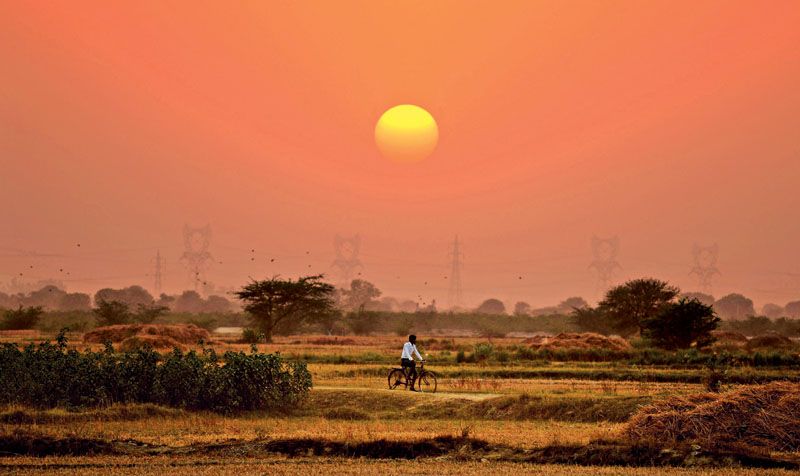
Indein is an idyllic location on the shores of Lake Inle in Myanmar. The village has numerous ancient stone pagodas set among the trees of a mountain range. The village can be reached by boat, navigating through narrow, low-level canals built over floating gardens.
Unlike most tourist sites in Myanmar, Indein offers an exceptionally beautiful and tranquil environment where you can experience the true spirit of Indein without being surrounded by an abundance of tourists.
Indein is surrounded by many magnificent and historically significant stupas and pagodas, some of which have existed for generations and some of which are showing signs of decay; the devotion of the generations that have gone before to these sacred sites is apparent. Visitors to this beautiful area of Myanmar will feel as though they are rediscovering a temple that time forgot. All visitors will have the opportunity to feel the religious beliefs of the Shan and other Buddhists through their pilgrimage to these sacred sites.
8. Batad Rice Terraces
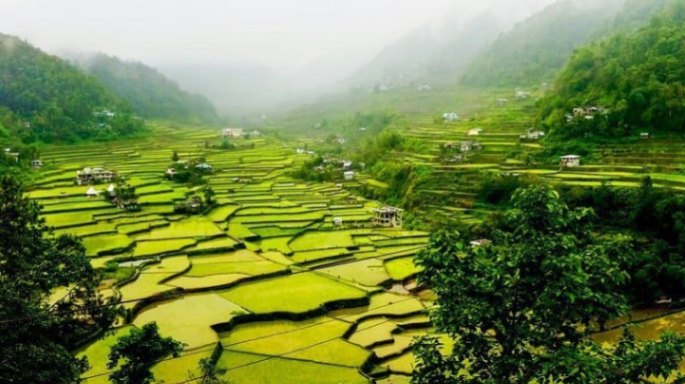
The history, heritage and culture of Cambodia are intertwined with rice terraces for at least thousands of years. Rice terraces are an ongoing provider of sustainable agriculture and represent Cambodia's sustainable long-term agricultural practice. Batad, a small community that sits at the foot of the Ifugao Mountains, contains some of the most impressive examples of terraced agriculture found in rice terraces throughout the world. The Ifugao people have cultivated rice in rice terraces located in the mountains for over 2000 years and continue to practice the agricultural techniques used by their ancestors.The Ifugao people in Batad have continued to thrive as a community thanks in part to their traditional agricultural methods; rice terraces are one of the Philippines' most impressive achievements made by indigenous groups throughout all of Asia. Batad is distinctive from most other communities in that there are no roads leading into or out of Batad, making it an exceptionally peaceful and serene location where people can enjoy an honest representation of both history and culture.
Surrounded by calm yet breathtaking nature, the enchanting view of hillside rice terraces and cascading waterfalls at the foot of towering peaks along with the majestic mountains partially hidden behind puffy white clouds, and charming old style bamboo houses lined along the banks of the rivers make Batad feel like a piece of paradise on Earth That many people have experienced, who have visited before.
A walk through Batad, on the narrow, winding mountain paths provides the visitor’s opportunity to learn about the lifestyle and culture of the Ifugaon people of the area, and gives them a true to life comparison of what we see and do now in today’s ever changing fast paced world and to appreciate Batad’s surroundings as well as its beauty and culture.
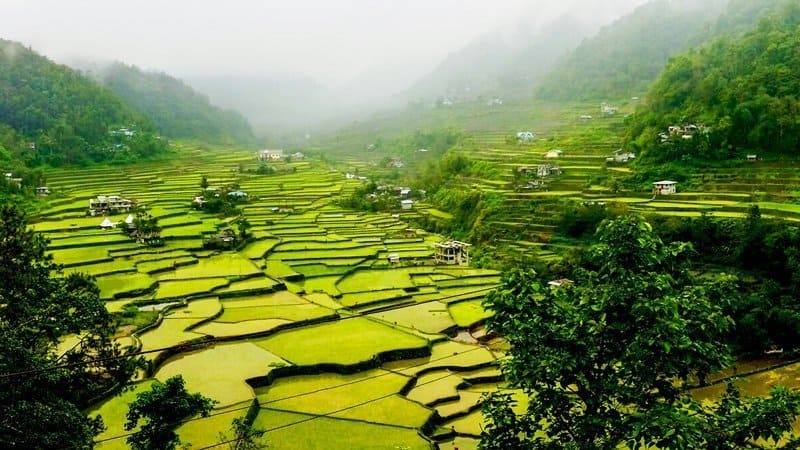
Batad is, as it is commonly called, one of the last true gems in the Philippines for the experiences to be gained through its rich history and culture, and all it has to offer in terms of its stunning scenery make it unlike anything you will find elsewhere in the Philippines.
Conclusion
There are many unnoticed but wonderful places to explore that may include but are not limited to temples, local farms, and unique buildings that would lay dormant in the shadows of the popular tourist attractions found throughout Southeast Asia. These places not only provide a breathtaking view, but are also a way to witness another world and to be a part of peaceful settings and to continue to enrich the cultural heritage of the area before it becomes a commercialized and modernized society. Vacationers can enjoy remaining in one location for an extended period by visiting these sites and developing a relationship with the local inhabitants.
Hidden Treasures of Southeast Asia include the Sacred Valleys of Bhutan and Nepal, the ancient temple city of Angkor Wat, the mountains of Indonesia, to name just a few. By experiencing these locations one would be able to see Southeast Asia in a way that they probably never envisioned. If you are looking to create a diverse cultural experience and create lifetime memories, there are many opportunities to discover.