
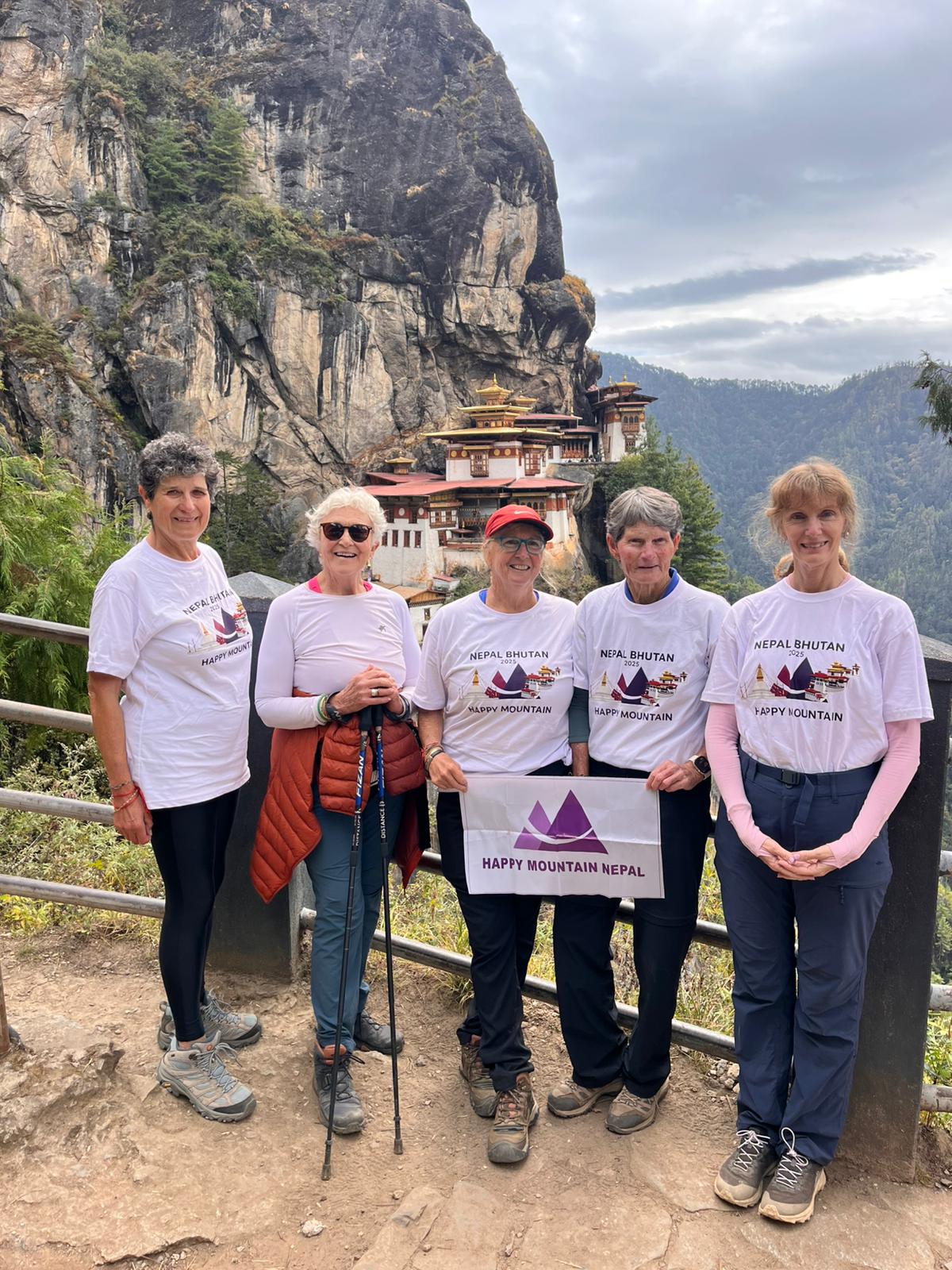
I Haven’t Been to Bhutan: What Are My Expectations?

Bhutan, also known as the Land of the Thunder Dragon, is undeniably the most peculiar and mysterious country we have encountered in the entire Asian continent. A small country that is still immersed in tradition, spirituality, and an unusually rich natural world, and that sustains ways of life rarely seen anywhere in the world. Bhutan is on my personal list, and I am constantly filled with interest in the country. The more I read about Bhutan, the more I want to experience it.

From monasteries to cliffs, to clean valleys of the Himalayas, to wonderfully cultural, festivals, to a philosophy where the indicator for a nation’s goal is rooted in happiness, Bhutan appears to have adventure pursuits that stretch far beyond the visual. In this blog, we are writing expectations of what I think about what might surprise me, resonate with me, and stay beyond my departure.
1. The Warmth of Bhutanese Hospitality.
Travelers who have traveled to Bhutan almost always refer to the friendliness and warmth of the citizens. I suspect very strongly that while the Bhutanese hospitality will be welcoming, it will also be genuine. I have been told locals will smile and welcome travelers, share stories, and encourage visitors to participate in their traditions.

Visitor picture Bhutan, unlike travel destinations in other areas of the world, will be much more personal to the experience. Visitors will sleep in a citizens’ guesthouse or homestay, they will eat homemade items at meals supplied by the hosts, and more importantly, they will drink butter tea and socialize without the pressure of time. Those communal experiences are atypical in today’s fast-paced world of travel, and it is precisely those experiences I think will remain when thinking back on the experience of visiting Bhutan.
2. A Journey into Gross National Happiness
One of the components of Bhutan’s unique identity is the country’s idea of Gross National Happiness (GNH). Most countries have a metric; if they are measuring someone’s (or the country’s) progress, it will be GDP. However, Bhutan has placed its citizens (and the citizens’ happiness & well-being) before GDP.
I am expecting to see this evident in the everyday life of the area during my travels villages that prioritize harmony, policies which promote culture and the environment, and a pace of life that encourages slowness and awareness. This certainly invites travelers to step back from materialistic checklists and instead encounter elements that hold joy and meaning to us.
3. The Iconic Tiger’s Nest Monastery.
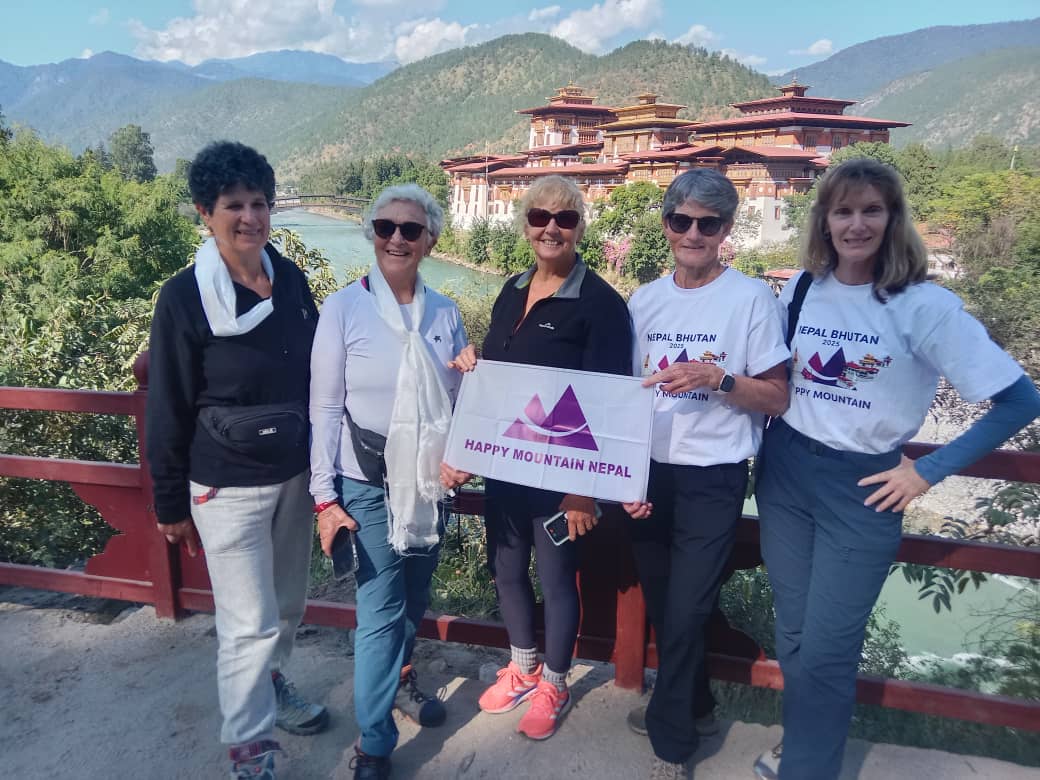
If one thinks of Bhutan, the first image that undoubtedly comes to mind is the awe-inspiring Paro Taktsang (Tiger’s Nest Monastery). This sacred temple looks as though it tumbled straight out of a story or movie, precariously placed on a cliff at a dizzying elevation of 3,120 meters.
I have not yet had the opportunity to visit, but have assumed that the hiking to the top will be an experience in itself. Historically significant and challenging indeed, depending largely on the season, traversing through pine forests with prayer flags waving in the wind throughout our journey, and stopping to take in the views that first reveal the monastery clinging, impossibly, to the rock face.
 Arriving at the monastery will certainly feel more like a pilgrimage than a tourist spotted landmark, visibly forcing awareness of the divination one has encountered because of the Buddhist faith of the area, all while integrated in and respecting the environment of Bhutan.
4. Immersion in Monastic Life and Spirituality
In Bhutan, the essence of religion as a lifestyle is centered around Buddhism. Spirituality is all around, fluttering prayer flags, spinning prayer wheels, and monks in the traditional crimson chanting, and integrating people.
I look forward to seeing dzongs (fortress monasteries), witnessing rituals that have not changed in centuries, and, of course, observing monks debating and engaged in prayer. However, I am interested not only in observing, but also in experiencing the stillness and contemplation, the feeling of being pulled to slow down and look within myself and beyond this trip at my life and experiences while I am on this trip.
5. The Colors and Energy of Bhutanese Festivals
The world has an understanding and embraces Bhutanese festivals, or Tsechus, for the ritualistic practice of color. Anticipate experiencing lots of color, music, and meaning at the festivals. The festivals in Bhutan are ‘real’ and true festivals, not like the festivals in just about all parts of the world, where festivals are primarily organized for tourists and tourism, and not to enrich a local Tradition. I assume that once I attend a festival, it will feel a bit like entering into a living tradition in a lovely outdoor space filled with happiness and reverence.
The mask-dancing in costuming and ritual, sometimes a sacred practice. It does not matter the schedule, region, or Tsechu; they all share in common the same defining concept bringing the community together in devotion and celebration.

6. Nature, Pure and Simple
Bhutan is often rated as one of the most ecologically sensitive countries. More than 70% of Bhutan is designated as forest, and the Constitution allows it to never head significantly lower than 60%. Bhutan is one of a small number of carbon-negative countries.
I anticipate that every trek or travel nearby, or with a local village, will be a peek into a sacred environment. The snow-capped mountains, unembellished running rivers, alpine meadows, and flower meadows in valleys will be sensory overload, and I could be close to experiencing nature at its most idyllic. If you are someone who craves beautiful, untouched environmental spaces, this could be my night to reach the pinnacle of beauty for my journey.
7. Treks That Reflect Adventure and Culture
The giant mountains of the Himalayas support many trekking routes, but Bhutan’s trek experience feels different. They are not just a route to summit a mountain. But a route to meet and engage in local life along the trek. For example, the Druk Path trek, or the Snowman trek, passes through villages. Monasteries, and high mountain passes with yaks grazing nearby.
My preliminary Google search of trekking in Bhutan suggests to me that trekking will feel less busy, less in awe crowded, like trekking in Nepal or India. And it will feel more solitary, which I am excited to explore in more of an authentic way. The combination of physically strenuous trekking and encounters with local culture. It will offer an experience that is much more than an adventure. But rather a journey of discovery.
8. Traditional Bhutanese Architecture
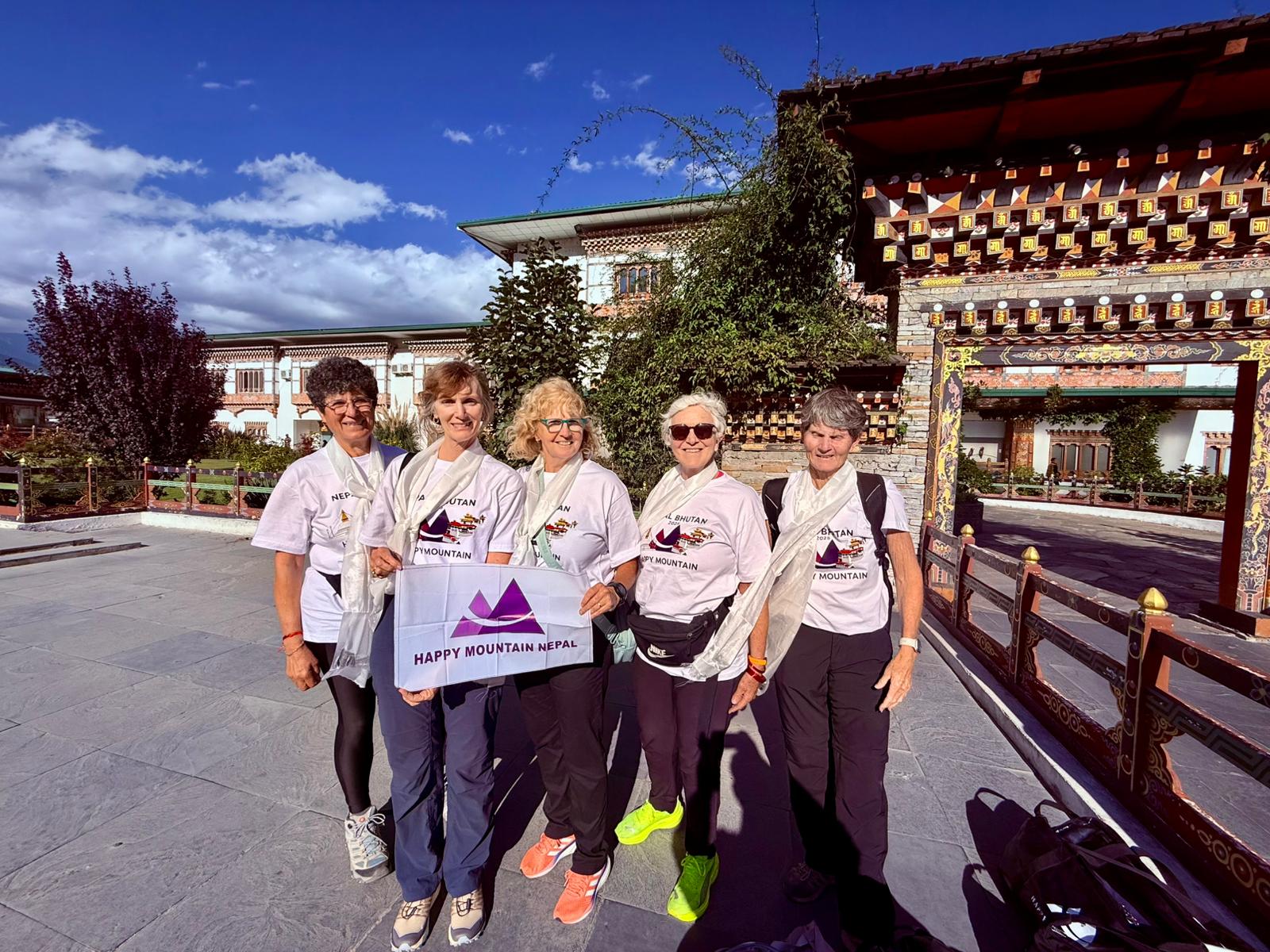
Bhutan’s architecture is recognizable. The whitewashed walls, wooden windows with intricate carvings, and large dzongs establish locational dominance in the valleys they occupy. Unlike so many other countries, Bhutan has not rushed to build modern glass towers, and they have managed to preserve its cultural aesthetics.
I’ve concluded that it is remarkable to see that the concept of “traditional” exists in contemporary buildings. When I am ambling around Thimphu or strolling in Paro, I can’t help but feel as if I am in a live depiction of an active museum where it is living and changing to reflect the present.

9. A Taste of Bhutanese Food.
Food is often an essential part of traveling, and the cuisine of Bhutan is considered heavy and spicy, with flavor combinations that are likely wholly new to my palate. I’m particularly looking forward to Ema Datshi (chili and cheese) since it is considered the national dish of Bhutan. I imagine my taste buds will enjoy and be horrified by a number of the flavor combinations during the trip.
Among other things, I will try red rice, buckwheat pancakes, butter tea (Suja), and the way people share communal dishes of food. Food can also act as a window to culture. If I was fortunate enough to experience a traditional Bhutanese meal. I can imagine that the food will exhibit some sense of resilience, practices, and hospitality.
10. A Sense of Timelessness
One of my greatest expectations of Bhutan is to feel like I am stepping back in time instead of feeling like it is behind, but rather it has taken a different path. At a time when most of the world is moving towards rapid modernization, Bhutan is balancing its traditions with advancements.
I imagine I will experience days that aren’t defined by the incessant, habitual buzz of modern distractions. Days when the mountain air, monastery bells, and human connection matter. More than the speed of Wi-Fi signals or shopping mall sales. That sense of timelessness is what many travelers are looking for today. I imagine it will lead me to a profound sense of peace.
11. Unique Travel Experience Due to Tourism Policy.
Unlike many destinations that encourage mass tourism, Bhutan has a principled High Value, Low Impact approach to tourism. To visit Bhutan, all visitors are required to pay a Sustainable Development Fee (SDF). This fee is used to foster the preservation of the country and its development.
I expect that this will mean fewer crowds and a better experience. Not having to deal with the hordes, and the experience being authentic. Bhutan may be a little more expensive when compared to other countries. In the region, but I appreciate paying for authenticity and sustainability.
12. A Different Kind of Luxury
In Bhutan, luxury is not necessarily five-star hotels (they exist). But I would like to think that it will be space, silence, and authenticity. You could wake up to the view of the Himalayas, at a heritage farmhouse, or hot stone baths after a day of trekking.
This luxury is both simple and profound, and feels more enriching than luxury items. Bhutan has assured me of this luxury.

Final Thoughts: The Weight of My Expectations.
While I have yet to visit Bhutan, it is exciting to build these expectations. They shape an orientation to what will make this country distinctive. Not simply as a destination, but as a place that will present a challenge to how we live life and think.
If my expectations are accurate, I will not just be adding a stamp to my passport when I visit Bhutan. Ideally, it will be an experience of culture and spirituality, and pure nature. Perhaps, when I go, I will actually see. Bhutan is not simply a destination, but a place to truly change as a person. If you want to know Contact us today at Happy Mountain Nepal, on Facebook, Instagram, or TikTok.