

Nar Phu Valley Trek: Nepal’s Hidden Himalayan Adventure
Introduction
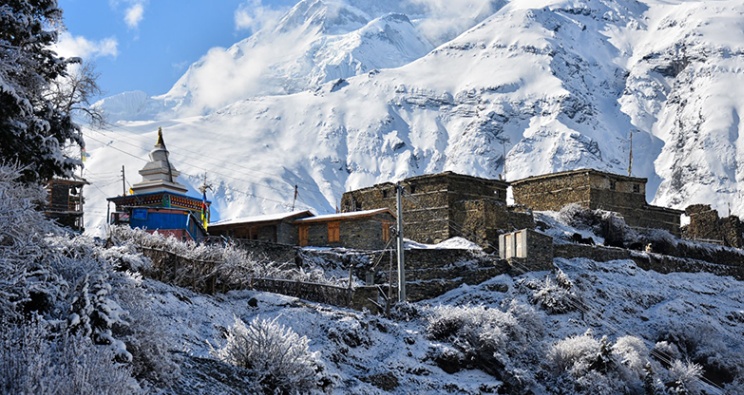
The Nar Phu Valley Trek is located in the far north of Nepal, one of the most remote areas to trek in the Himalayas. While Nepal has several popular trekking routes (such as the Everest Base Camp and Annapurna Circuit) that are well travelled, the Nar Phu Valley trekking offers an experience very different to these. On the Nar Phu Valley Trek you will find beautiful scenery, tranquil hiking trails, tranquil hamlets, and a unique cultural experience not found elsewhere in the Himalayas. The hidden valley trekking experience of the Nar Phu Valley will appeal to those wishing to avoid busy trekking routes and want to see a different side of Nepal.
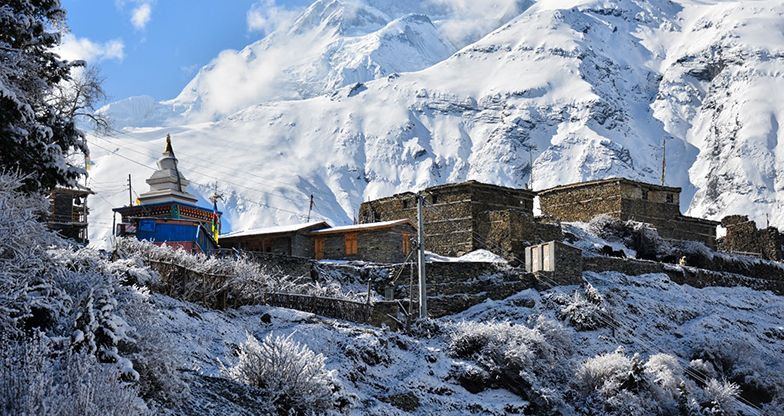
The Nar Phu Valley was only opened to foreign trekking groups in 2003; therefore, it remains relatively unknown and has a history of being secluded from the western world. Due to the difficult terrain and lack of access (only accessible on foot) for centuries, this area has been able to preserve its traditional lifestyle and architecture. As you trek through this area, you are transported back in time as you experience the ancient practices of Tibetan Buddhism, yak caravans, spinning prayer wheels, and traditional stone homes.
There will be a lot of excitement when trekking through the Nar Phu Valley as there is an abundance of spectacular mountain vistas, rich culture influenced by Tibet, deep canyons, high mountain passes, old monasteries, and tranquil wilderness associated with the Himalayas!! Each day will provide you with a different type of adventure such as crossing suspension bridges over fast-moving rivers, climbing barren mountains, or seeing the sunrise over snow-capped mountains!! If you seek solitude and authenticity when trekking, Nar Phu Valley would probably be one of Nepal’s best-kept secrets.
Where is Nar Phu Valley located?
The Nar Phu Valley is located in the northeast part of the Manang District in Nepal and is located in the Annapurna region of Nepal. The Nar Phu Valley is located close to the border with Tibet and is part of the protected Annapurna Conservation Area Project (ACAP). Although geographically close to the famous Annapurna Circuit, the Nar Phu Valley is different because it is relatively remote and only has limited access.
The Nar Phu Valley is composed of two old historical villages (Nar and Phu) located in the high Himalayas of Nepal and surrounded by the majestic Himalayas. Between these two villages are rugged paths that connect them, through narrow canyons, through flowering Alpine meadows, through glaciers and along sheer cliffs. Very few people live in the Nar Phu Valley due to its ruggedness and lack of major road access, therefore it has maintained its own unique cultural identity as a historical mountain culture over the last many generations.
The Nar Phu Valley is different from most other popular trekking destinations in Nepal, as there is very little tourist infrastructure and is considered "wild" compared to most other trekking regions. Unlike other popular trekking destinations where there are numerous luxury hotels and very crowded shopping markets, visitors of the Nar Phu Valley are able to see and experience the lifestyles of remote Himalayan people living in their natural environment.
The total seclusion of Nar and Phu Valley makes them attractive to those looking for adventure and those who wish to witness a very different culture than their own.
Why Nar Phu Valley Trek is Unique
A Hidden and Less Crowded Trek
one of the last frontiers of the world where few have walked before. Trekkers will have the opportunity to interact with a variety of wildlife while trekking through the Nar Phu Valley. The Nar Phu Valley is also home to some of the most spectacular mountain scenery found anywhere in the world. From the glaciers in the high peaks to the lush green valley floors created by the melting snow from the summer months, trekkers can experience a myriad of beautiful views. In addition, trekkers can enjoy the unique cultures of the people living in the Nar Phu Valley, as there are many different ethnic groups represented within the valley.
For those who want to experience the beauty, serenity, and remoteness of the Nar Phu Valley, this trek will not only provide an opportunity to hike; it will also provide the opportunity to gain an understanding and appreciation of the Himalayan lands, mountains and the rich cultures of the people who have lived in this area for centuries. Trekkers will also find that food and accommodation are of a very high standard and that there will be limited contact with other trekkers, providing a true sense of disconnection from the western world.
Authentic Tibetan Culture
Nar Phu Valley's cultural experience is one of the most culturally rich in Nepal. The region had remained cut off from outside influences for many hundreds of years, meaning that local populations maintained a great deal of their traditional Tibetan Buddhist beliefs; this includes the retention of their own languages, customs, and forms of architecture. Travelling through the villages feels as if one has stepped into an open-air museum of ancient Himalayan culture.
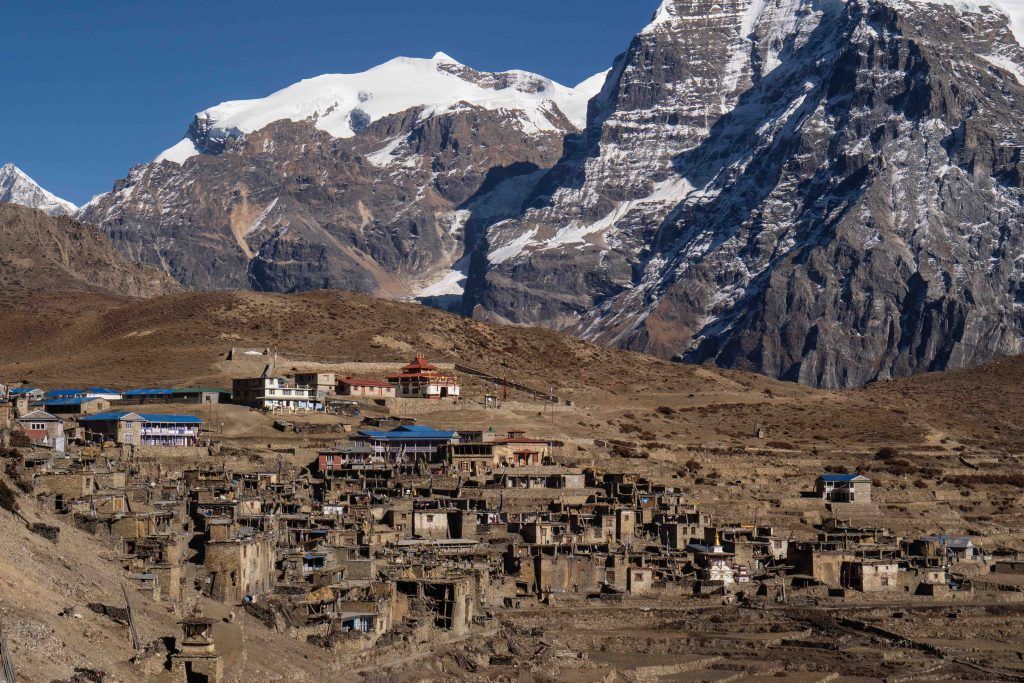
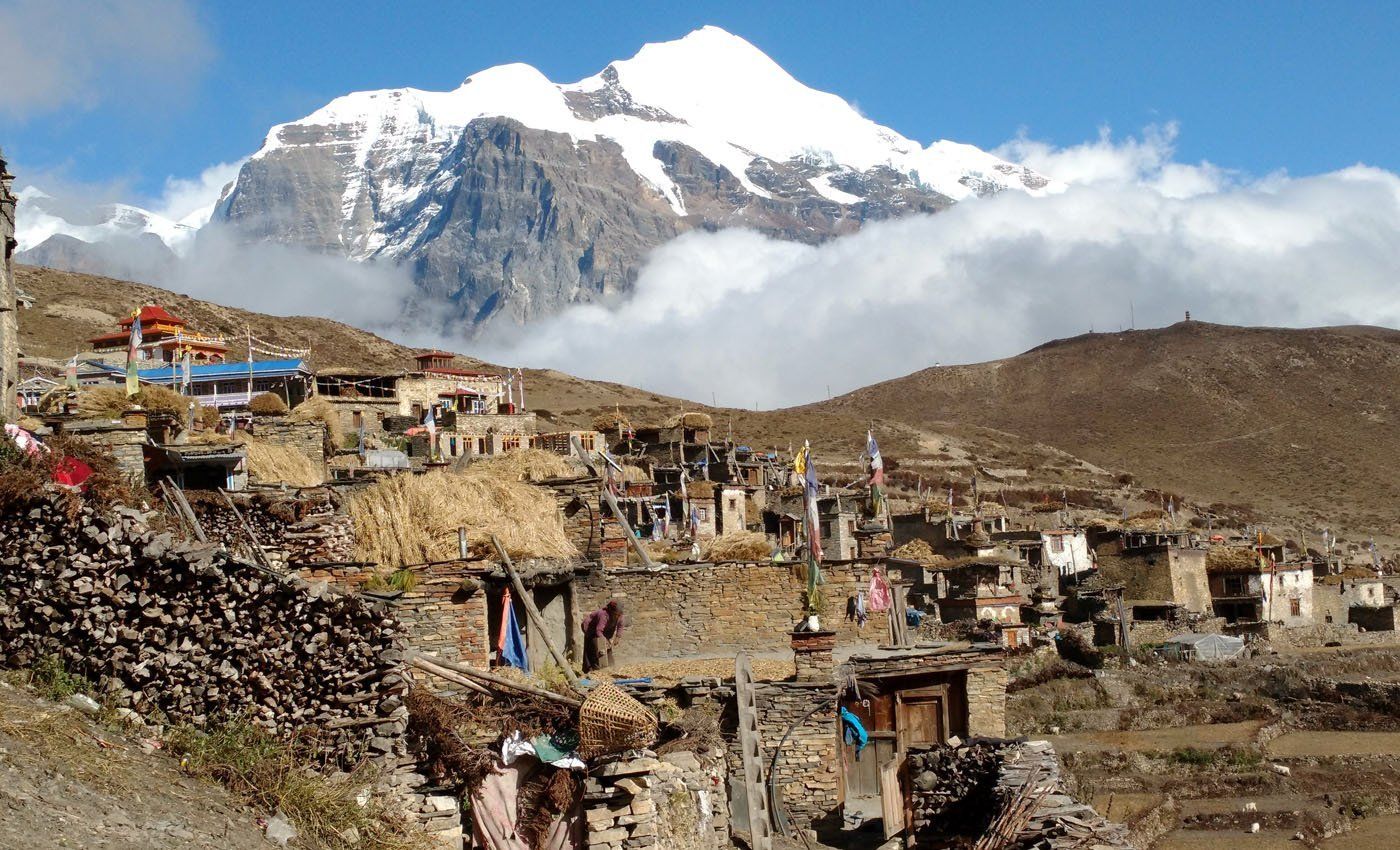
Traditional stone houses were constructed close together to insure protection from the extreme weather conditions associated with the mountains. Prayer flags can be found fluttering over the rooftops of many of these stone homes, and there are numerous prayer wheels located along the trekking trails and main walls. The monasteries that are built into the cliffs serve as community spiritual centres and the practice of Buddhist ritual continues to dominate the daily lives of the people who live in Nar and Phu.
The primary means of survival for the Nar and Phu people are spring herding, agriculture, and trade. Although their lifestyle is simplistic in nature, they have a very strong connection to nature and spirituality. Visitors to Nar and Phu will typically see villagers spinning wool, hanging dried yak meat, looking after animals, or farming in the traditional manner that has occupied their ancestors for centuries.
An interesting cultural feature of the Nar Phu Valley Trek is that some of the ancient monasteries along the route are believed by many local residents to have received blessings from Padmasambhava, the great Tibetan Buddhist teacher, making them spiritually significant sites. They also give the entire trekking experience a deeper level of significance because of their places in the overall religious practice of local people.
Incredible Mountain Views
The Nar Phu Valley offers some of the best mountain scenery in all of Nepal because it has such dramatic and varied mountain landscapes. While trekking through the Nar Phu Valley, trekkers are continuously surrounded by massive Himalayan peaks, enormous valleys, rocky cliff walls, and glaciers, as the landscape continuously changes due to elevation changes and the different types of terrain.
The following mountains along the trek provide trekkers with great views:
- Gangapurna
- Annapurna II
- Tilicho Peak
- Himlung Himal
- Kang Guru
Standing atop the Kang La Pass, you'll experience one of your most memorable moments, viewing the entire Himalaya mountain range from an altitude of 5,320m. You'll be able to see snow-capped mountain ranges for miles with mountains on all sides of you, and, because of this, you'll understand the vastness and beauty of nature that make up this world - extremely harsh and cold - and, together, the complete whiteness of the mountain tops with the starkness of the surrounding landscapes combine to make for an experience you may never have or enjoy again.
When compared to other locations in the country, the scenery at the top of this mountain and the perspective you gain from it, is unlike any scenery you've ever experienced before. Instead of seeing lush green forests like at lower elevations, you will see large dry, bleak, barren regions that resemble the geography of the Tibetan Plateau. There are also large-rock cliffs and caves, large glacier-fed rivers and extreme amounts of wind, which creates one-of-a-kind, surreal landscapes that the rest of Nepal does not have.
Nar Phu Valley Trek Route
Kathmandu to Koto
You will start your trek in Kathmandu, Nepal. Most trekkers will travel overland from the town of Besisahar to Koto via Chame. The journey is long, but there are spectacular views of terraced farms, river valleys, waterfalls, and small mountain communities along the way.
As you gain elevation in the Annapurna region, the landscape transitions from fertile hills to stark mountain ridges. Koto Village marks the gateway into the Annapurna Circuit Trek and beginning of one part of the Nar Phu Valley.
There are different ways to identify when entering Nar Phu Valley after being on Annapurna Circuit Trek. A noticeable reduction in foot traffic should be your first sign; secondly, trail widths will decrease; lastly, you will find yourself much more remote and isolated than before. Your hidden adventure in the Himalayas has begun!
Trekking Through Remote Landscapes
Departing from Koto, the climb alongside the Nar Khola river continues through deep verdant forest, cut up narrow gorges, and climb into some very steep canyons. Roaring rivers can be crossed on suspension bridges and the rocky cliffs have steep trails climbing directly alongside.
The first major settlement that we come across will be the high altitude village of Meta, which is surrounded by barren hills and breathtaking mountain scenery. The landscape of this area begins to resemble Tibet, where we begin to see dry cliffs and open valleys.
Next we will come to the ancient village of Phu, which is almost hidden in the mountains and its tightly packed houses of stone blend gracefully into their rocky surroundings. The village is so old and untouched by modern amenities and tourism; it feels as if time has stood still. Walking through Phu's narrow streets, visiting the monasteries, and taking in the views, will be some of the most memorable parts of this trek.
Nar Village is also a highlight of our journey, located in a beautiful alpine setting and surrounded by the towering peaks of the Himalayas. Nar is much bigger and more open than Phu and has incredible views and has much richer cultural customs.
The trek to each of these villages will be strenuous, but very rewarding. There are many unique things to see, many opportunities to experience the culture, and countless opportunities to take pictures along the way.
Crossing Kang La Pass
For many trekkers, crossing the Kang La Pass is arguably the hardest but most satisfying section of their trek, as the summit of the pass (5,320 m) connects Nar Village with Ngawal location (Annapurna circuit area).
Most people will start their climb at sunrise to avoid bad weather and/or winds, as the climb is very steep/rocky, and the air gets thinner as you get higher making for an exhausting and very difficult climb.
The view from the top of the pass (a 360-degree view of surrounding snow-covered Himalayas) will provide one of the most spectacular panoramic views of the Annapurna District and an overview of the views you’ll have seen during your trek through remote valleys for many days before arriving at the pass.
The descent from the pass towards Ngwal will also offer a dramatic view because once you enter this area you will be back into green areas of the Annapurna region. The new view will be determined by the route you used to cross the pass determines how soon you will get to see it.
Difficulty Level of Nar Phu Valley Trek
The Nar Phu Valley Trek is not one of the easy or fast treks in Nepal since trekking requires physical resilience, mental strength, and flexibility to deal with difficult mountain conditions because it is a long trek that takes place at a pretty remote location and is at a high elevation. Because trekkers generally walk for six to eight hours per day on rocky terrain, going up steep hills and down uneven trails, there will be times when they are on narrow paths next to cliffs and visiting areas with high elevation will be even harder for them, as approximately half of the trek will be above 4,000 meters where altitude sickness will occur quite frequently.
Because of the remoteness of the trek, all types of facilities and services to support trekkers are very limited. In an emergency, the trekker will have limited access to medical services and very limited communication options, so depending on the situation, it may restrict transport options for those who need it. This makes proper preparation and acclimatization of great importance when preparing to do the trek.
A person with previous trekking experience would be at an advantage over those who do not, however; a determined and physically fit beginner can successfully accomplish the trek provided they adequately prepare, and keep a steady pace during the trek.
Conclusion
Nar Phu Valley Trek is not trekking it’s a walk on living history, spiritual heritage, and sheer nature’s magic. It’s a trek on the path of ancient monasteries, secret villages, and traditional Himalayan passes, and along every step of history. It’s an adventure for someone who sees beyond mountains an adventure to the past along a forgotten path. Contact us today at Happy Mountain Nepal, on Facebook, Instagram, or TikTok.