
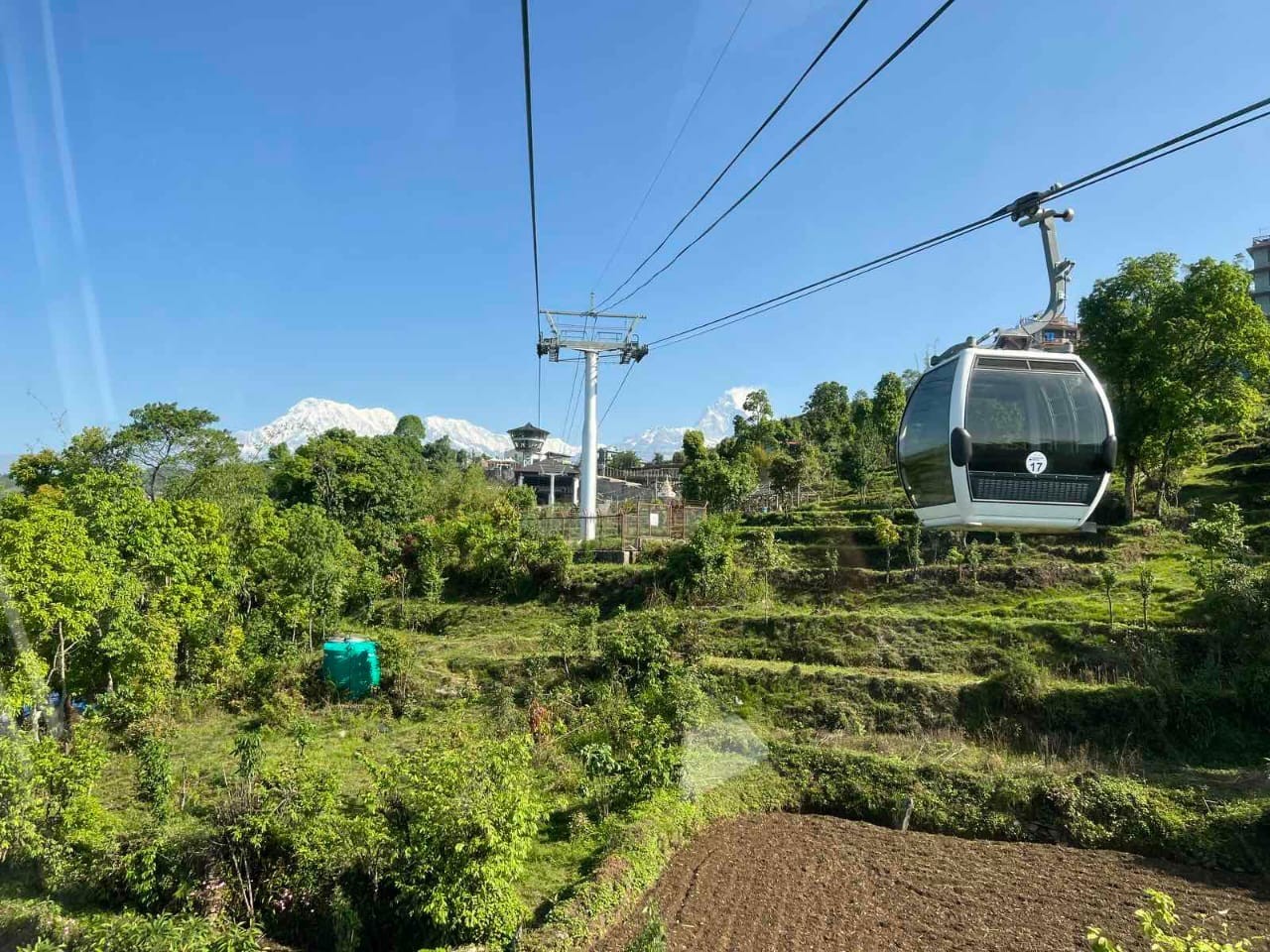
Annapurna for All: The Future of Trekking in Nepal with Cable Cars

Trekking enthusiasts worldwide have recognized the Annapurna Circuit as one of their most famous routes. Every year thousands of trekkers visit the region because it offers breathtaking Himalayan views and dramatic landscapes and diverse cultural experiences. Cable car systems have been introduced recently which now improves access to the Annapurna region.
The Classic Annapurna Circuit
The traditional length of the Annapurna Circuit varies between 160-230 kilometers based on the selected path. The trek leads people through four distinct natural environments, which include subtropical forests and terraced fields, alpine meadows, and arid high-altitude landscapes. Key highlights include:
Thorong La Pass (5,416 m)
This circuit reaches its highest elevation point here while offering one of the most exciting high-altitude hiking experiences globally.
At 5,416 meters above sea level, Thorong La Pass marks both the highest altitude and the most intense part of the Annapurna Circuit trek. The ascent to the peak begins before dawn because strong winds and unpredictable weather tend to develop later in the day. The hike proves difficult since oxygen levels drop at higher elevation yet the panoramic views from the pass justify every step of the journey. The combination of snow-covered peaks with endless mountain ridges and the feeling of absolute elevation produces an unforgettable surreal experience.
The achievement of reaching Thorong La produces both physical success and emotional satisfaction for many trekkers. The colorful prayer flags flying in front of the icy mountain backdrop represent both spiritual meaning and personal achievement for pass crossers. After the descent, trekkers are rewarded with a deep sense of accomplishment, having conquered one of the world’s highest and most thrilling mountain passes.
Manang and Mustang regions: Culturally rich villages with Tibetan influence.
Trekkers find a captivating introduction to Himalayan culture in the Manang area, which exists before Thorong La. The villages here are influenced heavily by Tibetan traditions, reflected in the Buddhist monasteries, prayer wheels, and chortens that line the trails. People who trek there typically dedicate additional days to Manang for proper acclimation before visiting the ancient monasteries and observing yak herding practices while studying the traditional Gurung and Tibetan customs.

The western Mustang region presents trekkers with contrasting landscapes of dry valleys and colorful cliffs and hidden caves. The “Last Forbidden Kingdom” title belongs to Mustang because its Tibetan Buddhist heritage alongside its architectural uniqueness and traditional ways remain untouched by modern development. The trekking regions of Manang and Mustang present visitors with breathtaking natural beauty alongside authentic cultural experiences that showcase high Himalayan traditions.
Natural hot springs in Tatopani: Perfect for relaxation after days of trekking.
The natural hot springs of Tatopani provide trekkers with relaxing thermal baths that serve as perfect recovery after long days of hiking. Tourists who visit the hot springs of Tatopani find comfort in its mineral-rich waters while taking in the beautiful views of traditional villages and surrounding hills. The mineral content in the water possesses healing qualities that help people feel better from muscle soreness and joint pain and enhance blood circulation.

Tatopani village provides visitors with more than thermal baths because it serves as an excellent location to observe the genuine hospitality shown by local people. Spending a tranquil evening in this village after enduring extended mountain treks through difficult pathways allows trekkers to find physical comfort in the warm pools and achieve mental relaxation under the night sky before continuing their journey.
Poon Hill: Famous for sunrise views over the Annapurna ranges.
People from all over the world visit Poon Hill which stands at 3,210 meters above sea level. A large number of trekkers reach the summit before dawn to experience the breathtaking sunrise that lights up the Himalayan peaks. The first rays of sunlight touching the snow-covered peaks of Annapurna, Dhaulagiri, Machhapuchhre (Fishtail), and Nilgiri produce a stunning display of colors that creates one of the most memorable photographic moments during the trek.
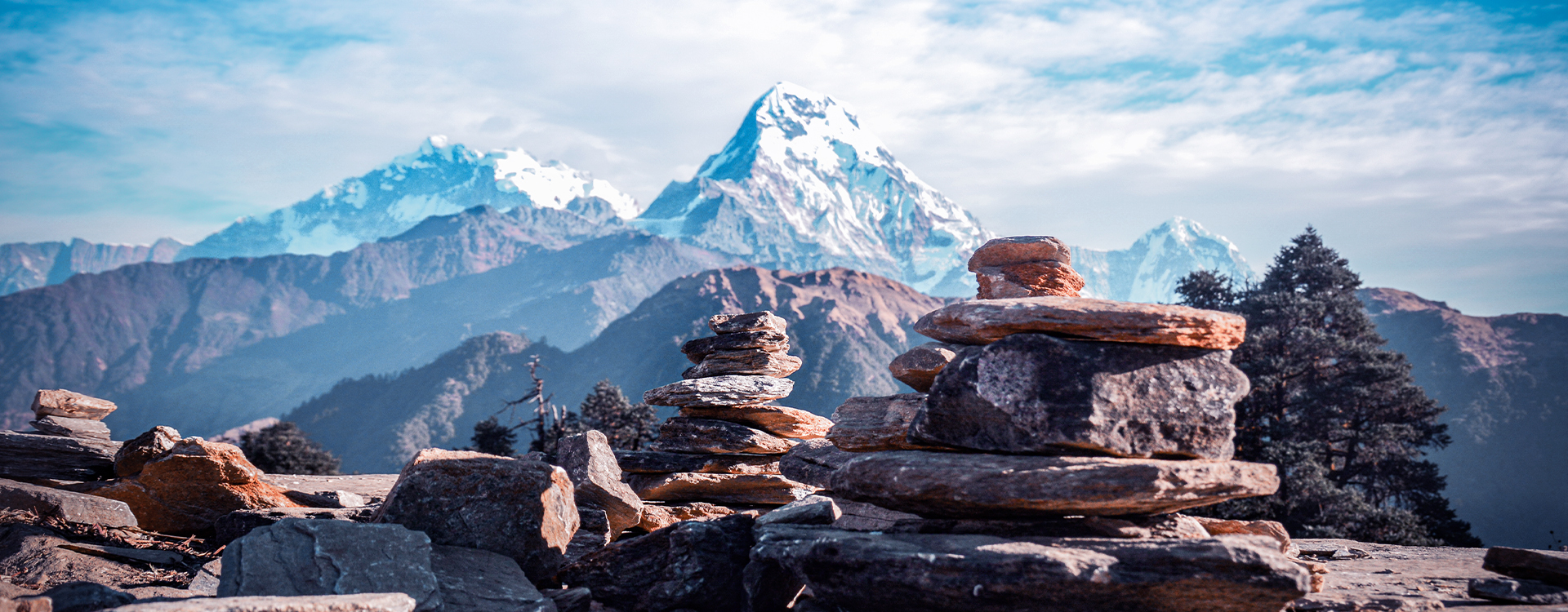
Poon Hill provides exceptional views of several Himalayan ranges, which makes it a trekking highlight for all visitors, including those with brief treks. The easy path leading to Poon Hill welcomes trekkers from different fitness backgrounds so families and new adventurers choose it as their preferred destination. Poon Hill becomes more enchanting because of the colorful rhododendron forests and the welcoming Gurung villages that visitors encounter during their journey.
This trek requires between 14 and 21 days to complete based on individual speed and altitude adjustment needs.
The New Cable Car Attraction
The cable car system operating in the Annapurna region now serves as a transformative development for numerous visitors. The system provides multiple advantages that do not eliminate the trekking journey:
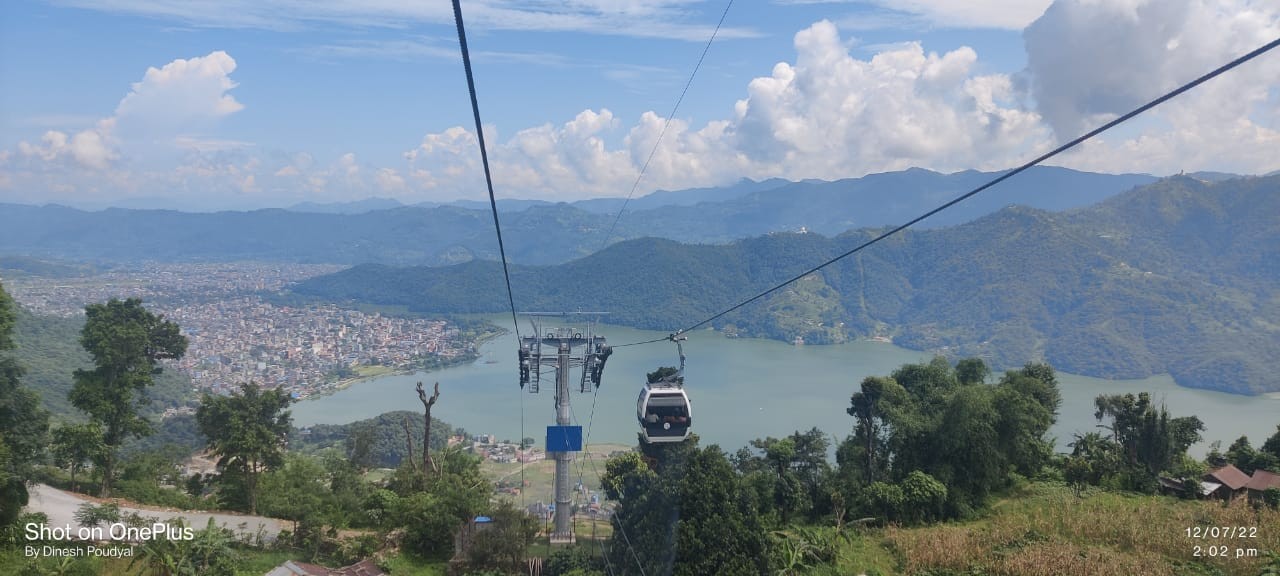
1. Accessibility for All by Cable Car
The new cable car system in the Annapurna region enables more visitors to experience the breathtaking mountain views that were previously limited to trekkers. The physically demanding multi-day treks prevented many people, including those who were older or had health issues or short vacation periods from seeing the spectacular beauty of the Annapurna ranges. Tourists can now reach scenic viewpoints by using the cable car, which eliminates the need for physical effort.
The improved accessibility enables family groups, senior tourists, and people who have disabilities to see views which only experienced trekkers could access before. The cable car provides visitors with a comfortable and safe, and efficient method to experience the Annapurna landscapes, which results in making the region accessible to various types of visitors. The expanded access to natural beauty allows more people worldwide to experience the wonders of Nepal.
2. Boost to Local Economy
The cable car functions as an economic stimulus that produces fresh business opportunities for communities throughout the Annapurna region. The increased number of visitors accessing the cable car has generated higher demand for local villages to provide accommodations, restaurants, souvenir shops, and guide services. Local people who previously depended on farming and trekking businesses now generate reliable income through year-round tourism activities.
The cable car extends tourism advantages to remote locations which would otherwise receive minimal visitor attention. Local communities benefit from new work possibilities in both cable car operations and maintenance alongside hospitality and cultural tourism development, which stabilizes their income streams. The increased economic activity from local residents creates advantages for both individual families and the entire regional development process.
3. Sustainable Tourism
Sustainable tourism has emerged as an essential concern for protecting the delicate mountain environment of the Annapurna region. The cable car system establishes environmental preservation benefits through proper management of its operations. The cable car system provides a substitute to long vehicle journeys through narrow mountain roads, thus protecting the environment from soil erosion and alpine terrain damage caused by heavy traffic while reducing dust pollution.
The use of fewer vehicles on the roads produces three main benefits: lower carbon emissions, decreased fuel consumption, and diminished chance of landslides, which result from road construction or excessive use. The implementation of a single cable car route allows better visitor control and sustainable tourism measures through centralized access management. The correct policies established for the cable car system enable it to provide economic development opportunities while safeguarding the natural beauty of Annapurna for future visitors.
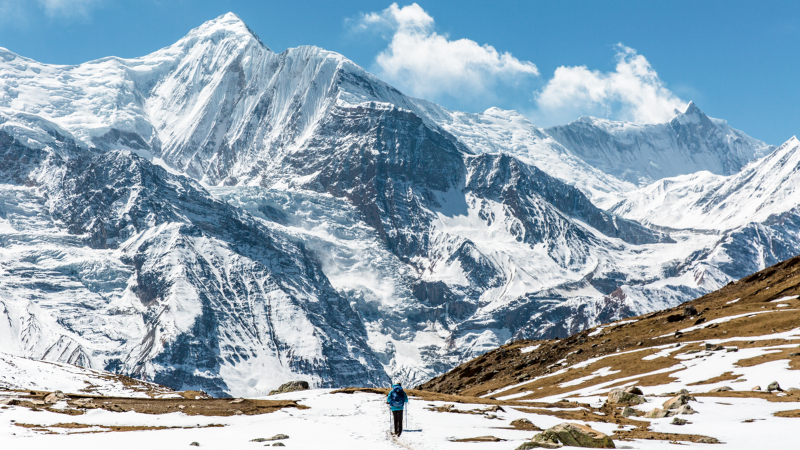
The current cable car projects most discussed include the following:
Sarangkot (near Pokhara):
Sarangkot stands as one of the most visited panoramic locations which you can find near Pokhara in Nepal. The location sits above sea level at 1,600 meters on a ridge that presents a spectacular view of the Annapurna mountain range, including Annapurna I and Annapurna South along with Machhapuchhre (Fishtail) and Dhaulagiri. Visitors who go to this spot during clear mornings have the chance to experience a breathtaking sunrise when sunlight first touches the snow-covered peaks, forming an enchanting show. Sarangkot presents magnificent mountain scenery while showing extensive views of all Pokhara Valley together with Phewa Lake and tranquil rural areas that contain villages and terraced agricultural fields. The location remains easy to reach from Pokhara, thus making it a popular destination among visitors and local people.

Potential Future Plans in Manang and Mustang Regions:
The Manang and Mustang regions, which contain valuable natural beauty and cultural heritage remain under consideration for cable car route expansion through ongoing discussions and feasibility studies. The initiative seeks to provide improved access to tourists who lack the ability to complete demanding treks but wish to view the beautiful Himalayan landscape. The development planners are maintaining strict conservation protocols while they advance tourism growth. The implementation of cable car projects through proper management would decrease the usage of fragile trekking paths and cut down on rough mountain road traffic and protect delicate ecosystems while supporting local economic development. The successful implementation of these projects could both expand tourism possibilities and maintain the untouched nature of these high mountain areas.
Combining Trekking with Cable Car Rides
Most travelers who seek adventure and convenience find the combination of traditional trekking with modern cable car rides to be an ideal balance between adventure and comfort. Visitors have the choice to hike specific trail portions while using cable cars to skip sections that present time constraints or physical challenges. The method enables people with different fitness abilities or time restrictions to experience the breathtaking scenery.
Starting your trek at Besi Sahar, you can make your way to Manang through cultural villages before experiencing the mountain scenery and monasteries on the route. The development of cable car routes in this area would provide trekkers with the option to use a cable car to bypass demanding high-altitude climbs, especially the steep sections that lead to Thorong La Pass. The journey would become more accessible for everyone while preserving the authentic trekking experience.
Once your trek comes to an end, you have the opportunity to continue your adventure by visiting Pokhara. The Sarangkot cable car delivers its final reward through panoramic views of the Annapurna range along with Pokhara Valley and Phewa Lake, which create a perfect ending for your Himalayan journey.
Why Cable Car Matters for 2025 and Beyond
Nepal’s ongoing tourism infrastructure development creates new opportunities for people to experience adventure while maintaining accessibility to attract more visitors. The Annapurna Circuit that started as challenging long-distance treks, now transforms into a multi-experience destination through its trekking routes and cable car options.
- The traditional routes remain available for Adventure Seekers who want to experience complete Himalayan trekking through diverse landscapes and remote villages, and high mountain passes.
- The development of cable cars enables visitors with time limitations or trekking limitations to reach some of the region’s best viewpoints, which provide breathtaking mountain views without requiring long or difficult hikes.
- The installation of cable cars allows families and travelers to experience Nepalese mountain beauty by providing an alternative to trekking that they cannot manage physically.
- The inclusive strategy enables the Annapurna region to expand its visitor base while protecting its natural and cultural heritage for future generations.
Practical Tips for Your Annapurna Cable Car Adventure
The best time to visit: Spring (March-May) and Autumn (September-November) provide the greatest weather conditions and visibility.
Permits required: TIMS Card and Annapurna Conservation Area Permit (ACAP).
Preparation: Even with cable cars, proper acclimatization and fitness are important if you’re trekking high-altitude sections.
Local guides: Consider hiring local guides for a richer cultural experience and safety.
Final Thoughts
The Annapurna Circuit stands as one of the leading trekking destinations around the globe. The introduction of cable cars in Nepal demonstrates their commitment to modernization alongside their dedication to protect their natural and cultural assets. The Annapurna region now has expanded opportunities for visitors to experience its breathtaking landscapes regardless of their trekking experience.
Start planning your Annapurna Circuit and cable car adventure today to see how traditional elements and modern conveniences coexist perfectly in Nepal’s Himalayan region. Contact us today at Happy Mountain Nepal, on Facebook, Instagram, or TikTok .