


Food tour in Kathmandu
At first, I thought that when I arrived in Kathmandu, I would see temples and the Himalayas. Then one morning, I found myself on a food walk through the paths of the city, and suddenly the city was not only looking but smelling and tasting, too. Really, the more I tasted and walked, the more it smelled of spices and frying dough.
We stopped first at a little tea shop in Asan Bazaar. The shop owner poured us steaming hot Nepali chiya made with milk, sugar, and cardamom with delicious enthusiasm, and I stood slowly sipping and watching the strikingly busy morning market- shopkeepers yelling, buyers bargaining, piles of colourful veggies and spices bursting with colour.
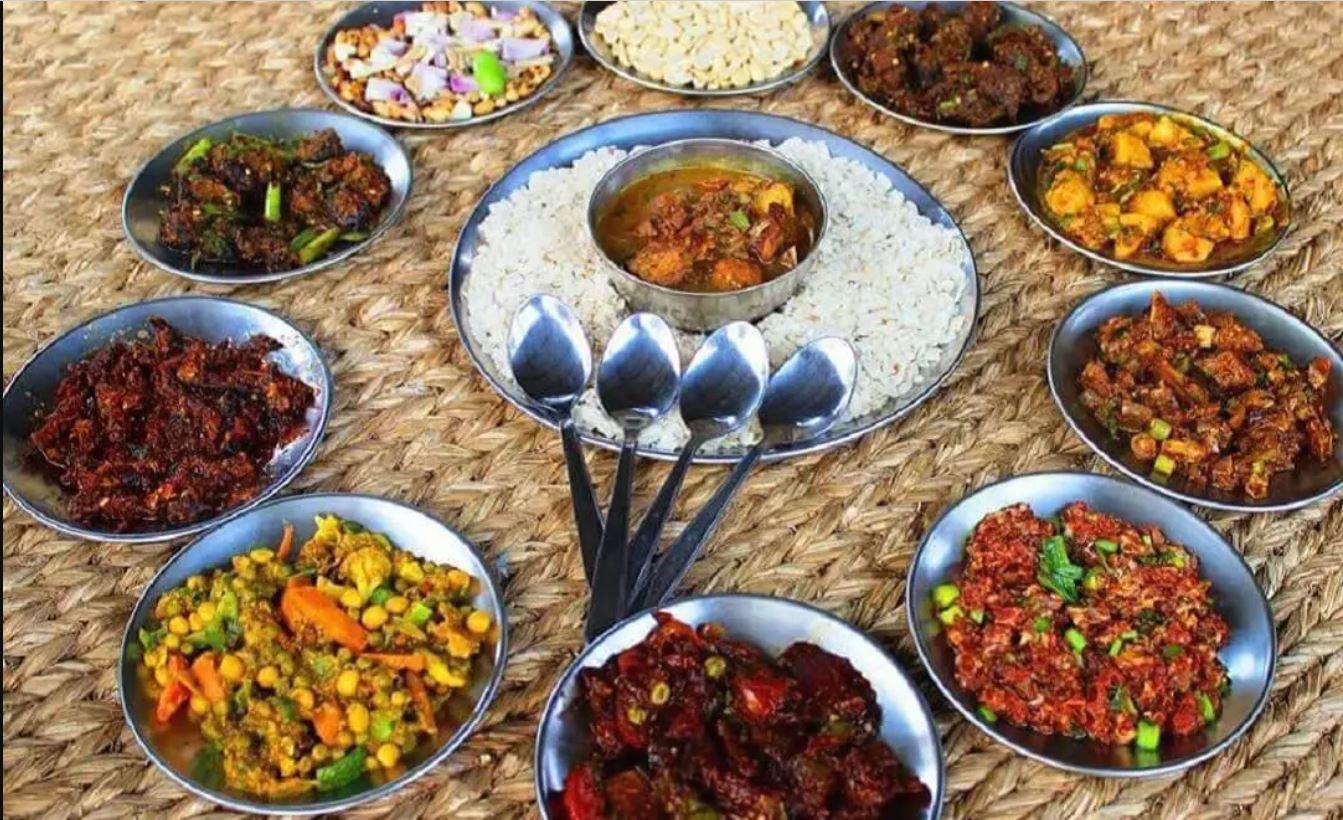
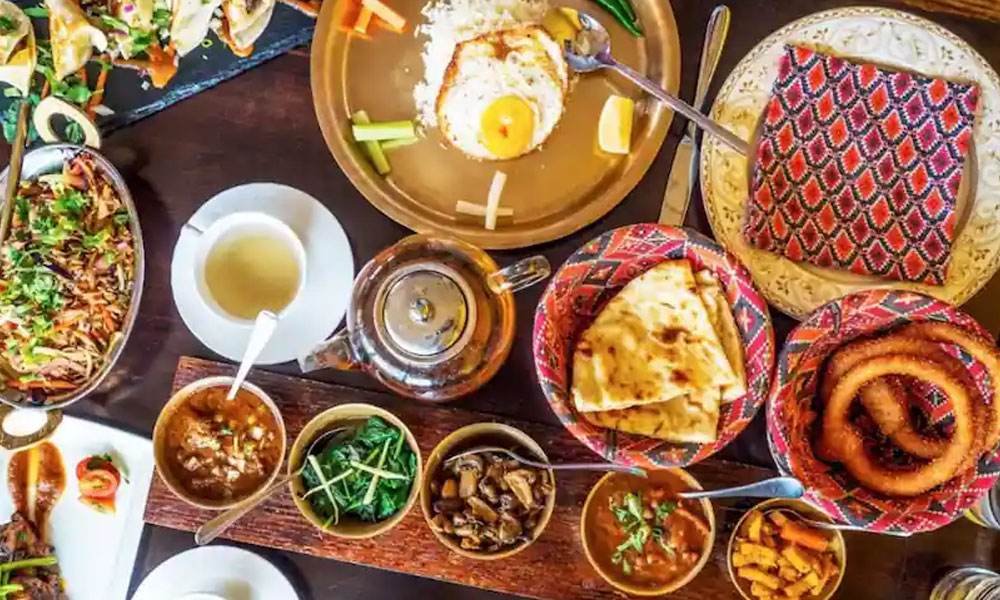
Next, we tried sel roti. The famous Nepali rice doughnut, crispy on the outside, and soft on the inside with achar that had a spice from chilis and ginger. Eating a warm sel roti right out of the pan in Kathmandu felt like being able to access home, even in a new city. Moreover, it never would have thought that a street food could give that kind of comfort.
The further we walked into Thamel, the more I could smell Momo steam rising from the roadside stalls. Our guide did insist, first, on trying the buff momo along with the vegetable. I am not sure whether eating barely cooled, dumplings dripping in tomato chutney so passionate it felt like they were making my eyes water was an approval of buff momo, but I could not stop. Each bite was the perfect combination of soft dough, some juicy fat or filling, and some spice (it was a chewy, delicious restaurant).
One unexpected surprise was the yomari, a Newari delicacy filled with sweet molasses and sesame inside a fig-shaped dumpling. Standing under strings of colorful prayer flags, biting into it. And having the steaming inner molasses ooze out was like knowing Kathmandu had its own heartbeat. Multi-layered, warm, and inclusive of their traditional meaning.
While I had eaten enough, I had eaten enough. But not only did I feel my body full, I felt the streets depicted the city surrounding me differently. In conclusion, the food of Kathmandu was telling a story about the people, their lives and histories. And the celebrations of the people of Nepal. Additionally, it dawned on me, while we once again canvassed the crowded streets. That this tour was not the act of eating dishes, it was to eat Kathmandu.