
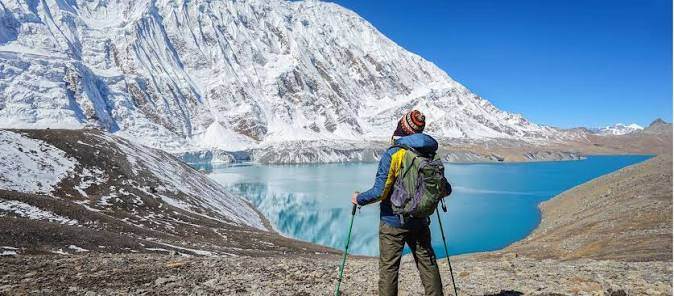
Tilicho Lake Trek Difficulty: How Difficult Is the Journey to One of the World's Highest Lakes?
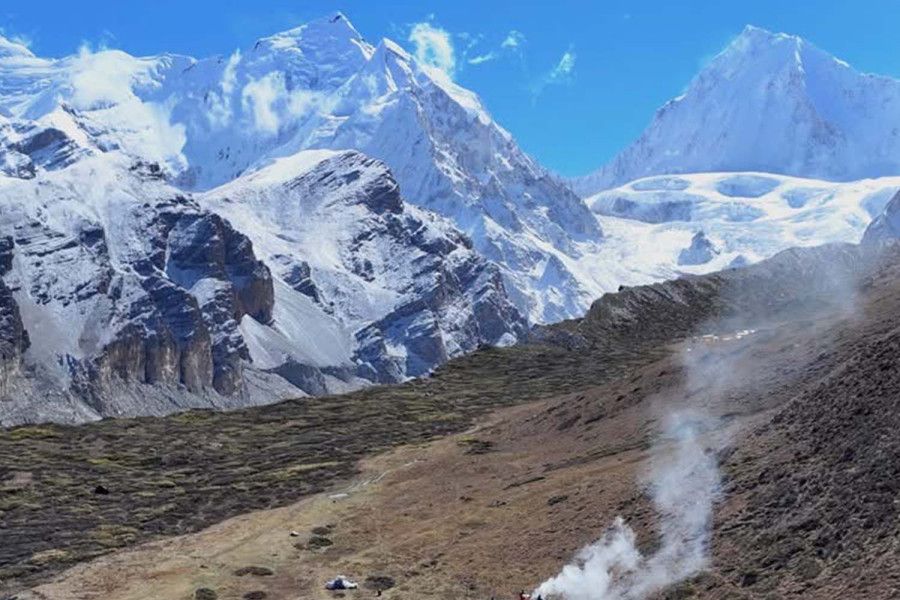
Tilicho Lake is one of the most beautiful and special lakes at a high elevation in Nepal. The lake is situated in the Annapurna region above 4,919 meters, which offers visitors breathtaking scenery and stunning mountain views coupled with the serene Himalayan ambiance.
But getting to this beautiful place is not a simple undertaking as it may appear in photos. The trek to Tilicho Lake is of moderate to strenuous difficulty due to its elevation, steepness, and the elements and the arduous walk on the trails.
People often ask if they have previous trekking experience, what their level of fitness should be and if it is possible for a beginner to trek it.
Fortunately, someone doesn't have to be an experienced climber to reach Tilicho lake. Many first-time trekkers can make it to the top of this adventure provided that they are prepared, acclimatized, have a suitable route planned, and have the right attitude!
Let's delve into the difficulty level of the Tilicho Lake trek, the key challenges you may encounter, how fit you need to be, considerations about altitude, and some useful tips to prepare for the hike.
Where Is Tilicho Lake Located?
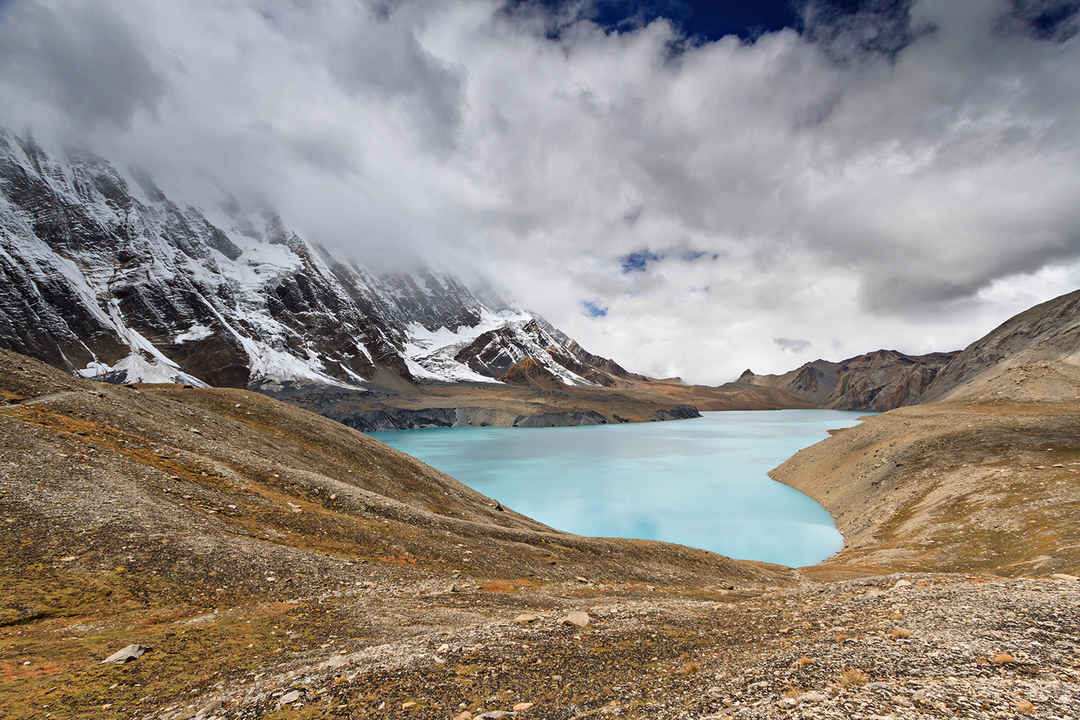
Tilicho lake is located in Manang District, Gandaki Province, Nepal in Annapurna Conservation Area. It is situated at a height of nearly 4919m and is encircled by stunning views of the Himalayas.
The lake is near the Annapurna Circuit trek. It is connected to Manang via the villages of Khangsar and Tilicho Base Camp.
It is an extraordinary ride with spectacular views of Annapurna II, Annapurna III, Gangapurna and others surrounding the mountains.
Compared to other popular trekking destinations, trekking to Tilicho Lake is an adventurous and physical trek with the trekker having to go through the remote mountain terrain.
How Difficult Is the Tilicho Lake Trek?
Tilicho Lake Trek is considered a moderately difficult to challenging hike.
The challenge is not so much from a technical point of view, but from the high elevation. There is no requirement for trekkers to have ropes, climbing gear or advanced mountaineering skills. They will need to walk for a long time, walk up hills, walk small mountain paths and be ready for the varying elements of weather.
The hike from Tilicho Base Camp to Tilicho Lake and vice versa is typically the hardest aspect.
There is a considerable rise in elevation, rocky steps, loose gravel and at times snowy/icy terrain in this section.
On the other hand, it can be physically extremely challenging for beginners. With proper preparation and a step by step activities plan, however, it can be done.
The following are the primary ones that make the Tilicho Lake trek difficult.
1. High Altitude and Risk of Altitude Sickness
One of the most difficult things on the Tilicho Lake trek is altitude.
The elevation of Tilicho Lake is around 4919 m, which is much higher than many popular trekking destinations in Nepal.
The amount of oxygen decreases as trekkers ascend to higher altitudes. This makes walking uphill, climbing up stairs, carrying backpacks and other physical activities more challenging.
Acute Mountain Sickness (AMS) can occur in some trekkers and may manifest as headache, nausea, dizziness, tiredness and difficulty with sleep.
Don't dismiss symptoms of altitude sickness. Symptoms can occur in physically fit and seasoned trekkers.
It is important to acclimatize properly. The extra time in Manang before heading up to Tilicho Base Camp gives the body time to acclimatize itself to the higher altitudes.
Trekkers should also stay hydrated, take their time and report any symptoms to their guide.
When symptoms are serious or are getting worse, it is important to go to a lower elevation.
2. Steep and Rocky Trails
The condition of the trail is another important factor which makes the Lake trek difficult.
Manang to Khangsar to Tilicho Base Camp is a combination of gentle uphill slopes, rocky terrain, narrow trails and steep inclines.
The walk is quite strenuous, especially towards the Tilicho Base Camp.
Areas of landslide prone slopes are encountered in some sections, loose rocks and uneven ground means careful walking.
Slow down and do not rush whilst crossing the narrow sections, trekkers.
A good pair of trekking shoes with good grip are highly recommended as these shoes will provide stability and will minimize sliding.

3. The Challenging Hike from Tilicho Base Camp to the Lake
The trail from Base Camp of Tilicho to Tilicho Lake is regarded as the toughest one.
Early morning is recommended as the weather can rapidly change at higher elevations.
The trail is steep and climbs slowly towards the lake, so walkers must be careful and proceed slowly.
This may require several hours when walking with the weather, depending on the person's walking speed.
Even seasoned trekkers could find themselves walking slower at this elevation due to the availability of less oxygen.
The last part of the trail provides breathtaking views of the surrounding mountains and beautiful blue waters of the lake Tilicho.
The ascent may be tiring but once you arrive at the lake it's one of the best moments of the hike.
4. Weather and Temperature Conditions
Weather on the Mountain can be unpredictable, particularly at higher elevations.
Temperatures around the Tilicho Lake can get very cold especially in the worst season for trekking.Even in the best season for trekking, the temperatures around the Tilicho Lake can be very cold.
The trip may be harder in the event of strong winds, unexpected snowfalls, rain or overcast skies.
In the winter, the sections of the trail may be covered by snow and ice, which can make them slippery.
Warm clothes, waterproof jackets, gloves, thermal layers and appropriate trekking gear should be brought.
It's also important to investigate the weather before going on a hike to the lake.
5. Long Walking Hours and Physical Endurance
Tilicho Lake trek is a physically demanding trek.
On average, the walkers cover 4-7 hours a day on each trip, depending on the itinerary. There may be longer days in some treks, especially when going to and from the lake and back to base camp.
High altitudes use more energy than normal trails when walking uphill.
Wear a sturdy pair of shoes, and be ready for walking, climbing uphills and rough mountain surfaces.
Frequent training prior to the march could mean the difference in terms of overall performance.
Is Tilicho Lake Trek Suitable for Beginners?
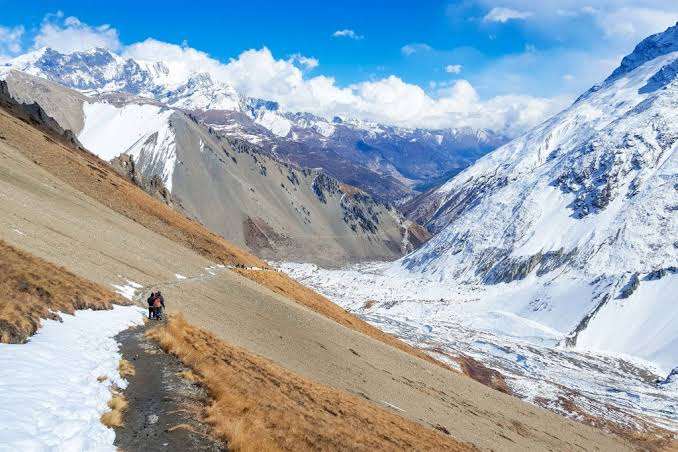
Tilicho Lake trek is feasible for beginners with reasonable physical fitness and a well-planned hike.
Some sort of past trek experience is beneficial but not required.
But for beginners, it's not a walk of the easy kind. It is a challenging terrain and weather, and preparation and patience are required.
For those who are new to trekking, here are some suggestions:
- Plan a route that will enable adequate acclimatization.
- Do not hurry on the path of trekking.
- Walk at a comfortable pace.
- Bring important warm clothes and hiking gear.
- If you're not sure, hire a local expert guide.
- Avoid altitude sickness by knowing its symptoms.
- Listen to your body and take sufficient rest.
It's much safer and fun to plan a trip with enough days allotted for it, than to rush and try to do everything in a few.
How Fit Do You Need to Be for the Tilicho Lake Trek?
Anyone can do the Tilicho Lake trek without having to be an athlete. But, a decent cardiovascular fitness, strength in the legs and endurance are crucial.
A trekking party should start planning at least 6 to 8 weeks prior to the trek.
There are some exercises that can be helpful:
Walking and Hiking: Regular walking can make one stiffer and fitter. Walk progressively over a shorter distance and then slowly build up the time.
Stair Climbing: Climbing stairs will build strength in the legs and help to prepare the body for steep mountain trails.
Cycling: Cardio endurance and strengthening of leg muscles.
Squats and Lunges: These will build strength in the legs and prepare for uphill and downhill walking.
Cardiovascular Training: Jogging, swimming, brisk walking, etc., increases general endurance.
Also practice walking with a light backpack so you can get used to carrying your trekking gear.
Tilicho Lake Trek Difficulty Compared to Other Popular Treks in Nepal
Trekkers often compare Tilicho Lake with other popular trekking destinations in Nepal to understand its difficulty level.
Here is a general comparison:
| Trekking Destination | Highest Elevation | General Difficulty |
| Ghorepani Poon Hill | 3,210 m | Easy to Moderate |
| Langtang Valley | 4,984 m | Moderate |
| Annapurna Base Camp | 4,130 m | Moderate |
| Everest Base Camp | 5,364 m | Moderate to Challenging |
| Tilicho Lake | 4,919 m | Moderate to Challenging |
| Annapurna Circuit | 5,416 m (Thorong La Pass) | Challenging |
The actual difficulty depends on the itinerary, weather, individual fitness, and acclimatization.
Although Tilicho Lake is lower than Everest Base Camp, some sections of its trail are particularly challenging because of steep terrain and high-altitude conditions.
Best Time to Trek to Tilicho Lake
Choosing the right season can make a significant difference in the overall difficulty of the trek.
The two most popular trekking seasons are spring and autumn.
Spring (March to May)
Spring is one of the best seasons for the Tilicho Lake trek. The weather is generally favourable, mountain views are beautiful, and temperatures gradually become warmer.
The trails become more comfortable for walking, although snowfall may still affect higher sections during early spring.
Autumn (September to November)
Autumn is another excellent season for visiting Tilicho Lake.
Following the monsoon, the skies generally become clearer, offering spectacular mountain views.
The weather is usually stable, making it a popular time for trekkers exploring the Annapurna region.
Winter (December to February)
Winter trekking is more challenging because of freezing temperatures, snowfall, and potentially icy trails.
Access to Tilicho Lake may become difficult depending on weather and trail conditions.

Monsoon (June to August)
The monsoon season brings rainfall, slippery trails, cloudy weather, and increased landslide risks.
Although the Manang region lies in a relative rain shadow, conditions along the route can still be unpredictable.
For a more comfortable experience, spring and autumn are generally recommended.
Essential Packing List for Tilicho Lake Trek
Packing the right equipment can make the journey safer and more comfortable.
Since the trek involves high-altitude walking and cold temperatures, trekkers should prepare carefully.
Some essential items include:
Clothing
- Thermal innerwear
- Fleece jacket
- Down jacket
- Waterproof and windproof jacket
- Trekking trousers
- Warm gloves
- Woollen socks
- Warm hat and sun hat
Footwear
- Comfortable trekking boots with good grip
- Comfortable camp shoes
- Extra pairs of trekking socks
Trekking Equipment
- Trekking poles
- Backpack
- Sleeping bag suitable for expected temperatures
- Headlamp
- Sunglasses
- Water bottle
Personal Essentials
- Sunscreen
- Lip balm
- Personal toiletries
- Basic first-aid kit
- Personal medication
- Water purification tablets
Important Documents
- Passport or identification
- Required trekking permits
- Travel insurance covering high-altitude trekking and emergency evacuation
Packing light while carrying all necessary essentials is important for maintaining comfort during the trek.
Tips to Make the Tilicho Lake Trek Easier
Although the Tilicho Lake trek is challenging, proper preparation can make the experience more manageable.
Walk slowly with consistent step:
The biggest trekking blunder is going too fast, particularly up hill! Run at a steady pace and rest as needed.
- Give adequate adaptation time:
Avoid running uphill. Take appropriate time to acclimatize in Manang before heading towards Tilicho Base Camp.
- Stay Hydrated
Be sure to drink plenty of water during the day. Staying properly hydrated is important for the body at high altitudes.
- Get up early in the morning.
Doing this early means the more difficult parts are done before setting up for the day with unpredictable afternoon conditions.
- Recruit an experienced guide.
The following points will be of assistance with an experienced guide: route navigation, awareness of weather, and altitude management, and local information.
- Plan to Keep your Cool
Exercise regularly (walk, hike, cardio etc.) to build up your stamina and make the walk easier.
- Don't Delay the Treatment of Altitude Sickness Symptoms
Always put safety before getting to your destination. If you experience any symptoms of altitude sickness, advise your guide and seek medical advice accordingly.
Is Tilicho Lake Trek Worth the Difficulty?
Absolutely!
However, the physical difficulty of the hike does not diminish the spectacular trek up to Tilicho Lake in the Annapurna region.
It leads the trekkers through the traditional villages of the Himalayas, the impressive scenery, rocky valleys, and natural quiet places.
Once you arrive at Tilicho Lake and see the stunning turquoise water amidst towering snow clad mountains, you cannot put into words the moment.
For a lot of trekkers, it is not just a matter of getting to a place. It’s about experiencing the thrill of the journey, immersing oneself in local culture, pushing one's own limits, and exploring the beauty of the Himalayas.
It takes a lot of work to get there but it's well worth it when you finally reach the lake.
Conclusion
The Tilicho Lake hike offers a natural beauty, physical challenge, and an unforgettable experience in the mountains.
While climbing to these heights demands stamina, proper acclimatization and preparation, it is not an activity that requires professional expertise.
If you're an experienced trekker or someone just starting out, knowing the difficulty level of the Tilicho Lake trek is crucial for preparing for a safe and enjoyable experience.
The important thing is to take it easy, enjoy the environment and never put yourself at risk in order to get to your goal.
Happy Mountain Nepal can assist you with planning your trekking adventure in the Himalayas with seasoned local guides and well-structured itineraries, if you are considering visiting one of the most beautiful places in the Annapurna region, namely Tilicho Lake.
It's time to go to the mountains. Come with a sense of preparation, responsibility and make your trip to tilicho lake an unforgettable one.
FAQs
- Is Tilicho Lake an easy hike?
Yes, The trail to Tilicho Lake is moderately difficult or challenging due to its high elevation, steep inclines, rocks and variable weather conditions. But it can be done if it is done right and acclimatized.
- Is Tilicho Lake Trek an accessible route for those who are new to trekking in the Himalayas?
Yes,the hike is suitable for beginners who are physically fit. But they must follow a step-by-step route, build up their fitness and be aware of hazards at altitude.
- What is the duration of the trek at Tilicho lake?
This may vary according to the route and the starting point. A day trip to the lake is a regular part of the Annapurna Circuit trek. Enjoy adequate acclimatisation days and safe travel time.
- What is the maximum elevation of Tilicho lake?
At about 4,919 meters above sea level, Tilicho Lake is one of the highest lakes in the world.
- What is the best time to trek to Tilicho Lake?
No, you don't need to have done any trekking before, but it is helpful. The journey can be easier with good physical fitness and preparation, and with an experienced guide.