

Solo Travel in Nepal

If you are looking for an independent traveler’s adventure that is packed with amazing nature, grounded in heritage, and reflective and conclusive self-discovery, then perhaps Nepal awaits you. Running from China to India, Nepal is not only the home of the world’s highest mountains. It has a place of calmness, spiritual peace, warm and hospitable people, and countless cherished experiences all in a welcoming and safe environment for a solo traveler to explore.
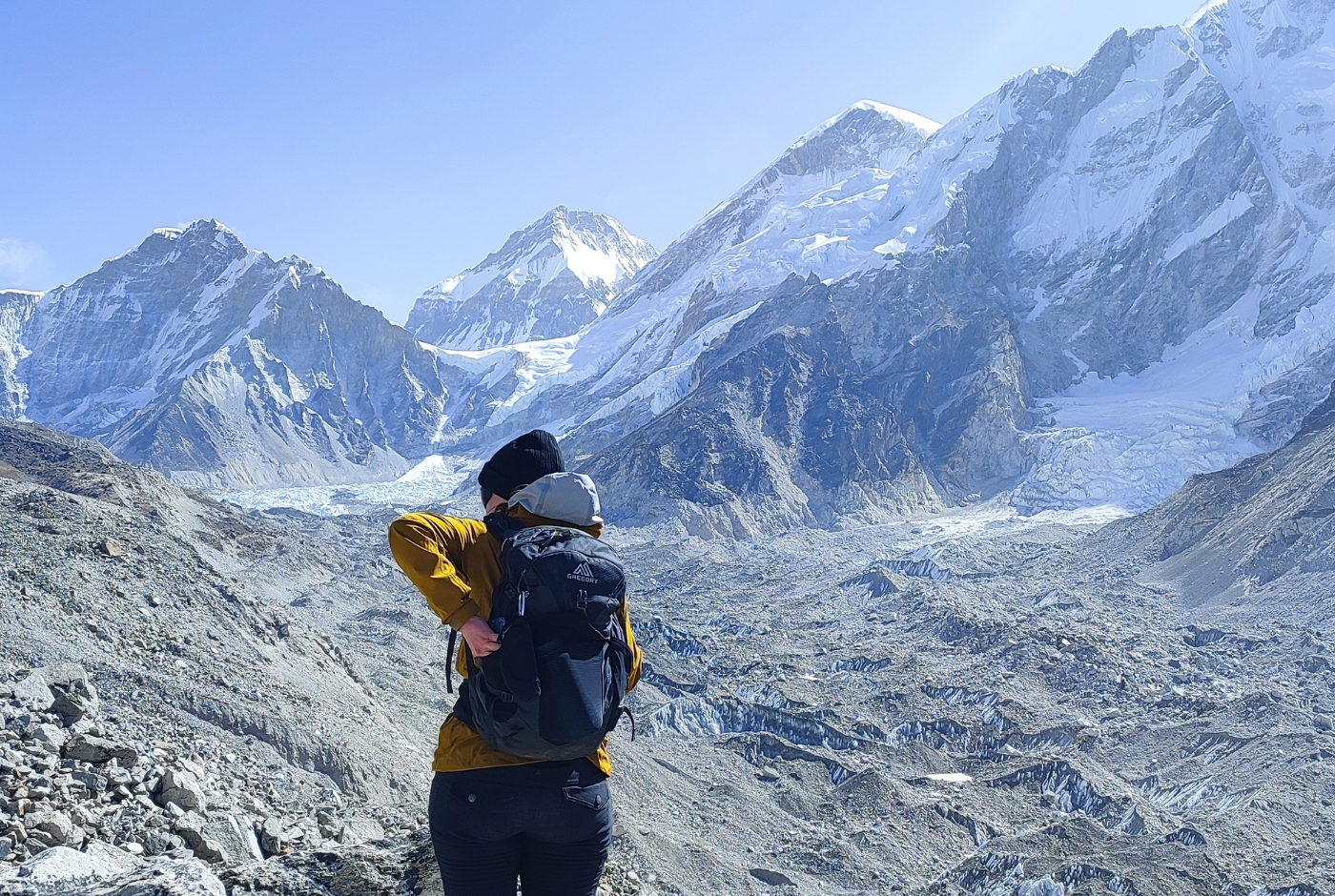
In this blog, we will explore why you will enjoy not only an experience of safe travel but also a fulfilling and life-changing experience when travelling as a solo traveler in Nepal. Whether trekking the Himalayas, learning to meditate in old monasteries, exploring ancient cities and temples, or embarking upon your own solo experience in Nepal, every solo adventure in Nepal is special and unique!!
Why is Nepal a good country for a solo traveler?
There are many reasons why it is a great Country for a solo traveler, but there is a fabulous combination of love and safety for an independent traveler:
1. Low Crime Rate Against Travelers
Compared to other travel destinations, Nepal has a relatively low crime rate in general, and particularly for travelers. Violent crime against travelers is very rare, and petty theft against travelers is certainly less common than in other countries. The police and the local people will also take care of the tourists, especially solo travelers so you will never be nervous at any time, whether walking the streets of Kathmandu or in a village at altitude. This means that Nepal is an outstanding destination to go to solo as a first-time traveler, or to travel alone if you just want to feel secure while traveling. However, I would not recommend a solo trip to Pokhara Lake.
2. Well-Travelled and Well-Marked Trekking Routes
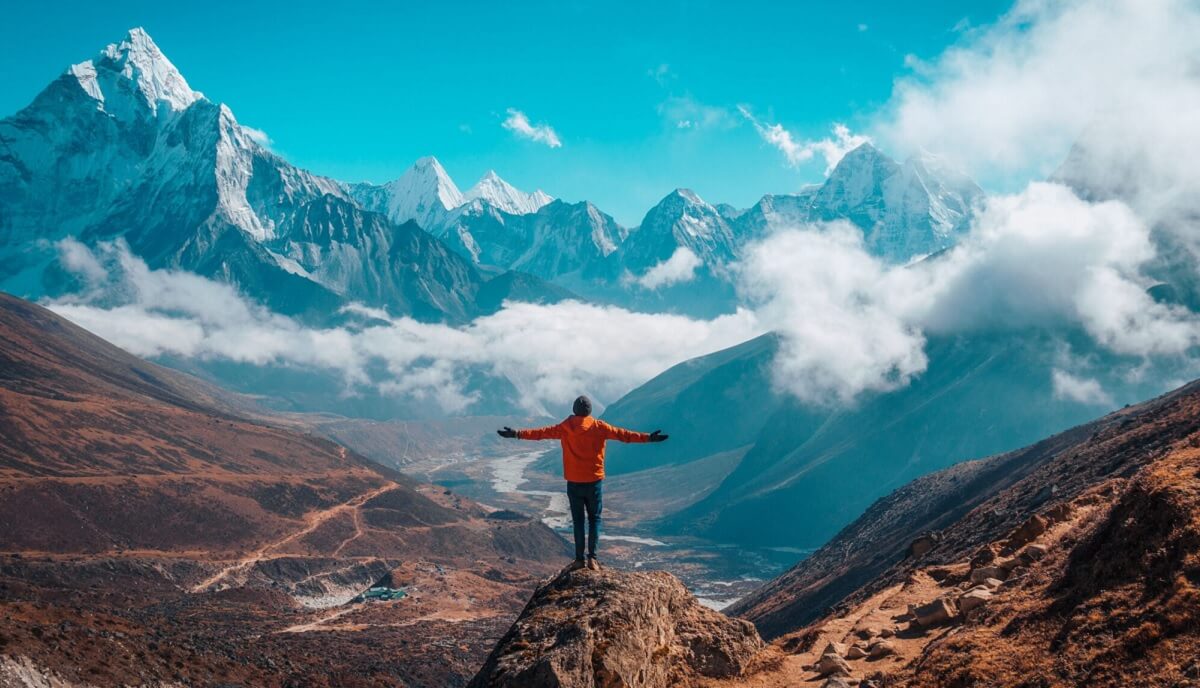
From Everest Base Camp to the Annapurna Circuit, Nepal has some of the most recognised trekking routes in the world and among the best-marked trails in the world. The views are unrivalled, and they have refined their teahouse system with guides, porters, and trekking agencies so that everything is very smooth and easy for solo travellers. You can trek alone, or join a small group, and you will always find it easy to follow some established marked path, have an excellent map, or see like-minded travellers going in the same direction as you.
3. Rich Culture and History
Independent travel never shortchanges the experience, and Nepal’s ancient tradition and culture is overflowing with experience. Nepal has it all, from the extremely ancient temples of Bhaktapur and Patan to the environment of Lumbini, the birthplace of the Lord Buddha. The rich, multi-cultural, and complicated sets of festivals, ancient culture, and religious ceremonies offer you depth, sense, and an actual worthwhile travel experience as an independent traveler.
4. Cheap Travel Costs
Nepal is another low-cost travel destination in Asia. Travelers will have the opportunity to eat in restaurants, stay in guesthouses, and travel via public transportation that will not cost nearly as much as in a Western country or even another South Asian travel destination! Therefore, solo travelers really get the best bang for their buck in a value sort of way because solo travelers will be able to spend a comparatively small amount but still participate in everything from adventure sports to cultural tours!
5. Attentive and Friendly Locals
The people of Nepal will make most solo travelers feel at ease. Since the Nepali local people are warm, welcoming, and helpful for many, every time a traveler has a question about directions, information or a nice chat, the Nepali people are willing to help travelers! Many Nepalis speak broken English, especially in touristy areas, which helps facilitate interaction and fun interaction! Like their many accusations, and good-naturedness is heartwarming and hypnotic, and a solo journey quickly turns into a heartfelt human experience.
Regardless of whether you hear the mountains calling you, peace and tranquility in ancient temples, or the playful spirit of finding yourself in a foreign land, Nepal shows you have absolutely everything a solo traveler could want for a safe, friendly, adventurous, affordable, and soulful experience!
Is Solo Travel in Nepal Safe?
Safety is a major concern for any traveler, solo or not, and rightfully so. Fortunately, Nepal is one of the safest countries for tourists when compared to many other South Asian countries, even for solo women travelers.
Trekking Safety
Nepal boasts some of the world’s most famous trekking routes such as Everest Base Camp, Annapurna circuit, and the Langtang Valley. Trekking without a guide is allowed in Nepal, but you should always consider hiring a licensed guide or even a licensed porter, especially if it is high altitude or in more remote locations. Not only for safety but for cultural experience and community whilst you are trekking.
Travel Safety Tips for Nepal
1. Don’t Walk Alone at Night, Especially in Low-Lit Areas
Nepal is relatively safe, but ideally try and not walk alone at night. It would be better to stick to well-lit areas in the tourist areas, but in quieter neighborhoods you can be vulnerable to petty theft/could become lost. Ideally, you should stick to main roads and think about returning to your accommodation before dark.
2. Keep Copies of Your Passport and Visa
Keep photocopies of your passport, visa, and any travel/tourism insurance documents on a reasonably frequent basis. Also, keep the originals safe in your hotel (with a safe if they have one). If you lose your passport, it will be easier to prove who you are if you have copies of your identification wherever you are on trek, or after being stopped by police.
3. TIMS card registration for treks
If you are hiking or trekking, be sure to get a TIMS (Trekkers’ Information Management System) card. It is a simple step that can provide authorities with a log of your route. This will help the authorities locate you in case of any natural disaster or medical emergency. This is just a great, easy precaution for any leisure or solo hikers.
4. Use registered transport
While stationed in either Kathmandu of Pokhara, always book registered taxis or use ride-sharing apps. You can also call your hotel/guesthouse to arrange transport for you, but do not hail random public transport and get in them, especially at night. This is just to prevent any scams or unsafe situations.
5. Be Careful with Food and Water
Street food can be very tempting and is part of the experience of the country you are visiting. Just make sure the food looks hot and clean. Obviously, you will not be able to drink tap water, so either carry purification tablets, make sure you have a filtration bottle, or buy bottled water that is sold sealed. This will help you to avoid stomach issues and help you to stay healthy when you travel.
Top Experiences for Solo Travelers in Nepal
Trekking is the main reason that many people harness the freedom that comes with solo travel in Nepal. You can enjoy discovering trails which are perfect for your own level of challenge while also meeting other adventurers in this relatively safe country!
1. Trekking Through the Himalayas
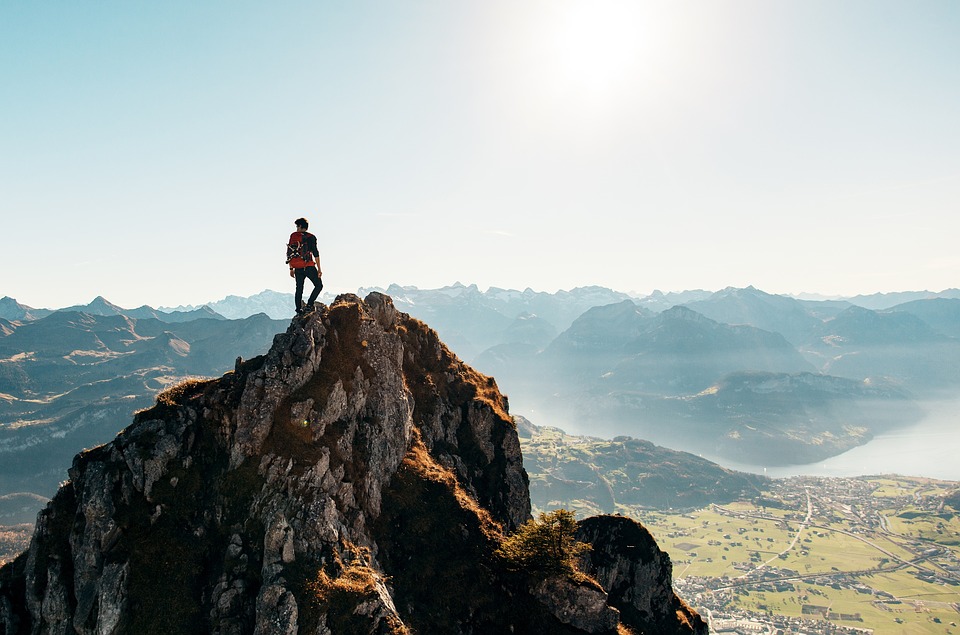
Everest Base Camp Trek is a once-in-a-lifetime spiritual, physical, life, and cultural leap. EBC is 5,364 meters (17,598 ft) high and is around the highest mass on Earth, 8,848.86 m (29,031.7 ft) mountain mass Mount Everest. With every step, there lies another step closer to a mythological mountain range, century-old monasteries, hundred-year-old villages, and a soul-trek experience that you cannot brush off your soul.
- Rhododendron and pine forest hide Lukla and Phakding villages,
- Suspension bridges spanning high above glacier-fed rivers,
- Yaks and alpine grasslands at Dingboche and Lobuche,
- Rock moraines and snow ridges on the way to Gorak Shep and EBC.
- Every bend in the trail, a new panorama, a new peak, another rest stop, and just soak it all up.
2. Annapurna Circuit
Annapurna Circuit Trek is the world’s most popular and fulfilling trekking trail that provides trekkers with the pleasure of an enchanting mingling of virgin nature, cultural heritage, and a sit-on-the-edge-of-your-seat adventure. Being at the core of the Himalayas, the trek is a trek from start to finish, whereby you would be able to observe the emerald valleys, meadows of alpine forest, and snow-white peak mountains, and also undergo the different traditions of the inhabitants. A seasoned trekker or an amateur trekker taking it through an adventure trail, there is something for all at the Annapurna Circuit.
3. Poon Hill
Poon Hill trek! This is a great and popular trek through the Annapurna region that has a perfect combination of stunning scenery, fascinating villages, vibrant local culture, and stunning mountain views over a relatively short trek time. When compared to some of Nepal’s long, arduous treks, the Poon Hill Trek (Ghorepani Ghandruk) is actually quite short.
- Usually completing in 4 to 6 days, this trek is great for;
- Novice or first-time trekkers
- Families or travellers with limited time
- Anyone wanting a great Himalayan experience that is more leisurely or easier
4. Langtang Valley
Langtang Valley Trek provides a fantastic experience of much of Nepal’s off-the-grid, probably one of the most remote places in Nepal. Leaving the Kathmandu area with its great city surrounded by rural, untouched areas, even in the stillness of it rural backgrounds, amazing high-altitude landscapes, diverse culture, and fantastic serenity of Nepal’s most established treks; hence getting the best of both worlds. For experienced trekkers and beginner trekkers, the Langtang Valley Trek will remain with you.
Langtang National Park is extremely diverse. You encounter various fauna and flora while trekking, and all of them are endangered species.
- Wildlife- Langtang National Park is inhabited by some of the wildlife, in the form of a cozy little family of animals, or at least the Himalayan tahr (mountain goat), the shy but fortunate little family of red pandas, and the Himalayan black bear.
- Flora- Flora- It is also beautiful. In addition to the rhododendron woods that you will be walking through, you’ll walk by magnolia trees, juniper, and other vegetation of the alpine variety.
- Glaciers and Icefalls- Glaciers and icefalls: When trekking down from Kyanjin Gompa, you will probably be visualizing and gazing upon sufficient glaciers and icefalls to admire nature in all of her raw beauty.
- Solo-ability- You can choose your own pace, take breaks when you want, and decide on situations and obligations spontaneously.
2. Kathmandu Valley Experiences
To describe Kathmandu as a sensory overload is a compliment; in the most positive sense. You have so many different aspects of the city: the crowded city streets, ancient temples, and artistic traditions. This city is surely unmatched.
1. Swayambhunath
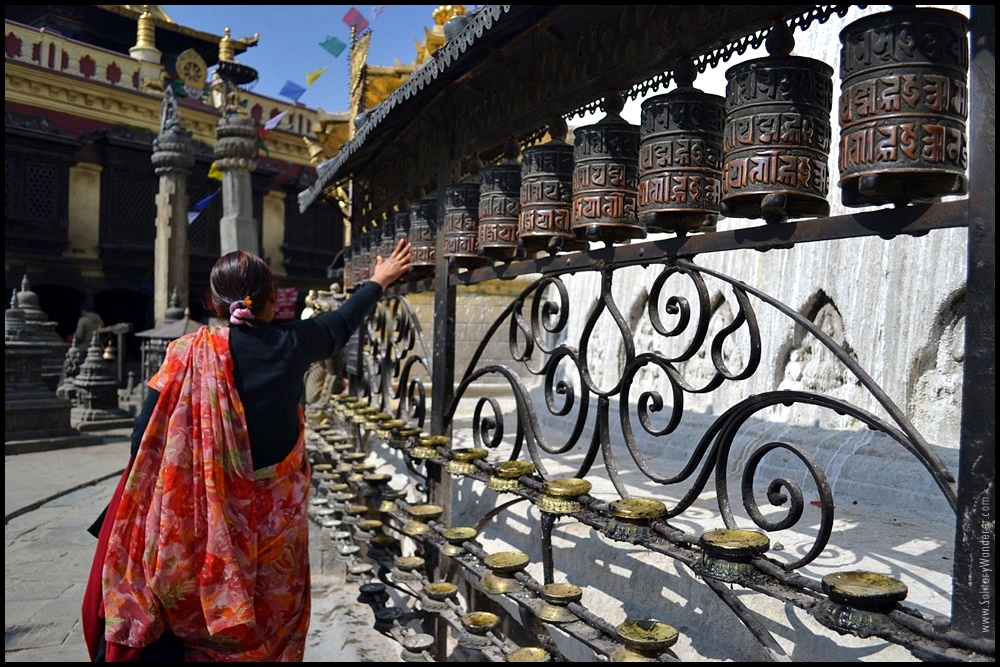
Atop a hill in the northwestern corner of Kathmandu, Nepal, is this most sacred and oldest Malla complex of Hindu and Buddhist devotion. The white middle stupa and all-seeing eyes of the Buddha and the golden finial of enlightenment represent enlightenment. Different clusters of small shrines, chaityas, and temples are scattered here and there on the grounds to represent centuries of human spirituality.
Key Highlights:
- Home of one of the earliest stupas of Nepal (over 2,000 years old)
- The all-seeing eyes of Buddha symbolize awareness.
- A perfect panoramic range of Kathmandu Valley
2. Pashupatinath Temple
With all the sanctity that has been bestowed upon it, Pashupatinath is Nepal’s most sacred Hindu temple on the river Bagmati in Kathmandu. Pashupatinath temple is Lord Shiva’s temple and a massive 500 or even larger temple, monuments, and ashrams. With a golden roof and silver gates being engineering wonders, the temple is only open to Hindus.
Key Points:
- Nepal’s most sacred Hindu temple
- A temple in which Lord Shiva is worshipped
- Open cremation is performed on the river ghats.
- Mad crowd during Maha Shivaratri
3. Boudhanath Stupa
Boudhanath is a Tibetan Buddhist sacred site complex (one of five in all of Nepal) just north of the country’s capital, Kathmandu. The stupa’s huge white dome, with a spire and Buddha’s eyes looking back at you, would put a sense of calm and mystique into any traveler. Monks and supporters walk in the opposite direction around the stupa while chanting mantras and spinning prayer wheels.
Highlights:
- Largest stupa in Nepal
- Center of Tibetan Buddhist culture
- Prayer wheels circumambulation path
- Surrounded by shops and monasteries
4. Patan and Bhaktapur
Patan Durbar Square in the central part of Lalitpur City (Formerly known as Patan) is famous for its preserved durbar complex, shrines, and temples. It was established as a learning and artistic center by the Malla kings. Bhaktapur Durbar Square is Nepal’s most preserved medieval town. 13 km from the Nepalese capital city Kathmandu, formerly a kingdom overawing the latter, stands Bhaktapur today. Emerging from such archeological splendors as the 55-Window Palace, the Golden Gate, and Vatsala Temple, cobble-road thoroughfares, buildings a hundred years old, and colorful town courtyards
Highlights:
- Krishna Mandir: constructed all of stone,
- Patan Museum: with faith paintings,
- Centre for Newar art and architecture,
- Golden Gate: finest example of repousse metalwork
- Lively community of craftspeople
Solo Perk: Get lost in the narrow streets, go for a walking tour, or sip some tea and read a fantastic book at a rooftop cafe.
3. Spiritual and Wellness Retreats
More than a place for physical adventure, Nepal is also a spiritual place and a destination for all kinds of seekers from all over the world.
1. Yoga and Meditation Retreats
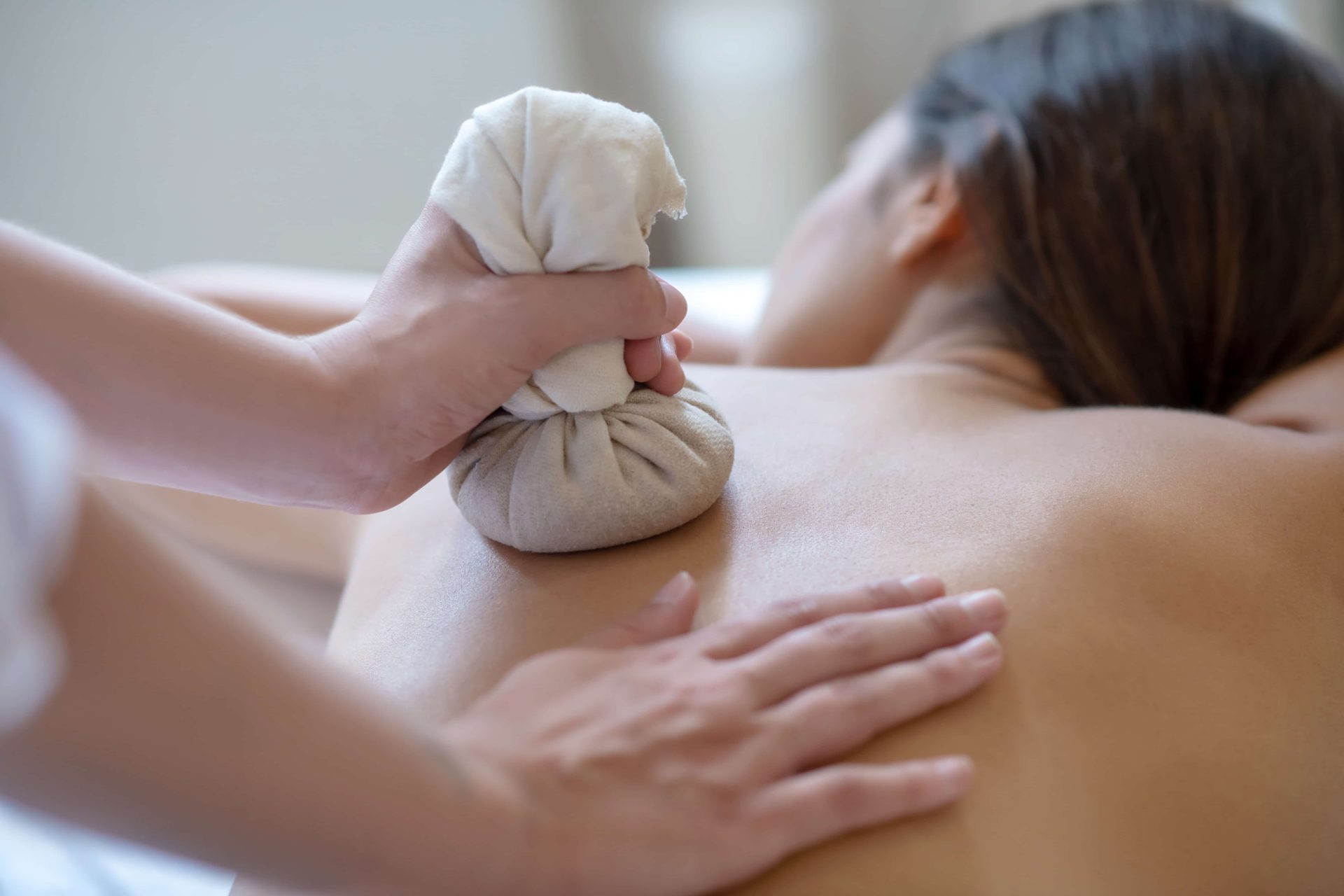
Nepal has a worldwide, noticeable reputation for yoga and meditation retreats in such places as Pokhara, Kathmandu, and of course Lumbini, the birthplace of Buddha. Many retreat programs offer schedules with various programs including different opportunities to participate in yoga asanas (postures), mindfulness and breath control practice, spiritual philosophy, or a combination of programs depending on availability. It doesn’t matter what level of experience you may have; in either yoga, meditation or mindfulness practice, the inviting atmosphere of complete tranquility allows you to disconnect from the stressors of everyday life, release, relax, pursue finding peace of mind, learn more about who you are as a person, and settle into enjoying the view of the surrounding Himalayan mountains.
2. Monastery Stays
For a truly distinct and intense spiritual experience, travelers can stay at Tibetan Buddhist monasteries (the most frequent, Kopan Monastery, is in Kathmandu and has guest accommodations). Staying at a monastery can be an opportunity of a lifetime to immerse yourself in Buddhist philosophy and teachings by the monks who have dedicated their lives to practicing there; you will also have an experience of chanting, meditation, and teachings during your stay in a tranquil setting.
Guests are permitted to participate in some of the rituals/activities of the monastery, as well as have space to themselves to reflect and be immersed in and interact with a foreign culture within a spiritual context.
3. Sound Healing and Reiki Workshops
Participation in sound healing and Reiki workshops has grown more in local hotspots of Thamel in Kathmandu and Lakeside in Pokhara. All these holistic therapies are directed towards more body energy alignment in a healthier way by therapeutic sound waves or hands-on energy healing modalities. These are done by well-qualified practitioners. The Phoenix stress relief, relaxation, and emotional healing benefits of Reiki and sound healing, and the wider spiritual and wellness terrains of Nepal, were the ideal fit.
Solo Perk: Reflect, reconnect, and restart your life, daily yoga and quiet time
4. National Parks and Animals
For independent travelers who prefer the nature experience off the mountains, jungle safaris and wildlife sightings of unusual animals in Nepal’s national parks are the draws.

1. Chitwan National Park
It is Nepal’s first national park and a UNESCO World Heritage site. If wildlife is your coffee and Chitwan’s lowlands are your cup of tea, then Chitwan is a wildlife paradise and will excite you to bits. It shelters endangered animals such as one-horned rhinoceros, Bengal tigers, Asian elephants and more than 500 bird species. Jungle safaris, boat tours, and cultural exchange with indigenous Tharu villagers will offer lots of chances to see one of South Asia’s world-famous wildlife conservation sites.
2. Bardiya National Park
If you are looking for a more out-of-the-way and authentic jungle trip, Bardiya National Park in western Nepal has the same wilderness, remoteness, and isolation as other wildlife parks in Nepal but a fraction of the tourists. You would have a better chance of seeing a Bengal tiger here and engaging with wild elephants, gharials, and swamp deer in their own wild habitat. The wilderness in Bardiya National Park is breathtaking and it provides a wonderful option for a traveler in search of an idyllic off-the-beaten-path travel experience, guided jungle trekking, river safari options, and connecting with the many biodiversity of Nepal’s wilderness.
Solo Perk: Safari travel groups are readily available and commonly consist of other single travelers.
5. Pokhara Solo Traveler’s Paradise
Pokhara is perhaps Nepal’s most laid-back and picturesque city. Framed by lakes and mountains, it’s the perfect place to relax.
- Boating at Phewa Lake
- Hike to World Peace Pagoda
- Live music and cafes in Lakeside neighborhood
- Paragliding and zip-lining for adventure-seekers
Cool Perk: There is serenity around that gives room for journaling, contemplation, and welcoming nice faces across the world.
Best time to travel in Nepal solo
Spring (March-May): Warm days, rhododendron flowers in bloom, clear mountain views.
Autumn (September-November): The peak trekking season, with crisp, clear skies and festivals.
Winter (December-February): Colder but with fewer tourists (great time for cultural travel).
Monsoon (June-August): Lush but slippery trails and rain.
Tip: If you want better weather and fewer tourists, go in early December or late February.
How to budget for solo travel in Nepal
The beauty of traveling in Nepal solo is the budget and comfort level you can achieve and still get the experience you want. Whether you’re looking for a shoestring budget or a comfortable mid-range or luxurious trip, there is some level of travel to suit every type of traveler in Nepal.
As a budget traveler, on average expect to spend about $25-$40 per day, often including accommodation in a shared room in a hostel, local food like dal bhat, and transportation on local buses. Trekking on a budget is easy in Nepal, with low-cost accommodation in teahouses, along with a low-cost trekking permit.
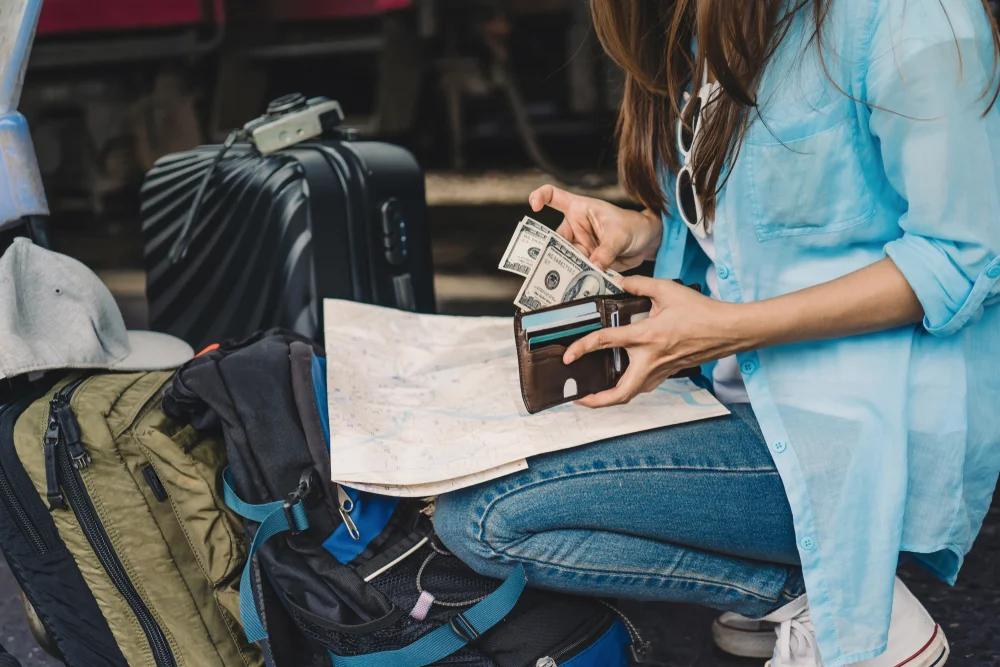
For basic travelers, budgeting $50-$100 per day means there was some room for flexibility in planning your day. You could have stayed in nice rooms at some quirky boutique hotels or guesthouses, a mix of local and Western meals, and even domestic flights to places like Pokhara or Lukla.
This budget also beat the price of renting transportation for guided day trips, or entry to cultural sites. If you decide to go luxury experience budget for at least $150 per day, which may include staying at something you might call an up-market resort, chartering a private helicopter ride into the Himalayas, hiring private guides, or eating gourmet meals.
If travelling solo, you can benefit from long-term stay discounts. Most hostels, guesthouses, and Airbnb hosts offer reduced pricing for staying for the week or the month. In addition, wherever possible, accommodations should be able to help pair solo travelers with guides, porters, or other tourists at half the expense on treks and tours. If you plan, travel in Nepal a solo traveller could be reasonably affordable and still quite rewarding travel experiences. You can get full value from every rupee spent.
Meeting People as a Solo Traveler in Nepal
One of the best parts of solo travel in Nepal is that meeting people is easy. Whether you’re hiking the mountains or traversing the busy city streets, Nepal will bring you in contact with a variety of people. Even if you arrive solo, there’s a good chance you will leave with friendships and stories created with other travelers as well as local people.
Stay in hostels and guesthouses.
Nepal’s hostels and budget guesthouses, particularly in places like Kathmandu and Pokhara or along the major trekking routes, are commonly filled with solo travelers from every corner of the world. Most of these places have a communal lounge, rooftop café, or even a group tour, which allows solo travelers to easily connect and potentially create travel buddies. It’s common for people to be communicating, organizing options, or making trek plans after a simple breakfast conversation.
Meeting People on Trekking Trails
Trekking in Nepal can be a surprisingly social thing to do. Whether you are hiking the Annapurna Circuit or heading to Everest Base Camp, you will pass through tea houses and meet fellow hikers as you travel along the trail. Most of the time, meals are served at long communal tables, and evenings at the teahouses can be filled with stories, laughter, and conversations shared over warm cups of tea. You can even meet solo travelers who ultimately walk together as small groups and rely on each other for support along the trail.
Participate in Workshops and Classes
There is a plethora of classes and workshops in Nepal to participate in that will bring people together with similar interests. You could take a course in traditional Nepali cooking, attend some yoga or meditation with a monk in a monastery, take thangka painting lessons, or participate in community handicrafts. Each of these activities provides you with a meaningful experience and leads to networking and friendships with fellow travelers or local people.
Volunteer in Local Communities
Volunteering in Nepal, whether it is at one of the NGOs, schools, or even rural health posts, is a great way to connect with local people and with other international volunteers. You will be part of a team, assisting in encouraging social change and developing a better understanding and appreciation of Nepali culture. Relationships and connections created by volunteering tend to go deeper than small talk, and leave lasting impacts on both sides.
Stay in Community Homestays
For a truly authentic and social experience, consider staying in community-run homestays in villages like Panauti, Bandipur, or the hills of Ilam. You’ll live with local families, join them for meals, and learn about their traditions and daily routines. These homestays offer not just accommodation, but heartfelt connections and cultural immersion that’s hard to find elsewhere.
In Nepal, solo travel doesn’t mean being lonely; it often opens the door to richer, more spontaneous human connections that make your journey even more unforgettable.
Advice for Traveling Females Solo in Nepal
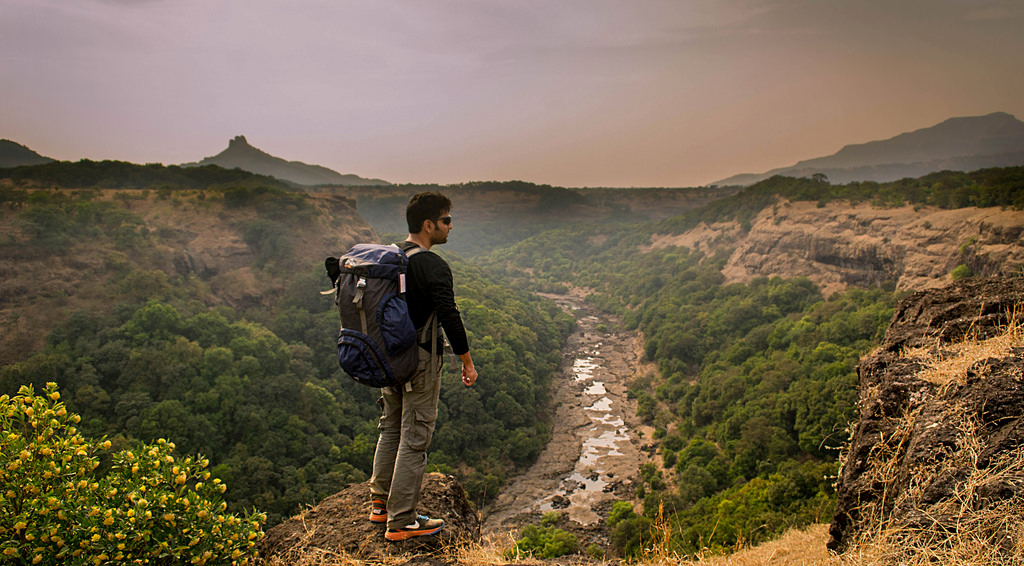
Traveling as a female solo traveler in Nepal can be safe, but it is still smart to take precautions. Here are some tips for traveling wisely:
- Dress modestly (especially in the countryside or religious places)
- Avoid isolated areas at night
- Stay in accommodations that have good reviews
- Trust your intuition and ask locals when in doubt
- Look into joining female-led trekking groups or hiring a female guide
Bonus Tips: Nepal is home to tons of women-centered travel agencies, homestays, and retreats. Many work with local women to empower the already amazing Nepali women. Giving back to them makes your trip more fulfilling.
Conclusion: Nepal Will Change You for the Better
Solo travel in Nepal isn’t just a vacation. It’s a journey of self-discovery, growth, and connection with nature, people, and yourself. You’ll come for the mountains but stay for the meaning. Whether you’re looking to disconnect from stress or reconnect with purpose, Nepal opens its heart to you.
From spiritual retreats to thrilling adventures, quiet sunrises to colorful festivals, Nepal offers an experience that is safe, rewarding, and truly life-changing. Contact us today at Happy Mountain Nepal, on Facebook, Instagram, or TikTok.