
New Permit Prices and Costs for Upper Mustang
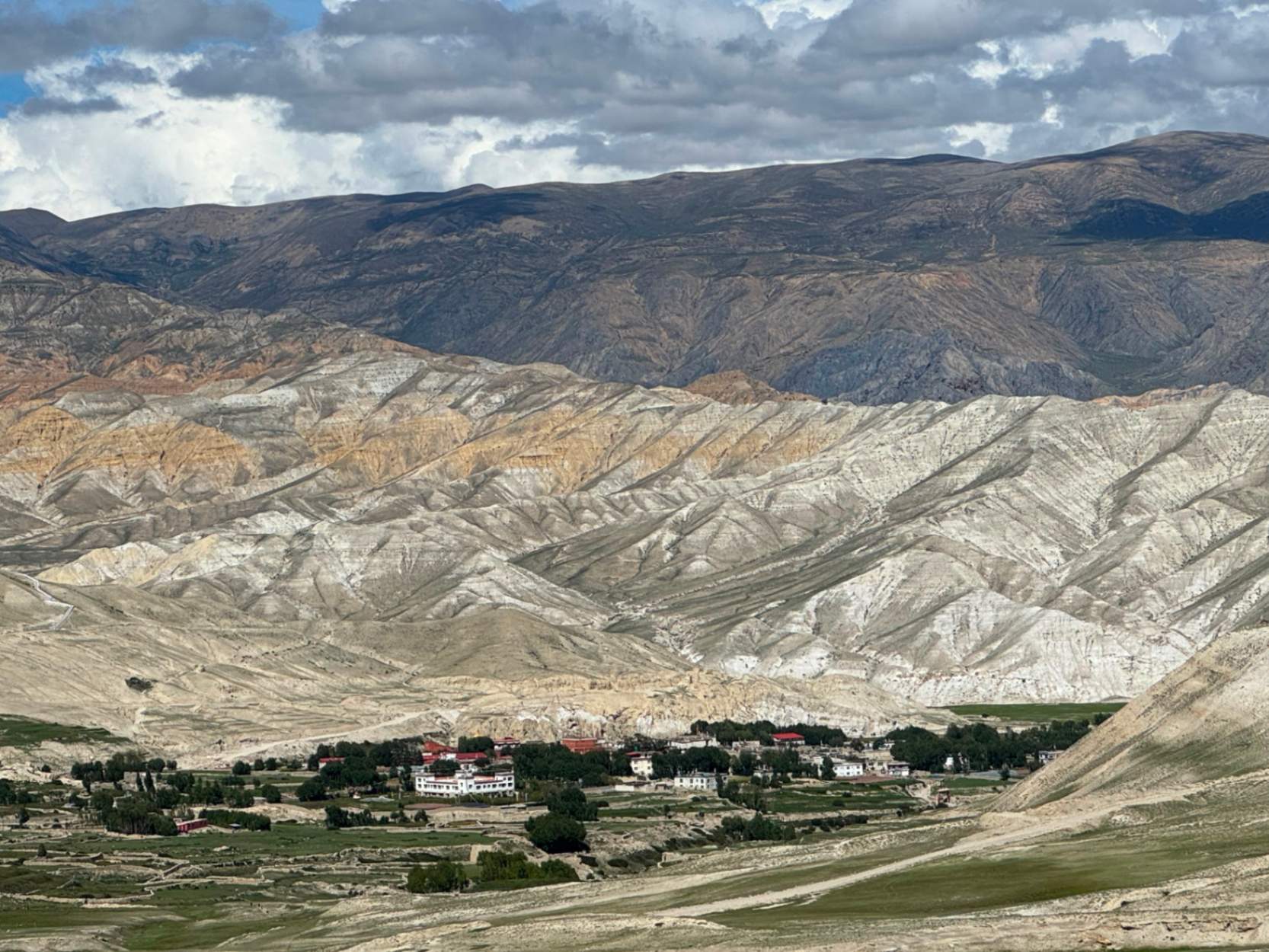
Upper Mustang has long been known as Nepal’s “last forbidden kingdom.” It’s a culturally rich region that lies within the Himalaya mountain range. The region consists of a Trans-Himalayan desert on the north face of Annapurna (the rainshadow side). It is full of astonishing red cliffs, ancient caves and cave sites, many hundreds of years old monasteries, and is notable to historic town Lo Manthang, which has a wall built entirely of stone around it.
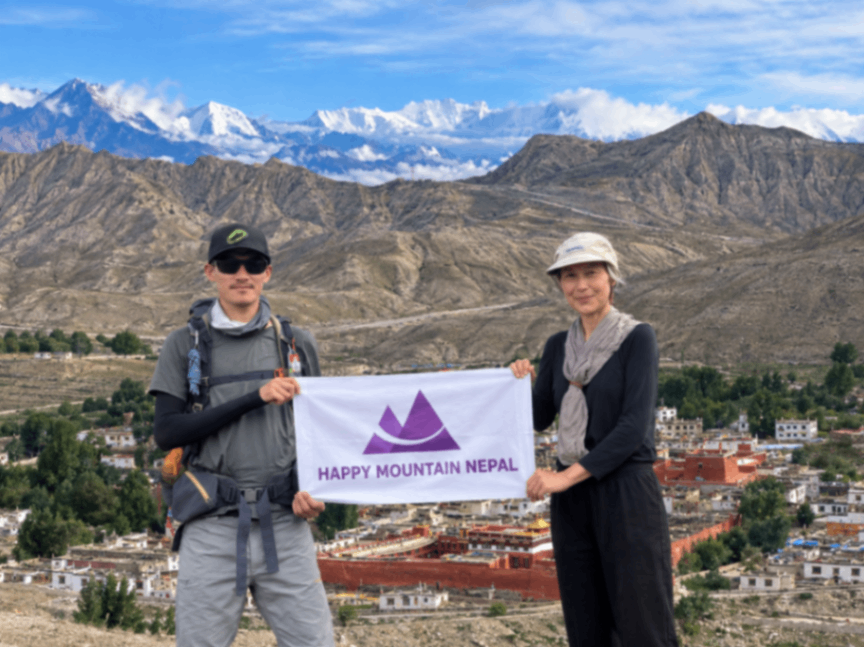
Due to the sensitive nature of Upper Mustang's cultural identity and its proximity to Tibet. It has been deemed a restricted trekking area for many years, and has required separate trekking permits to trek into Upper Mustang. Recent changes have occurred in Upper Mustang regarding the fees charged to obtain trekking permits which will drastically impact trekkers planning on trekking Upper Mustang in the years 2025 and 2026.

The Previous Permit Fees for Upper Mustang Trekking
Prior to the recent changes, the fee for treks to Upper Mustang for foreign trekkers was a flat rate of USD 500 for each individual for a 10-day RAP (Restricted Area Permit) to enter Upper Mustang, regardless of the actual time spent in Upper Mustang by that individual trekkers up to the maximum, 10-day duration of the permit.
Even those that had only intended to visit the restricted zone of Upper Mustang for five to six days still had to pay the entire fee associated with the permit system. Because of this system, Upper Mustang has become one of Nepal's most costly trekking regions due to the cost of permits alone.
The permit system also made it difficult to plan an itinerary with any flexibility. As a result, many trekkers extended their stays to satisfy the requirement of spending the full 10 days to make their purchase of a permit worthwhile. Many short-term travelers, as well as those who were interested in cultural visits or those that participated in jeep-supported tours, were dissuaded by the high up-front fee. Consequently, many individuals chose not to visit Upper Mustang due to the prohibitive cost of obtaining a permit.
The New Permit Fees for Upper Mustang Trekking
The previous flat $500.00 for the Upper Mustang trek permit fee is being replaced with a new pricing structure. For the new pricing structure, a $50.00 fee will be charged for each day you are in the Upper Mustang restricted area, effective June 2020. You will now only pay for the actual number of days you are in the Upper Mustang restricted area and you will no longer be required to pay a minimum of ten days for the permit as before; so, if you spend 5 days in the Upper Mustang restricted area, your permit fee is $250.If you stay for 7 days your total cost will be $350. If you stay for 10 days then your total cost will be $500 but you will only have to pay for 9 or less of those days. This is designed to provide travelers with a better way to budget and allow them to have more flexibility in deciding how long they stay in Upper Mustang and to ensure that all travelers pay the same amount in fees for their permits.
Why is permit revision important
The change from an all-or-nothing permit system to the new daily-based permit system will make Upper Mustang available to many more potential travelers. There are plenty of options for hikers or cultural trips in Upper Mustang; as such, many travelers can now be able to decide what type of trip fits with their photography needs based on whether or not they choose to rent a jeep or have a Jeep to travel and pay for only ten days at the same time. A traveler might find it beneficial to combine with Annapurna Circuit or other treks in Nepal while they are in Upper Mustang.
The new fee structure will likely attract more people to visit Upper Mustang as part of an overall plan to develop the economy in Upper Mustang as many travelers may be willing to stay less than 10 days in Upper Mustang. An increase in tourism creates a much larger impact on the community through spending in areas like Kagbeni, Ghami, Tsarang and Lo Manthang when they buy food, lodging, guide services, transportation or other locally made products.

Upper Mustang Still Remains a Restricted Area
Upper Mustang continues to be regarded and treated as a restricted region in the eyes of Nepali immigration law regulations, despite the change in permit fee amount. As a result, if you want to travel to Upper Mustang as a trekker, you cannot go on your own without first obtaining a Restricted Area Permit (RAP) from an authorized tour operator in Nepal. This is in order to prevent tourists from damaging themselves or the delicate Himalayan environment due to external influences and to avoid damaging the history and culture of the area influenced by Tibet. This is done by disallowing tourists from traveling solo in Upper Mustang so that the government has a record of all tourists who travel through this region, which helps keep tourists safe while they travel in this remote area and is part of managing the preservation of the area.
Other Permits Required for Trekking in Upper Mustang Trekking
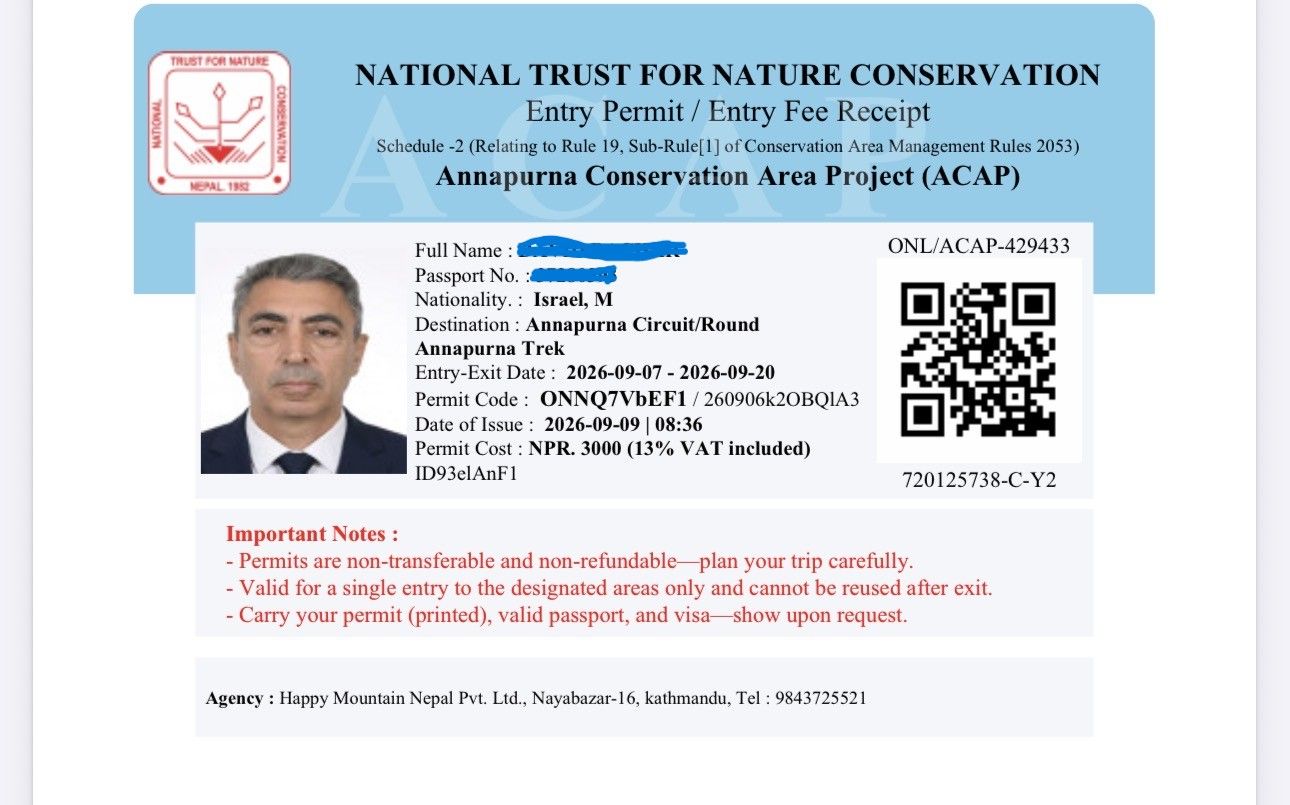
Upper Mustang requires a Restricted Area Permit, which will be issued only to trekkers who have the appropriate permits. The Annapurna Conservation Area Permit (ACAP) must be obtained by trekkers in order to comply with both the environmental regulations of the Annapurna Conservation Area and the local development goals of the Government via the collection of conservation funds. The ACAP fee and the restricted area fee are independent from each altimeter, but will be applied to every walker that enters the area.
It is the responsibility of the trekkers to check with the relevant organization regarding their current requirements with regards to TIMS (Trekkers’ Information Management System), as there are various policies and requirements that apply to different trekking routes. All permits will be processed through approved agencies, and it is necessary to have proper documentation such as copy of passport and visa details.

How the New Permit System Benefits Trekkers
The implementation of a new permit fee structure for the Upper Mustang trek provides a large flexibility advantage to trekkers as they can now customize their itineraries to match their individual level of interest, length of time travelling, and their budget. For example, if a trekker wants to visit just the cultural site of Lo Manthang, they have the option of reducing the days they will spend there and would not incur any additional costs. Alternative, for those seeking adventure by trekking through the many side valleys, monasteries, and over the many high mountain passes, they will be able to extend the number of days they spend trekking by simply paying for the additional days.
Additionally, with the implementation of a daily rate permit fee structure, trekkers will be able to easily budget their overall trip. Every trekker will have a good idea of the amount of money they will need to pay for their permit before starting their trek allowing trekkers to create an overall trip budget much easier knowing how much money they can expect to use for their permits.
The new daily permit fee system also aligns Upper Mustang to current travel trends where flexibility and personalization are very important.
Economic and Cultural Impact on Local Communities
Due to the new fee structure regarding permits, there will be more revenue generated in the local area as more people will visit teahouses and stay in local homestays. Hire local guides and porters, take jeep safari tours, and purchase goods from local artisans. One of the reasons for promoting sustainable tourism is to help protect many of the ancient monasteries, mud-brick buildings, and culturally significant Tibetan heritage sites in Upper Mustang.
It is anticipated that both regulated access with the Restricted Area Permit System and collection of permit fees will preserve the integrity of cultural communities because future tourism development will not negatively affect local economies. Permit fees will be paid by visitors and will also help support conservation and infrastructure projects in the region.
You are advised to plan in advance your trip to Upper Mustang in order to obtain the permits/permissions through a registered trekking/agency. The itinerary you prepare will state how many days you will be in Upper Mustang's Restricted Areas because the new Restricted Area Permit Fee will now be based upon the number of days you are there. In your budget for the Restricted Area Permit (plus the ACAP), consider the cost for guide services, accommodations, food, and transportation.
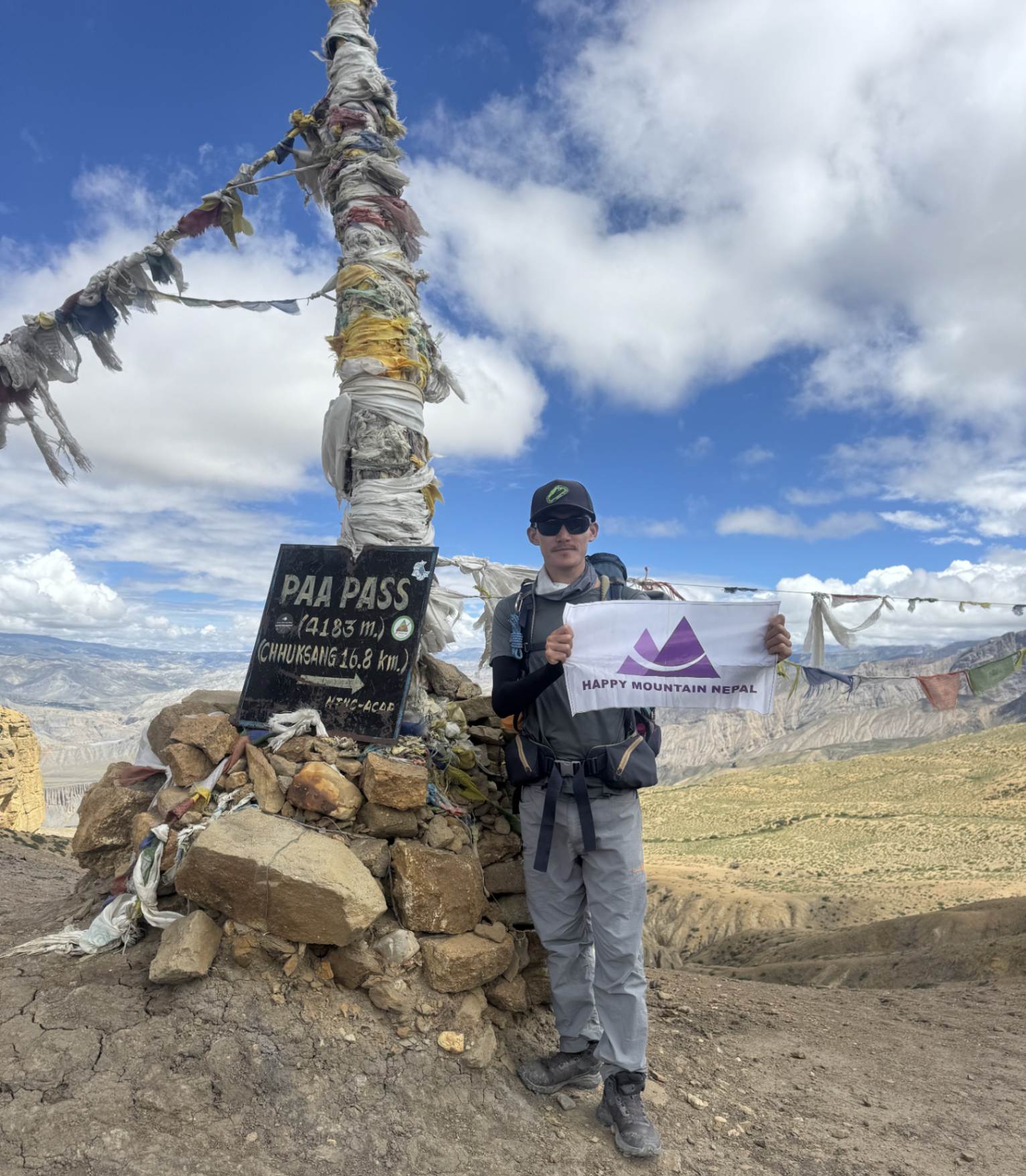
The ideal times to trek in Upper Mustang are spring (March to May) or fall (September to November), but because the area sits in a rain shadow, it is also a good place to trek during the monsoon season. Travelers should be sure to acclimatize to the altitude, monitor their travel insurance, and prepare physically for the trip.

Conclusion
The new regulations for the Upper Mustang Trekking Permit fee represents a significant and positive change in the government’s tourism policy in Nepal. By establishing a flexible USD 50 per day rate versus the existing flat rate of USD 500, the Government of Nepal made this unique, Himalayan trekking destination more accessible and user-friendly to travelers, while continuing to enforce conservation and cultural protection throughout the area.
With the new trekking permit system created for trekkers dreaming of visiting the ancient kingdom of Lo Manthang, trekking through stunning desert landscapes and experiencing true Tibetan Buddhism; now gives trekkers more freedom and clarity regarding finances.
Upper Mustang continues to be one of the most beautiful regions for trekking in Nepal, and with the new structure on the trekking permit fee, it will be much easier to plan adventures responsibly and efficiently.