

Nepali Father’s Day: Buwaako Mukh Herne Din

Father’s Day usually felt like a bit of a scramble for me back home in New York. A quick phone call (and if I had time: a card from CVS), a meal when I wasn’t pulled into the office for fourteen-hour days of work still, those days often felt closer to duty than love. And then, somewhere along the way, I landed in Nepal for Buwaako Mukh Herne Din(Nepali Father’s Day).
In Nepal, it was not about buying something from Amazon or posting on social media; it was a different personal sacred. The day means “to see the face of your father,” and it struck me instantly when was the last time I looked at my father, not just a glance over FaceTime between my meetings?
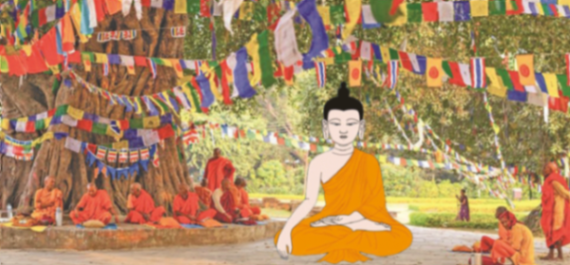
As I walked along the streets of Kathmandu on that early morning, I started to feel the streets rumble gently again. I observed families: some walking around with fresh fruit and sweets, others with garlands. Sons and daughters were walking to their father’s houses, some in the native daura suruwal or a daura kurta. The temples were busy as well. I saw sons and daughters who have lost their fathers lighting oil lamps and saying prayers. That day was heavy, but peaceful. It seemed that the city had agreed on that day to stop the normal pleasantries of life. And take a moment to honor the men who built it.

I was meeting with a local friend who invited me to their family home in Patan. He found his dad sitting cross-legged and grinning shyly as his children prepared tika on his forehead, fruits, clothing, and a blessing. The whole thing was so intimate, no designer watches, no self-celebrating and performatively reflective socialites posting for the world audience, just presence. Watching this moment broke something inside me.
As I sat on a chair drinking tea, it hit me whether it was the festival or a reflection. A reflection that asks me when was the last time I stop long enough to honor the man whose sacrifice made me into the person I am? Nepali Father’s Day reminded me that there are no physical money and/or grand gestures of generosity that guarantee gratitude. Gratitude is simply showing up, being there, and in your eyes. Eyes saying without speaking, I see you, I am grateful for you, I love you. And maybe that is why being here mattered.
I was too busy climbing all of the invisible mountains of ambition to remember to do that in New York. But today in Nepal, I finally stopped. I called my father. And for the first time in a long time, it was not a call where we spent minutes talking about what I was doing or about what was going on in our lives. It was a call full of stories, laughter, and silence on the other end that was not awkward.
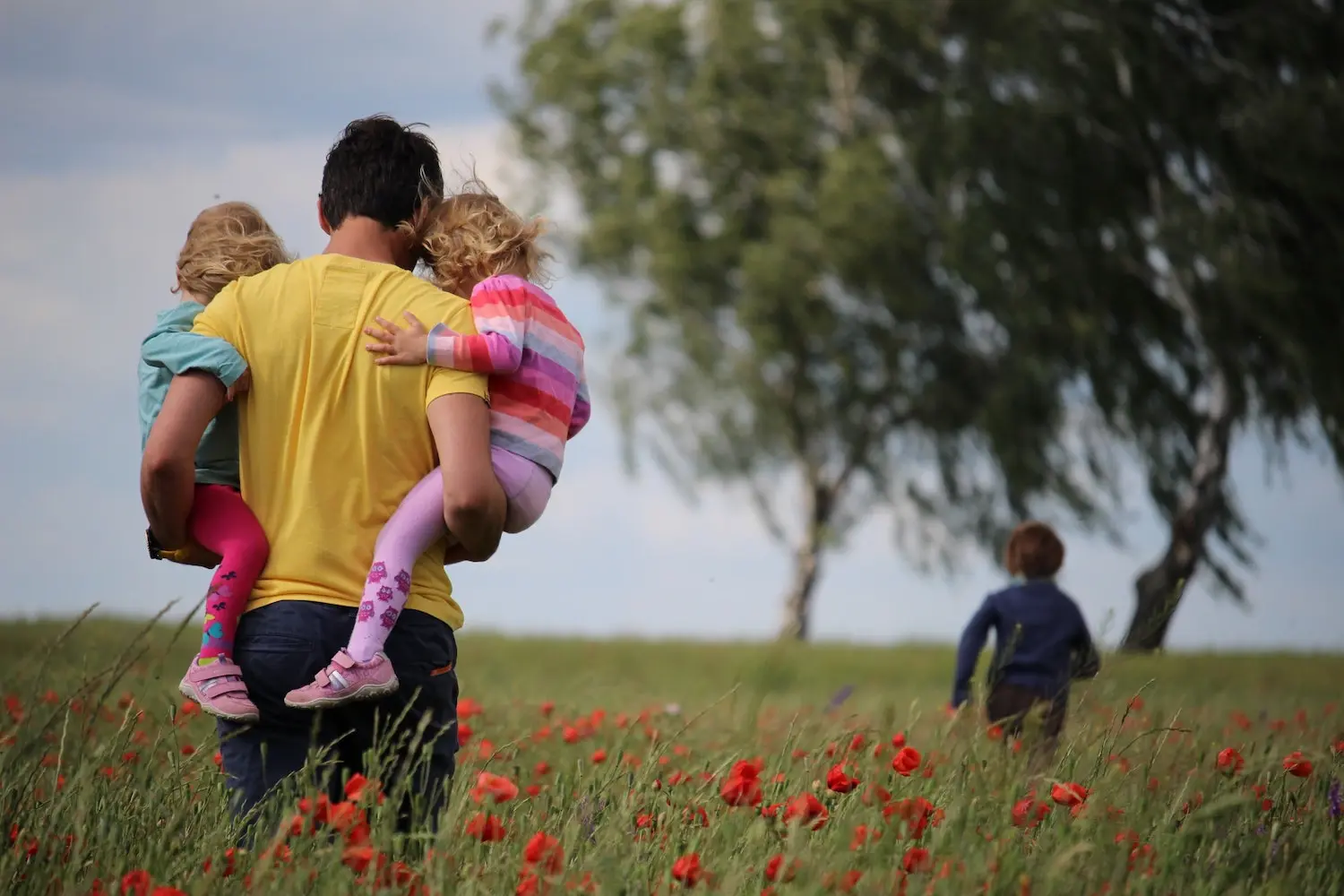
Why Nepali Father’s Day is Different
- Buwaako Mukh Herne Din, which occurs in August, is celebrate according to the lunar calendar.
- Children honor their fathers by giving them food, clothes, blessings, and an honorable ritual ceremony.
- Children whose fathers have passed away will go to a holy river and a temple. To pray for their father in order to honour them.
- It’s less for commerce, more for spirituality than the Western Father’s Day.
- It’s about presence, gratitude, and connection.
After leaving that day, I felt different. I realized it wasn’t a cultural experience; it was an education. In Nepal, Father’s Day is not about how to be a good son or a good daughter. But a return, even just for a day, to the most basic truth: fathers are living timelines, and their faces are complex memories we always forget to view.