
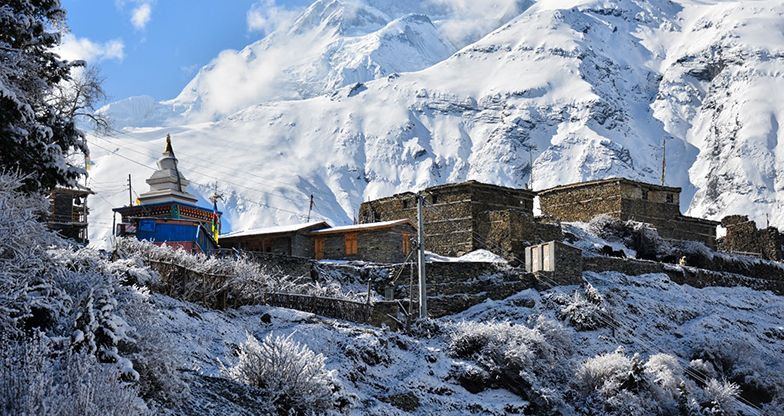
Nar Phu Valley: Nepal’s Remote Frontier
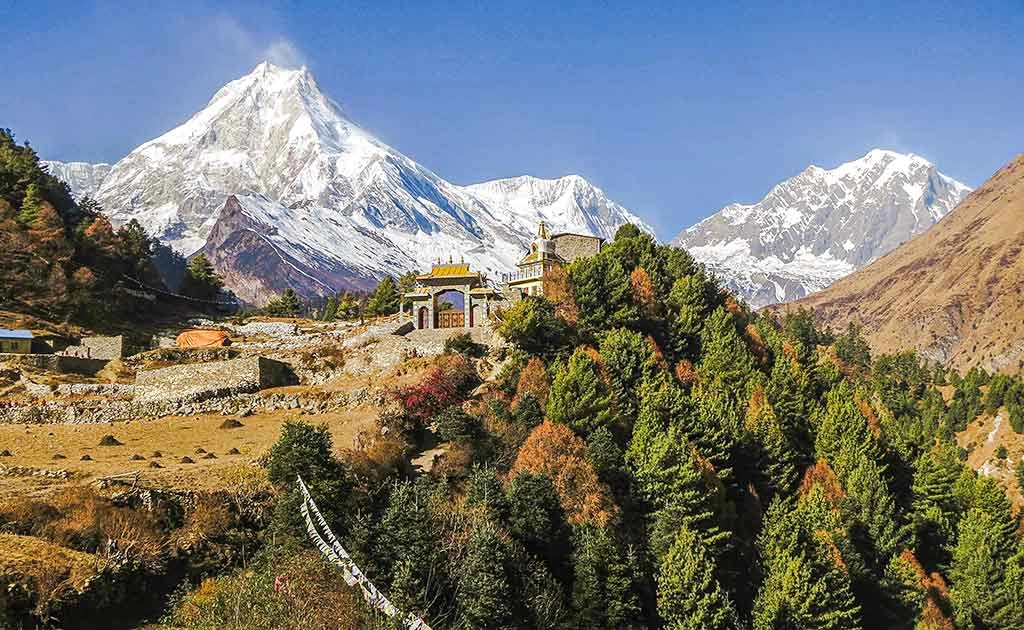
In rural Nepal, far from thronged trekking trails that welcome most foreigners, there exists another universe Nar Phu Valley, a hidden land where Tibetan tradition, unspoiled Himalayan landscape, and indigenous ways of life are still inaccessible to the crowds of mass tourism. Nested between more popular Annapurna and Manaslu, the trek provides a traveler an alternative insight into life in one of the least accessible areas of the Himalayas.
 The Nar Village
Trek was previously closed off to outsiders until 2002 and is a destination crying out for adventure travelers seeking isolation, cultural richness and scenery. A bit more about putting one foot forward in front of the other, it's an odyssey into the still relatively unvisited Tibetan border and you'll find stone villages, chortens, prayer flags and ancient monasteries along the ways.
Why Trek the Nar Phu Valley
Everest and Annapurna may be the well-trod paths but Nar Phu is a trek for those serious about an original and raw experience with culture in remote locations, high-altitude trekking in wilderness with real Himalayan hospitality that involves no tourists and fancy teahouses, just the real beauty of the mountains.
The trek features the mythical Kang La Pass (5,320m), medieval Tibetan towns, and ancient gompas (rock-hanging monasteries). Adventure and culture with excellent view of Annapurna II, Gangapurna, Tilicho Peak, etc.
Trek Overview: What You Can Expect in Nar Phu Valley
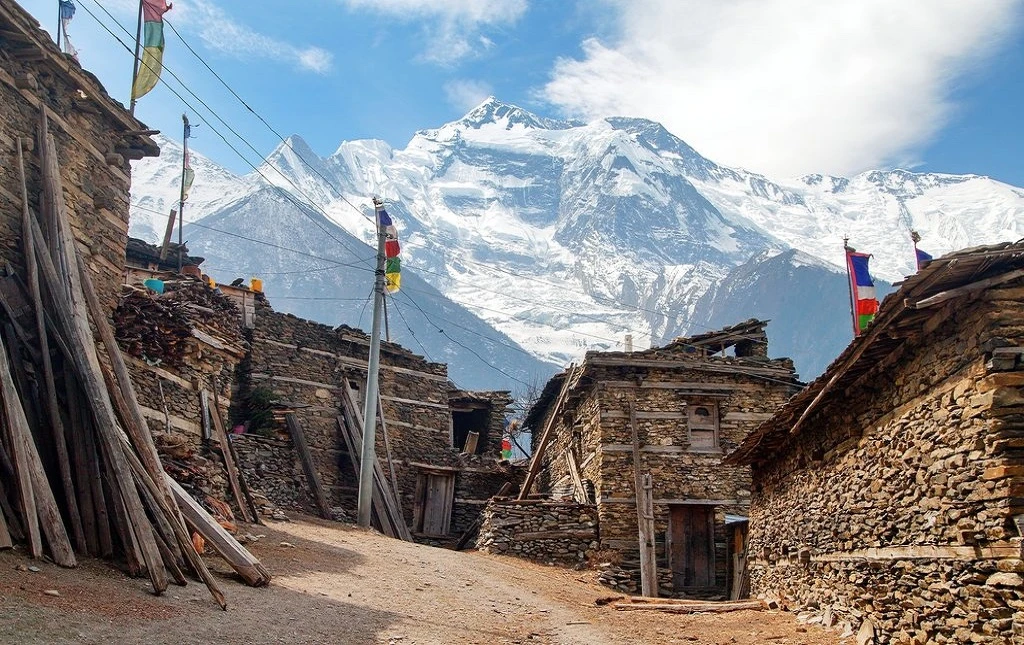 Ghyaru
1. Duration: 12-15 days
The Nar Phu Valley Trek is of 12 to 15 days duration. This, like any trek, will depend on your pace, acclimatization, or possibly extension side trips. The length of the trek is the distance of the trek in and out of the trailhead, the time you spend overnight at a higher elevation for multi-days, nights in cultural villages, some multiple high passes to cross over 2 or 3 days, etc. I would say to not rush. It's good to have a bold trek, but you also have to remember that there is a real effort to acclimatize; mountains can be a travel extension, but as for trekking, you do need to try to make your trek as safe as, enjoyable, possibly dangerous, and, as much as is reasonably possible and a little bit of adventure, it's all part of the trek.
2. Difficulty Level: Moderate to Hard
This trek is difficult to challenging owing to the altitude, remoteness and rough terrain. You can expect rocky and rough paths, long walking days and very few fixed services/amenities. Prior trekking experience and reasonable fitness level are recommended. It is not technical but the physical and mental endurance and will power are paramount (especially for any difficult rations in the area of the Kang La Pass.
3. Altitude: Kang La Pass-5,320 m
The steepest and highest point of the ascent is the Kang La Pass (5,320 m/17,454 ft). Provided one makes it to the summit, one should be treated with panoramic 360-degree vistas of the Annapurna Range and Manaslu Range. The slope is steep (especially from Nar) and will more than likely require stops for acclimatization to deal with the risk of altitude sickness issue.
4. Timing:
The best months for traveling on this trek is when it is Spring (March-May) and Fall (September-November). as the weather in general is more stable, skies are usually clear and the temperatures are improving.
Spring sees a lot of blooming rhododendrons, and alpine flowers that are colourful, while autumn provides crisp air and great visibility of the mountains. Winter and monsoon treks are unfeasible as there are still large snowfalls during the winter, and the conditions are dangerous during the monsoon.
5. Permits:
ACAP + RAP There are two permits required to trek Nar Phu Valley.Annapurna Conservation Area Permit (ACAP) - supports the local environment and helps fund community development Restricted Area Permit (RAP) -Since there is cultural sensitivity and the area is near the Tibetan border, you must get a RAP. The permits must be acquired through a registered trekking agency and require that you trek in a group of at least two trekkers, with a licensed guide.
6. Route Highlights: Starting from Koto
The trek usually begins from the small village of Koto, near the Annapurna Circuit trailhead, and subsequently diverts off the main trail, along the single gorge of Phu Khola (river). The trek goes through pine forest, gorges, suspension bridges, and finally into the vast stretch of wasteland arid landscape of Nar and Phu. Trek undergoes a drastic alteration in landscapes, varying from rainforests to arid high-altitude desert ranges.
Major Highlights of the Nar Phu Valley Trek
1. Phu Village - Ancient Tibetan Settlement
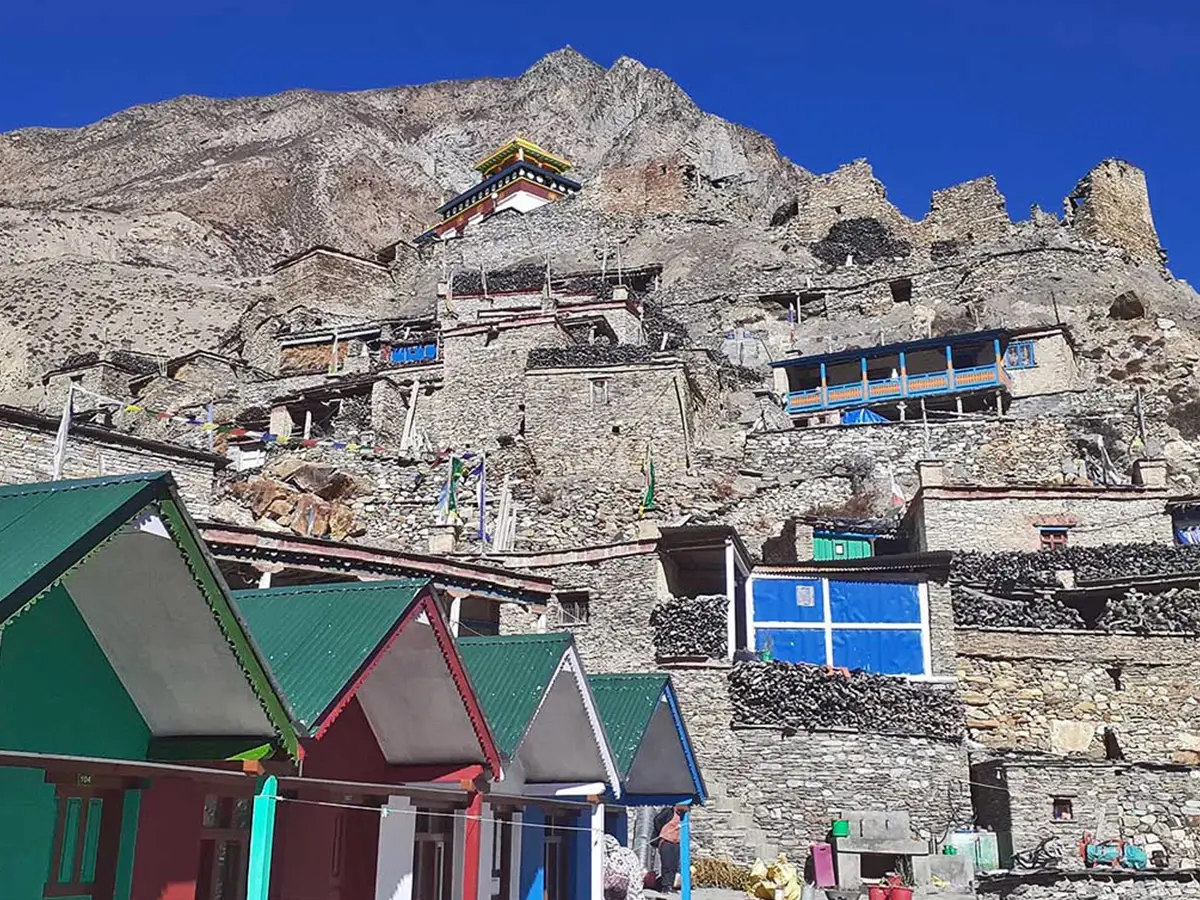
Attractive and entertaining Phu Village begins at 4,000 meters in the high Manang district, and offers a disturbing sense of time travel. Separated from modernity, Phu is one of the last seat of a living Tibetan fortress village established from stone, windstorm-battered chortens, and dried, rising cliffs that provided a fort-like barrier to a landscape of silence: broken only by the flapping of prayer flags and the occasional low of an indifferent yak. Monastery trekking to the village of Phu is a close spiritual and cultural experience, uniquely rewarding for travelers willing to break from the crowd, and experience the utmost beauty of high-altitude, northern-style simplicity and natural settings.
 Phu Village
In Phu, you will feel intimately close to a centuries-old lifestyle of yak herding, seasonal migration and Buddhist rites, in a world where locals live off the land, and are essentially dependent on it for food, shelter, and spirituality. In Phu, the families eat food of the land, provide food and prior arrangements are made for the yak, use yak dung for fuel, glean fuel from the land for shelter and spirituality. The narrow streets and terraced stone lodges, speak volumes about its medievalism. For travelers, Phu Village provides a scenic experience, but is also somewhat like stepping through a portal into a preserved Himalayan cultural world.
Major Attraction
- Tashi Lhakhang Monastery: An 8th-century sacred monastery.
- Ancient Chortens and Mani Wall: Quite incredible stone spots, anywhere along the path and village.
- Yak-herding Nomadic Culture: Opportunity to view and experience a classic Highland husbandry culture.
- Stone Construction: Houses of multiple stories constructed into the cliffs, by utilizing ancient methods of centuries ago.
- Himlung Himal View: Panoramic view of massive glaciers and height ranges.
Nar Village - Culture, Community & Generosity
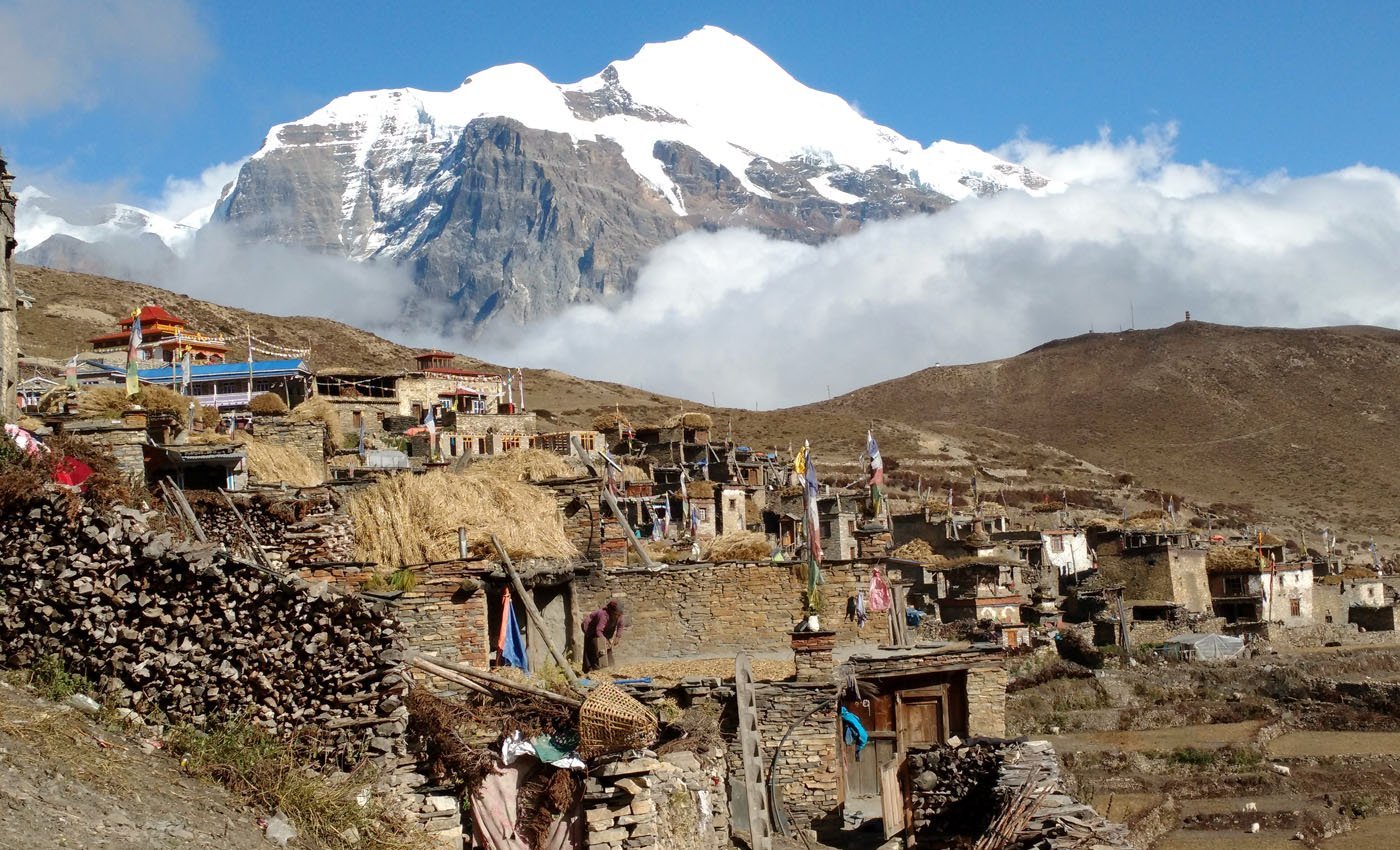
Nar village is a pleasant small village, rather below Phu, having good cultural appreciation; warm people and an inclination to retain Tibetan traditions. It is a bit warmer and open to everyone, whereas Phu is somewhat tougher and exhausted. The villagers are usually religious in nature; actually, if you chanced to be there at the appropriate time of the festival day, it was most likely that you would be asked to join them in rituals or celebration like traditional music and dance. Their life is dedicated to farming, cattle breeding and spiritual practice mostly. You have devotional objects in every household - prayer flags, spinning wheels and butter lamps.
 Nar Village
Nar is slightly more accommodating than Phu, as the lodgings are Tibetan-style lodges, and there is a nice local hospitality aspect. You have the opportunity to engage with villagers who retain their Bonpo and Buddhist beliefs, often represented in painted symbols on homes and prayer stones. hand-weaving, wearing their traditional dress and the delightful smiles of curious children combined to make Nar a very heartwarming cultural aspect of the trek.
Major Attraction
- Tibetan-Style Lodges - Local hospitality in a traditional setting.
- Bonpo and Buddhist beliefs - the coexistence of two ancient spiritual traditions.
- Hand-Woven Fabrics/Crafts - Watch or purchase textiles and garments produced adjacent to the village.
- Ornamented Village Homes - the wood patterns of construction as well as the distinctive window-frame designs were artistic features.
- Meeting for Sunrise Views of Pisang Peak - It was worth getting up to see another spectacular view of such glorious Himalayan mountains!
3. Kang La Pass - The Challenge and the Reward
Kang La Pass is located at an altitude of 5320m and is one of the hardest and most exciting parts of the Nar Phu Valley trek. The ascent to the pass is steep and white with snow during the colder months, and the effort and landscape are amazing. If you are acclimatized appropriately the crossing of Kang La will be a highlight, and you will feel excited that after all the effort you have succeeded in crossing the pass. On your way up, you will see expansive views of the Annapurna Massif in every direction, but Tilicho Peak will be prominent on your immediate horizon with Gangapurna and Annapurna II also stretching up into the skies.
 Kang La 5320m
After this hard work, and with all the unbelievably beautiful scenery and tasty culinary options of Manang to contemplate, the descent into the greener trails of the Annapurna Circuit is spectacular. You will feel the change going from the barren stark landscape and the isolated valleys to where the population is more concentrated, where other trekkers have been, and where services in Manang and beyond are more developed. This pass is an amazing link between polarizing landscapes, but it also links cultures-a rare chance for trekkers to connect hidden Tibetan valleys with one of the most well-trekked routes in Nepal.
Major Attraction
- Breathtaking Mountain-landscapes: Panoramas of Annapurna II, Tilicho Peak and Gangapurna.
- Historical Connection with Annapurna Circuit Trail: Down to Ngawal and locate the classic trail.
- Feeling of Accomplishment: It is well worth the experience and has the benefits of high altitude trekking.
- Range of Trail Experience: From highly remote wilderness to frequented valleys.
- Photographic Opportunities: With constantly clear blue skies and ideal topography for excellent photographs and documentation.
Cultural Preservation and Spiritual Discovery
It is one of the most attractive features of the Nar Phu Valley region, and a number of others, that cultural authenticity is one of them. The remoteness of the site and limited trekking permits have saved it from the rush of tourism development and given the surrounding villages the chance to maintain their tradition, language, clothing, celebrations, and religious practices, as a vibrant tradition of Tibetan Buddhist culture. Whether you trek as far as you can go, or look about you, always set against centuries of faith and ritual.
Travelers can explore hundreds of years old monasteries with meditation caves visited by the famed Buddhist saints, chant with monks wearing crimson (red) robes reciting ancient mantras and spinning prayer wheels, and meditate on human existence while following teachings, traditions, and blessings that have been facilitated over centuries. You will notice unique aspects of Bon shamanism such as the sky burials, offerings, and terror-based spirituality, which add further tolerance due to the mystery of the land.
Major Attraction
- Buddhist Monasteries: Visit sacred gompas, such as Tashi Lhakhang, and Nar Phedi.
- Meditation Caves: Specifically, ancient meditation retreats that are carve into mountaintops.
- Monastery Rituals: Chanting, butter lamps, and a chance for other prayer ceremonies.
- Bon Traditions: A chance to explore aspects of pre-Buddhist spiritualistic traditions that are still practiced.
- Cultural Experience: Live and adopt a way of life that has been preserved for hundreds of years.
Permits and Requirements in Nar Phu Valley
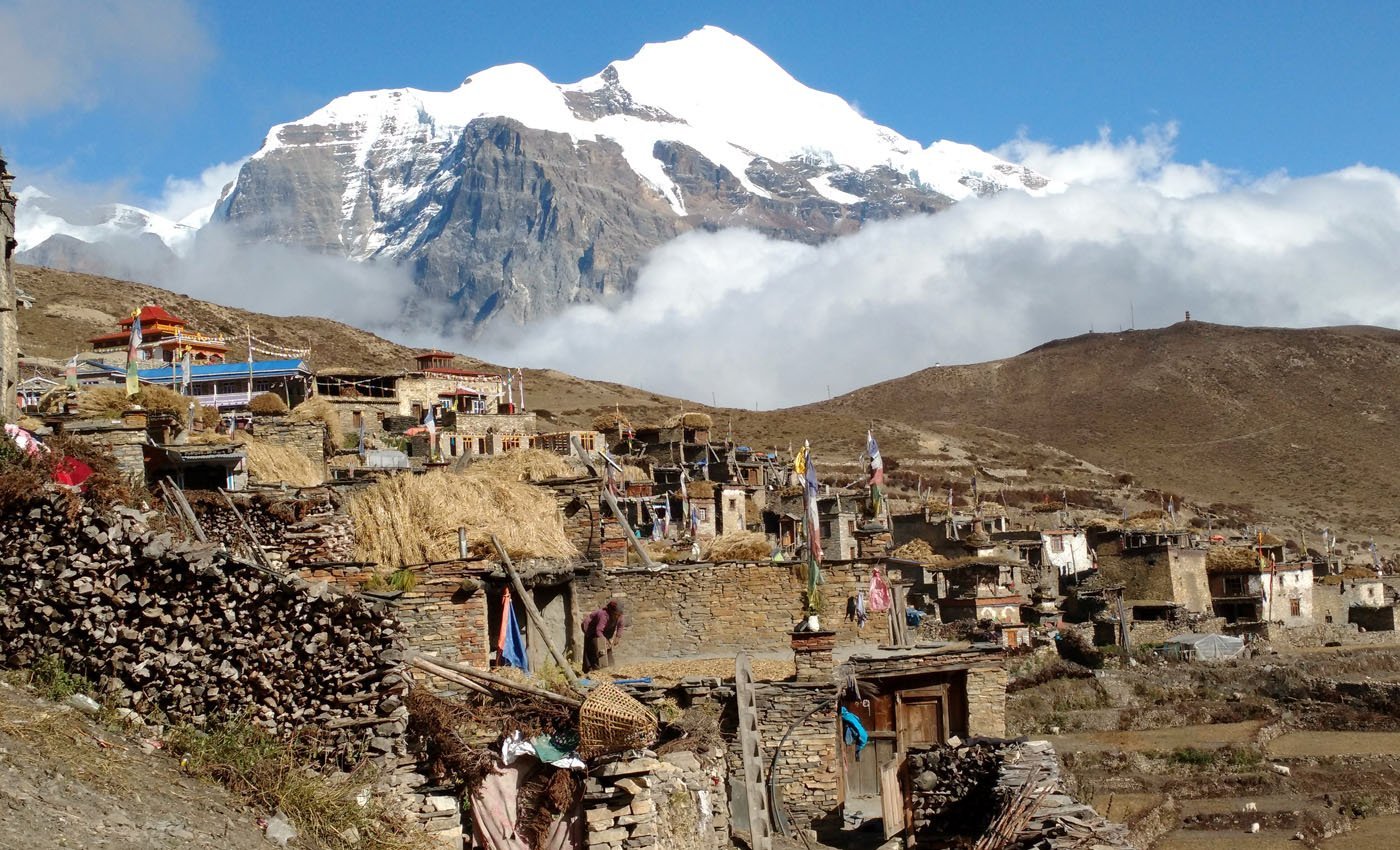 Old Nar Village
Because Nar Phu is classified as a restricted area, a special permit is required:
Permits and Regulations - What You Need to Know Before You Go
Because the Nar Phu Valley (the valley between Nar and Phu) and two separate villages of Nar and Phu are right on the Tibetan border and both ecologically sensitive and culturally important, the Nar Phu Valley is consider a restrict trekking area. Additional permits and conditions apply. The most significant permit is the Reserved Area Permit (RAP) to be attached to your Trail Permit. The RAP is approximately USD 100 per person for the first seven days in the area (USD 15 dollars per person a day for each additional day. This permit is absolutely necessary to enter both Nar and Phu villages. You must also obtain the RAP in advance and it can only be obtained from a registered trekking agent/government agency.
In addition to the RAP, trekkers need to obtain an Annapurna Conservation Area Permit, or ACAP, because Nar Phu is part of the Annapurna ConservationArea. The ACAP already costs NPR 3,000 (approximately USD 25 for foreign registered citizens in Nepal). And don't forget, solo trekking is prohibited. This means that you must have at least one other trekkers and a licensed trekking guide. This rule is being implemented not only for safety but also to monitor environmental impact and help cultural preservation in this remote area of Nepal.
Permit Requirements for Nar Phu Valley Trek:
Restricted Area Permit (RAP): Around USD 100 per person for the first 7 days, set up by use of a registered trekking agency
Annapurna Conservation Area Permit (ACAP): Approximately USD 25 per person (NPR 3,000)
Minimum Group Requirement: At least two trekkers minimum permits are not issue for solo adventurers
Licensed Guide Requirement: There is a requirement to trek with a guide and only a government registered guide will count.
Permit Issuance Only from Registered Agencies: Both RAP and ACAP have to be process from register trekking companies in Nepal
Also, be aware that this trek to Nar Phu Valley also requires reasonable physical fitness, with proper acclimatization to higher altitudes beforehand.
Accommodation on the Nar Phu Valley Trek
 Phu Village
1. Basic Teahouses and Homestays
There are no glamorous hotels or high-end lodges on the Nar Phu Valley trek. Accommodation will be take care of in basic teahouses and homestays operate and construct by local families. These buildings are generally made of either stone or mud; the rooms are small and basic: a bed, a blanket, and perhaps a small table or shelf. To be sure, the accommodation is basic, but they offer a wonderful opportunity to see traditional life in the mountains at first hand!
2. Bare Facilities
Since the area is not available, the facilities are bare. There is no heating at all and the rooms get extremely cold in winter months, which is especially true in the evenings. Electricity, when it is there, is usually solar-power, available some of the time during the day or night, and for only a few appliances. They also have the option to charge your camera or phone for a nominal extra fee, or no power at all in certain villages.
3. Shared Bathrooms
Although very cozy, sanitation in accommodation is not the norm. Toilets are share in most accommodation, it could be an outside loo, Indian/local type (squat) and usually without running water. Showers do not even happen in most of them, and hot water does not even exist (when there is, it would be possibly from a bucket or a solar-heated tank), and usually for extra money. Bring your own toiletries and wet wipes to remain sanitary.
4. Friendly and Family-Run
The teahouses are usually family-own with the family residing there. The families cook, clean, and attend to your room. There is therefore a homely warm atmosphere, and the guests feel like part of the extended family. Although there may be some language barrier, gestures, smiling, and meal sharing together help in better comprehension with a personal touch.
5. Dazzling Hospitality
Although the accommodation may well be basic, hospitality is frequently a way of life. You will almost certainly be invite to sit and rest by the kitchen fire after a day's walking, stay and talk with the owner, or even assist in preparing your meals. Sharing meals makes for bonding moments, and occasionally these are the most memorable moments of the trek, and you receive a genuine cultural experience beyond that which you were originally carrying out.
Food on the Nar Phu Valley Trek
 Meal Time
1. Plain, Local Cuisine
The farther away from towns and cities you get, the food will generally consist of what is locally, or transport by mule. Fine dining is not to be expect, but good, simple, home-style food just to keep you going. The majority of the dinner meals will be vegetarian since meat is scarce, and costly to import in this high-altitude nation.
2. Daily Staples
The staple food for the day is dal bhat, which is lentil soup, rice, and seasonal veggies, or at least seasonal veggies! Dal bhat is a rich, wholesome food served normally with unlimited servings. Other indulgences are Tibetan Bread (fry flat bread), thukpa (vegie noodle soup, hot), momos (steamed dumplings), and tsampa (roast barley flour with tea or milk as an option).
3. Drinks
One of the most unique drinks you will have is yak butter tea, a salty, creamy drink made by mixing yak butter, salt, and tea. You may or may not enjoy it, but it certainly will help keep your body warm and provide hydration at altitude. You'll also see sweet milk tea (Nepali chiya), black tea, and boiled water for drinking. You may find bottled water in some lodges, but it is expensive, and perhaps not so environmentally friendly.
4. Extremely Limited Supplies
Since Nar and Phu are not road-accessible, almost everything except the local food and supplies gets in by flight, mule-borne, or porter-borne. So, don't look for much menu and sometimes redundant foods. It is nice too to bring some of your own snacks (i.e. protein bars, nuts, chocolate, etc.) to help power some extra energy on your trek.
5. Shared Mealtime
Meals are take at a communal kitchen or dining hall where locals and travelers sit and socialize about the hearth. This share space gives the trekkers a sense of belonging, and meals together often are when some tells great stories, some local traditions, and the calmness of the mountains can be share by everyone.
Tips for Trekking Nar Phu Valley
Hire a guide and porter - Required for permit and follow on isolated terrain.
Acclimatize - Spend extra days in Koto or Meta to avoid altitude sickness.
Pack light but warm - Weather can change fickle at high altitudes.
Be respectful of the locals - Always ask before taking photos of people and of religiously significant sites.
Know that the services are limit - No wifi, limit electricity, and basic hygiene in many the more remote areas.
 Nar Village
Best Time to Visit Nar Phu Valley
The best times of the year for trekking are spring (March to May) and autumn (September to November). During the spring in the lower section there are blooming rhododendrons, and in the autumn, you have the benefit of crisp skies and views of the mountains.
Avoid the winter months (December-February) as the passes are block with snow, and the temperatures are freezing, and also avoid the monsoon (June-August) season due to landslides and messy and slippery trails.
Final Thoughts: An Adventure in Nar Phu Valley
The Nar Phu Valley Trek is not just a trek; it is an experience. It is the experience of multi-day trekking into the most remote part of the Himalaya, an unknown country where time ceases to exist. Every step into the valley is a step into a world that only a handful of tourists are privilege enough to access. If you have the ability to step away from the tourist path. Nar Phu grants privileged access to Nepal in its genuine, quaint, and majestic form.
If you want to experience solitude, sincerity, and not just proximity to the Himalayas, permanent immersion then Nar Phu Valley is your trek! Contact us today at Happy Mountain Nepal, on Facebook, Instagram, or TikTok.