


Namobuddha Balthali Hiking
Namobuddha-Balthali trek is the richest treks to Kathmandu Valley in nature, religion, culture, and village life. Lacking only the rim of Kathmandu in Kavrepalanchok district, the trek is most retreat to nature and culture and within city reach. Nature lover, a culture lover, or a spirituality lover, the trek will be a puzzle.
Here is the full Namobuddha and Balthali hiking guide, including its nature, trail facts, culture, and fun facts.
Namobuddha: Buddhist Sacred Temple
Historical and Spiritual Significance
The pilgrimage begins at the Namobuddha, a Buddhist monastery. 42 km or 1.5 car hours west of the city of Kathmandu. The most spiritually intense of the sites, where a prince, a Bodhisattva in his final life, gave up his own flesh to feed a starving tigress and two cubs. The peak of this Buddhist piety, an act of charity and selflessness.
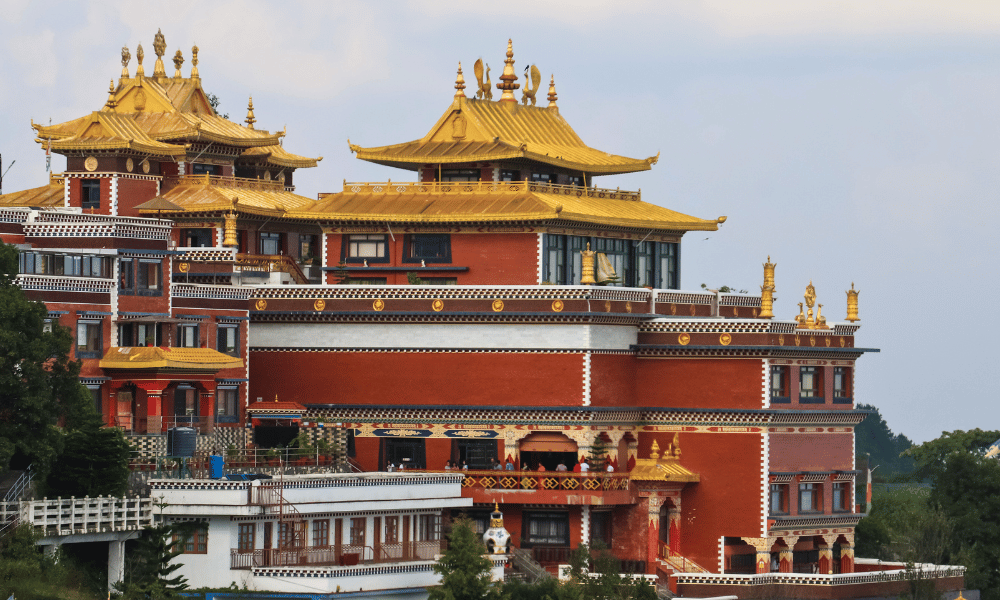
Thrangu Tashi Yangtse Monastery: You have a glimpse of the Thrangu Tashi Yangtse Monastery, that gold stupa in so many words, where and with what such a charming view of the outer hill. The monastery grounds are serene and serene, there are prayer wheels, stupas, and prayer in the atmosphere. You are able to meditate here, join in on the prayer ritual, or merely sit back and soak up the serene atmosphere. The panoramic view of the Himalayas from the monastery adds an additional layer of peace and tranquility on top.
What You’ll Experience at Namobuddha
- A visit to the Namobuddha Stupa and Monastery provides an immersive spiritual experience.
- You’ll get to witness Buddhist monks going about their daily routines, adding a deeper cultural element to your visit.
- Namobuddha village itself is a green grassy village, and there are hiking to the surrounding forest too, which are most appropriate to trek around the open areas before your Balthali hiking.
Namobuddha to Balthali Hike: Village Trekking to Scenic Villages
You start the trek from Namobuddha to Balthali Village. The trek is one hour, and nature and culture.Beloww is what you get on this tour segment:
Natural Beauty and Country Life
You are on a peaceful journey across hills, fields, and villages from the monastery. The path is not harsh and is thus available to any capacity, and pilgrims and villagers have gone ahead of you. You journey through:
- Orange groves: The trees are loaded at season and splinter warm color about.
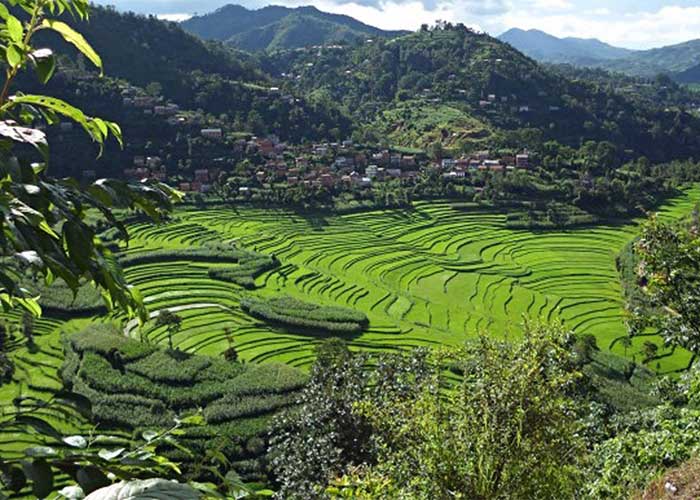
- Terraced farm lands: Green fields of potato, wheat, and rice crops at various times of the year. One observes the Nepalese countryside in all its rural charm by seeing farmers ploughing the field in the traditional way.
- Villages and Local Houses: The local houses include mud and stone houses with tiled or thatched roofs. On traveling, one is able to see such tiny villages and villagers plowing the field or herding cattle.
Cultural Immersion in Balthali
It is as if one leaves the world behind to arrive at Balthali Village. The village is not so newly discovered by the tourists and has a real picture of Nepali village life. The rural landscape is charming, with the panoramic Himalayan chain of mountains.
Homestay Experience: If that is feasible, then you can go for the finest experience of Balthali via an overnight stay at any one of the homestays that exist between the native inhabitants. There are not many of the home stays here managed by the natives themselves, where you can have the possibility of interaction with locals on a regular basis. You also have the opportunity to attempt to eat Newari local cuisine, gain knowledge of aspects of instructing one on how to store vegetables and grow crops, and even celebrate if you are fortunate enough to slip while participating in one of their ritual celebration ceremonies.
Rural Charm: The village itself is not nearly as flash as the rest of the more touristy locations, and it’s not hard to get acquainted with the villagers, famous for being so friendly. One experiences a taste of a bit of authentic Nepali rural existence, away from city crowds.
Why is the Namobuddha Balthali Panauti Hiking special?
Let us understand why the trek is unique. The trek is not unique by the natural beauty along which it passes its way, but by virtue of spirituality and enhancement because of the culture that it promises to you. An inside perspective as to why the hiking is unique is as follows:
1. Religious Significance: A Ramble Through Buddhist and Hindu Heritage
It is also one of the Namobuddha-Balthali-Panauti trek miracles that there on the way there is an unproblematic piece of coexistence between Buddhist and Hindu religious heritage.
Namobuddha itself is an endless resting place. It’s a Buddhist pilgrim rest whethe re the ancient Buddha, once-in-a-lifetime as a prince, supposedly offered flesh to a starving tigress and tiger cubs. Its lesser apparent metaphysical purpose, and the Thrangu Tashi Yangtse Monastery its tranquil oratories, stupa, and Himalayan scenery is an unimaginably contemplative day out. You’re not backdrops to fly-bys; you are walking through centuries of Buddhism and history.
As you approach Panauti and Balthali, the tour proceeds with Hindu shrines like Indreshwar Mahadev Temple of Panauti. Since Buddhist and Hindu religious complexes are built in a common complex, you remain in the vicinity of the surrounding religious and cultural setting, where you are exposed to the religious diversity of Nepalese culture.
2. Cultural Fusion: Rural Newar Villages and Traditions
The walk is also made richer by the luxury of enjoying the additional comfort of being able to live amidst Newar traditional life. Newars are native ethnic residents of the Kathmandu Valley and have very well developed cultural tradition in language, architecture, plastic arts, and festivals.
Balthali is the epitome of the village in terms of the generosity of the Newars. The villages consist of village houses, and the residents are very polite and welcoming. Kathmandu is tourist-loaded as humanly possible naturally, yet Balthali provides the country’s uncomplicated lifestyle in its own and natural form, never commercialized to any extent whatsoever. Overnight homestaying, you are a part of the daily life of locals assisting during mealtime, listening to their farming techniques, and intermingling with locals. Panauti, or its cosmopolitan Newari inhabitants, is leading the way. There is nothing that was ever done that has not been done by this town, and even on the most cramped roads, you are hemmed in by monuments of the past in the form of old wooden window frames, pagodas, and temples.
You can very safely assume that you’re entering an open museum as you walk into Panauti Durbar Square. It contains history of this location and art and architecture within itself. Its pervasiveness, no less in the temples than in the drabness of non-clerical human secular existence, is a challenge to explanations of society’s close interrelatedness of art, religion, and society.
3. A Walk-Through Time: Connecting Points of Interest
The second feature of the walk that is equally fascinating is linking points of interest that are stages of time. Namobuddha is holy ground to Buddhists, whereas Panauti Durbar Square and Indreshwar Temple are nothing but remnants of the medieval Newar state. So exquisitely restored are the buildings that you can imagine a walk through time.
Panauti is also famous for medieval Newar architecture. Although old has surrendered to new elsewhere in Nepalese towns, Panauti has preserved its past in the shape of awe-inspiringly well-preserved ancient buildings and an unaltered old street just as it existed ages and ages ago in its heydays. It’s a town full of traces of medieval temples, cobblestone roads, and ruins, all of which treat us to medieval Nepal, an insight into Nepal’s very affluent Newar culture.
4. Scenic Natural Beauty: Variety of Landscapes in One Hiking
Apart from the politeness and hospitality, Namobuddha-Balthali-Panauti trek excels because of the diversity of natural landscape. You experience such varied landscape within walking distance of hours, ranging from Buddhist monasteries holy amidst a forest of hills, rice fields rolling hills in steps, river walks, to colorfully vibrant village life. You experience five different worlds in this trek.
The remote village of Balthali paddy compels a natural appreciation of white-tipped summits a jarring dissonant upon your path. Terrain still alters at every gait from greens, through potato, paddy, and wheat in color, and they are all in a heaven of facile photography. Space to observe contrast between wildness of ringless nature and the wildness of unexplored country life.
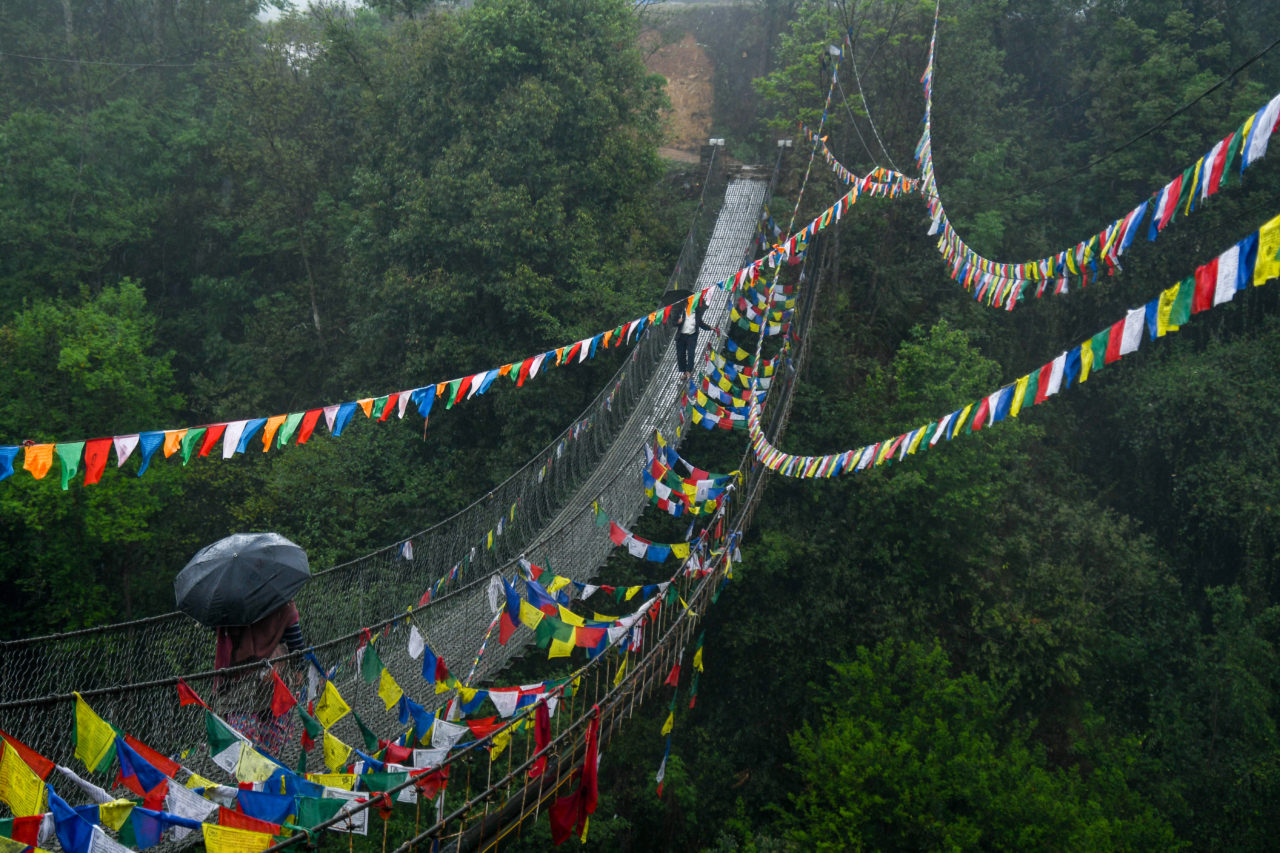
Halfway along your stroll across the River Roshi that you need to cross, there is a suspect-looking, dark-coloured aluminium bridge to traverse. It’s lovely with the gentle gurgle of the river as white noise and is a nice part of the stroll as far as relaxing you as you stroll You can also attest to the mix of trees and vegetation throughout the trek that is so characteristic of the surrounding ecosystem that the trek is nearly a nature enthusiast’s outing as well.
5. A Complete Himalayan Experience
One of the attractions of this hike over some of the more linear hikes of the bigger picture of the longer Himalayan hike is accessibility a simple day hike for a busy hiker who cannot work in the time and energy involved in buckling oneself into a harness on one of the longer, notorious treks of the Himalaya.
While the trekking is not trekking per se as we are accustomed to, the adventure it offers is no less arduous, with equally powerful returns and Nepal proper as one of its more difficult, longer treks. It’s basically a city tour of the Kathmandu, so good day trip. This is 1.5 hours out of the city and such a good option to get a day out in the countryside without having to spend an excessive amount of time on the transport or altitude.
It’s not only perfect for the novice, but for the individual who wishes to partake in a day trip comprising of cultural, spiritual, and self-discovery activities all mixed together.
The Route in Detail: Namobuddha to Balthali to Panauti
1. Base Camp: Namobuddha (1,750m)
It takes a 1.5-hour (42 km) vehicle ride from Kathmandu to Namobuddha, Nepal’s most sacred Buddhist pilgrimage place. It was on this hill that Prince Mahasattva (one of the Buddha’s past lives) gave his body as food to a starving tigress and her cubs. Today, the Thrangu Tashi Yangtse Monastery is an excellent example of self-giving and generosity. See the monastery and nearby stupas before starting the trek.
2. Hike to Balthali Village
Lazy descent from Namobuddha, the trail passes through quiet villages and irrigated fields. An hour’s hike brings you to the Roshi River which is crossed by a firm aluminum bridge. From here on trail you are hiking along a wide enough trail to take you through orange groves and seasonal vegetables: spring potatoes, summer rice, and winter wheat.
And as you climb the hill from the river, you will enjoy a relaxed stroll through beautiful fields that are perfect photo opportunities. The houses on both sides mark the boundaries of the land, safeguarding mostly their crops.
Then comes Balthali, a world apart. Village cottages, lush landscapes, and the Himalayas seem to imbue timelessness. A Buddhist-Hindu fusion of warm hospitality provides engaging peeks into culture. Overnight is better, although day trekking is standard, if possible, in a Balthali homestay in Newari and Tamang warmth.
3. Trek to Khopasi and Panauti
An hour’s scenic walk from Balthali is Khopasi, a trekking site. Drive here for 15 minutes and you’ll find medieval town Panauti another of Nepal’s off-the-beaten-path cultural treasures that few tourists see.
Located at the junction of the Roshi Khola and Pungamati Khola, Panauti is a predominantly Hindu religious site. Observe the Panauti Durbar Square, Indreshwar Mahadev Temple, and Triveni Ghat, used even to this day for religious ritual by pilgrims. The Panauti Museum gives a glimpse of Newari history and art. Panauti was also preserved traditionally near Kathmandu and was a good distraction before preparing your vision again for the capital.
Main Attractions
Cultural Mosaic: get introduced to the rich culture of Buddhism and Hinduism
Buddhist Stupas and Hindu Shrines: Drive around the old bustling Hindu and Buddhist stupas and temple with endless shrines of devotees doing parikrama.
Diverse Landscape: From the jungle to the rivers, orange, fields, and the Himalayan mountains.
Village Life: Interact with the villagers as they practice traditional farming.
Photography: From the stone steps of the school to the fields, dotted with prayer flags, village houses, and more.
Historical Significance: The intact architecture and rituals of Panauti.
Ideal Period for Hiking:
It is possible at any time of the year, but the ideal period would be:
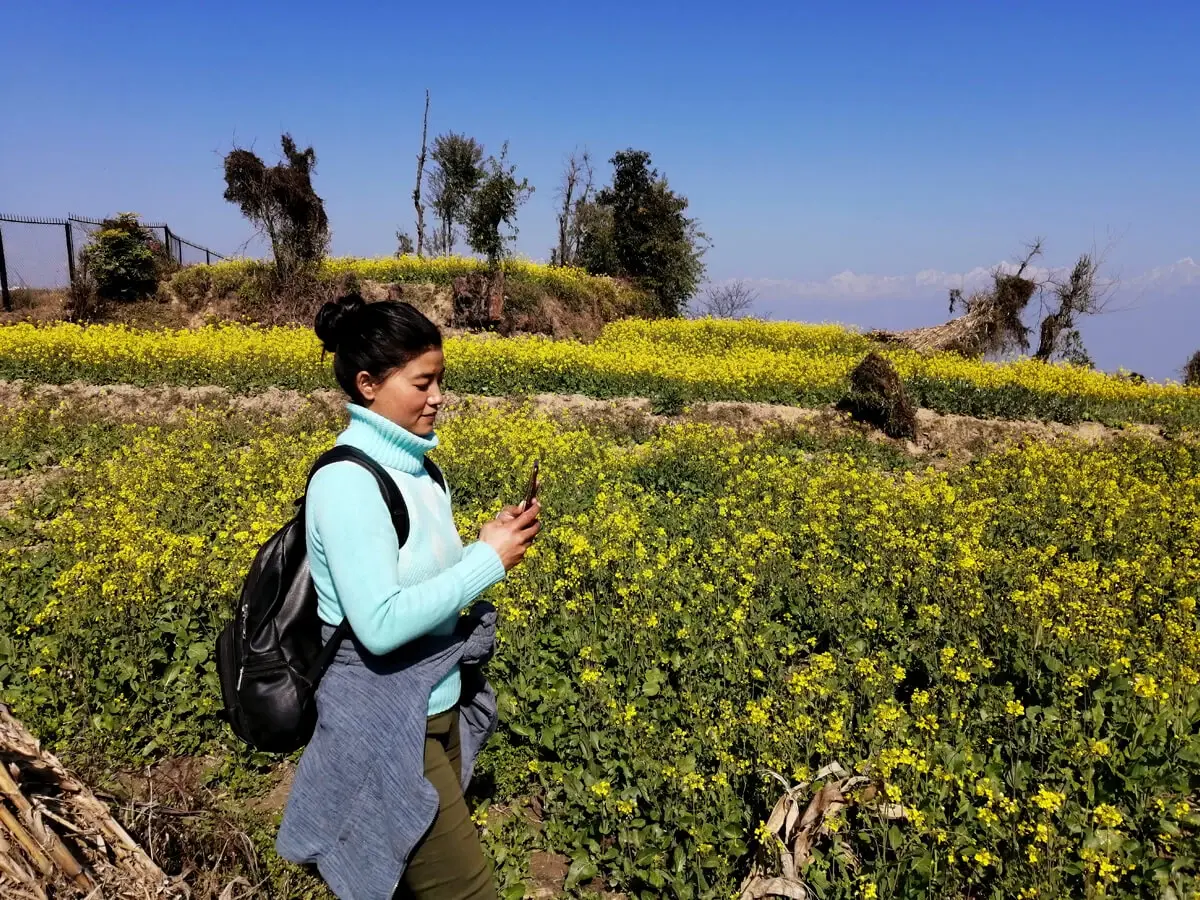
Spring: March to May: Shedding of winter wildflowers, obliterated tree coverage, and ideal weather
Autumn: September to November: Weather and underwater visuals of mountains are magnificent and matched with crisp clear skies.
If you are someone who prefers dry trails and clear views then best not visit during the monsoon season of June, July, and August.
Practical Advice for a Good Day Out
Footwear: Comfortable, reliable walking shoes or boots with a grip.
Clothing: Loose-fitting, loose clothes, and an extra layer as a raincoat
Water and Refreshments: Own water and at least 2 litres, and refreshments
Camera: Remember to take photos of scenery and village views.
Respect: Be quiet and respectful where prayers are being read, take off your shoes, and be quiet.
Overnight stay at Balthali if possible.
Conclusion: A Whole Experience in a Day
Namobuddha-Balthali-Panauti trek is a hill trek and something more, a journey to the soul of Nepal. There is something here for everyone, a moment in the Buddhist ethos of hospitality, a moment in the poetic asceticism of an off-the-beaten-path village existence, and the richness of a medieval newari town culture.
If you are an inexperienced trekker or an experienced trekker eager to accomplish a short trekking experience near Kathmandu, the present trekking tour will make you excited and enthusiastic. contact us today at Happy Mountain Nepal, on Facebook, Instagram, or TikTok.
FAQs
1. How long is Namobuddha–Balthali–Panauti hiking?
4–6 hours of walking duration, depending upon your walking speed and resting frequencies. It’s a Namobuddha to Balthali trek, followed by Khopasi and Panauti.
2. I s this hiking in for starter or not?
Yes. A straightforward and uncomplicated starter hike with regular trails, negligible height gain, and regular resting stations.
3. How do I get to Namobuddha from Kathmandu?
Namobuddha is about 42 km (1.5 hours’ drive) from Kathmandu. Drive your car, taxi, or local transportation via Dhulikhel.
4. What are the best times to do this hiking?
Spring (Mar-May) and autumn (Sep-Nov) are ideal with fine weather, moderate temperature, and lush vegetation.
5. Is it possible to do the trek on a day hike from Kathmandu?
Yes. It’s a great day hike. Overnights at Balthali are more of a cultural experience and have better views of sunrise, though.
6. Is there lodging at Balthali?
Yes. A few homestays and guesthouses in Balthali village are run by local Newar or Tamang families.
7. What should I bring on the hiking?
Hiking boots, hat, sunscreen, rain jacket (seasonal), water, and snacks, topped off with a camera.
Layers get washed away when it rains.
8. Should I hire a guide to attempt this hiking?
Although the trail is well marked, using a local guide will make the experience better because they will tell you about culture and ensure that you don’t miss the peaceful spots.
9. What are the cultural highlights of the trek?
The trek includes Namobuddha Monastery, Tamang and Newari villages, and Durbar Square and old Hindu temples of Panauti, Buddhist and Hindu heritage.
10. Is this hiking child-friendly ?
Yes, the easy track and culture exposure render the journey a great family trek to which children aged 6+ years who have an interest in walking and watching nature can join.