
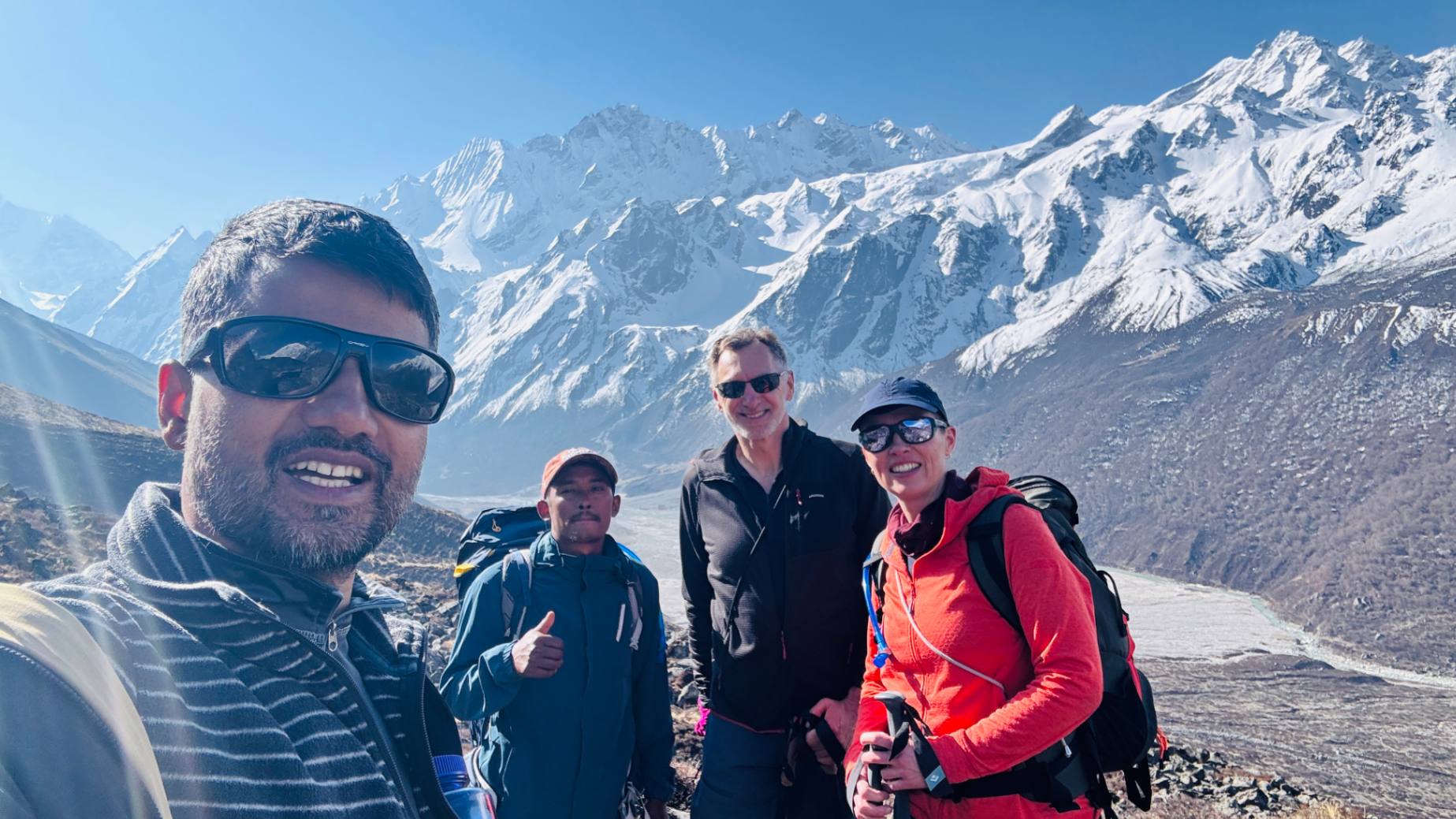
Langtang Valley Trek: A Journey Through Remote Landscapes
Langtang Valley Trek offers a great opportunity to explore one of the off-the-grid and remote areas in Nepal. Away from Kathmandu’s periphery, the trek remains independent in its rural, unexplored terrain, breathtaking high altitude scenery, multifaceted society, and tranquil asylum in Nepal’s more established treks. For experienced trekkers and beginner trekkers, the Langtang Valley Trek will remain with you.
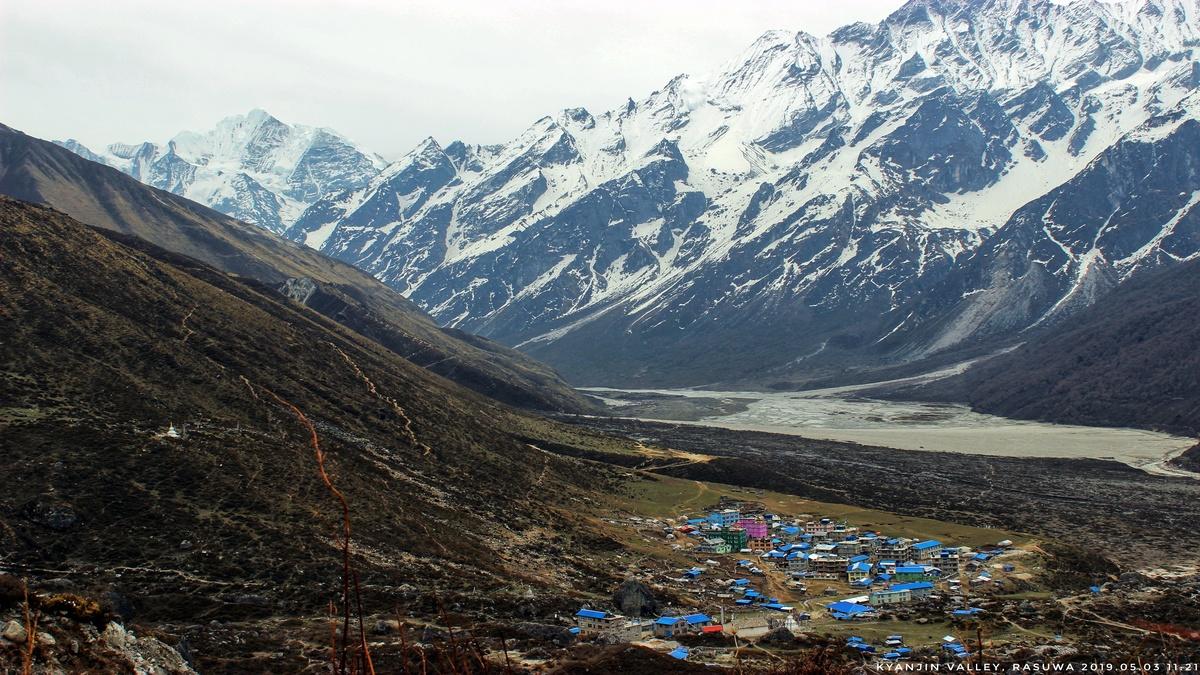
Overview: Langtang Valley
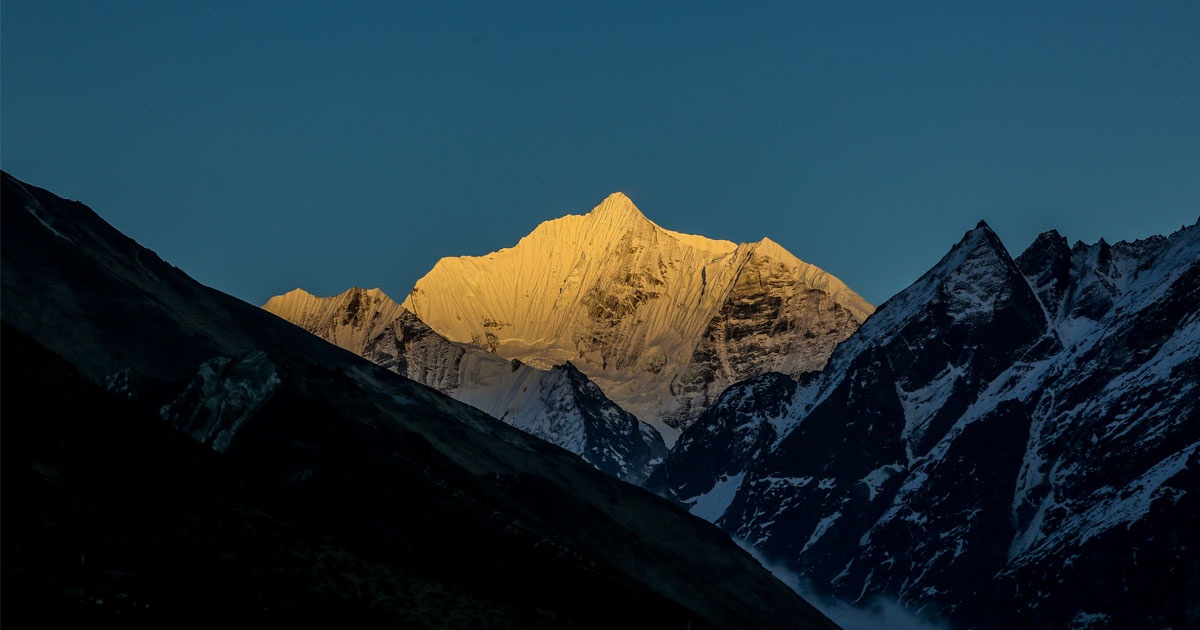
Langtang Valley lies in Langtang National Park, central Nepal, on the India-Tibet border. Langtang Valley is also referred to as the ‘Valley of Glaciers’ because the valley contains many glaciers. Treks provide you with a mix of landscape from forest, grassland, to hill mountain landscape and good views of white-piped mountains like Langtang Lirung (7,227 m), Ganchenpo (6,387 m), and Kimshun (6,365 m).
Why Langtang Valley Trek?
Langtang Valley is less crowded than some of the more popular treks like Annapurna and Everest Base Camp. It is one of the off-the-beaten-path treks that people must do in order to experience the Himalayas without the crowds found on some of the other Nepal treks.
Apart from the stunning natural beauty, the Langtang Valley Trek also offers trekkers the opportunity to immerse themselves in the unique culture of the Tamang and Sherpa communities that inhabit the region. With its remote landscape, you’ll feel like you’re trekking through untouched wilderness, and the welcoming hospitality of the local people only adds to the charm of the journey.
Best Time to Trek Langtang Valley
March to May (spring) and September to November (autumn) are the best seasons for the Langtang Valley Trek. These seasons are the best time of the year in terms of the weather when it is clear skies, good temperature, and good scenery of the mountains. The trails are not so muddy during these seasons, too, so the trek is comfortable and easy-going.
The monsoon season of June, July, and August must be avoided since it carries the risk of triggering factors leading to more landslides, and the winters (December, January, February) are too chilly for most of the trekkers with below-freezing temperatures and deep snow.
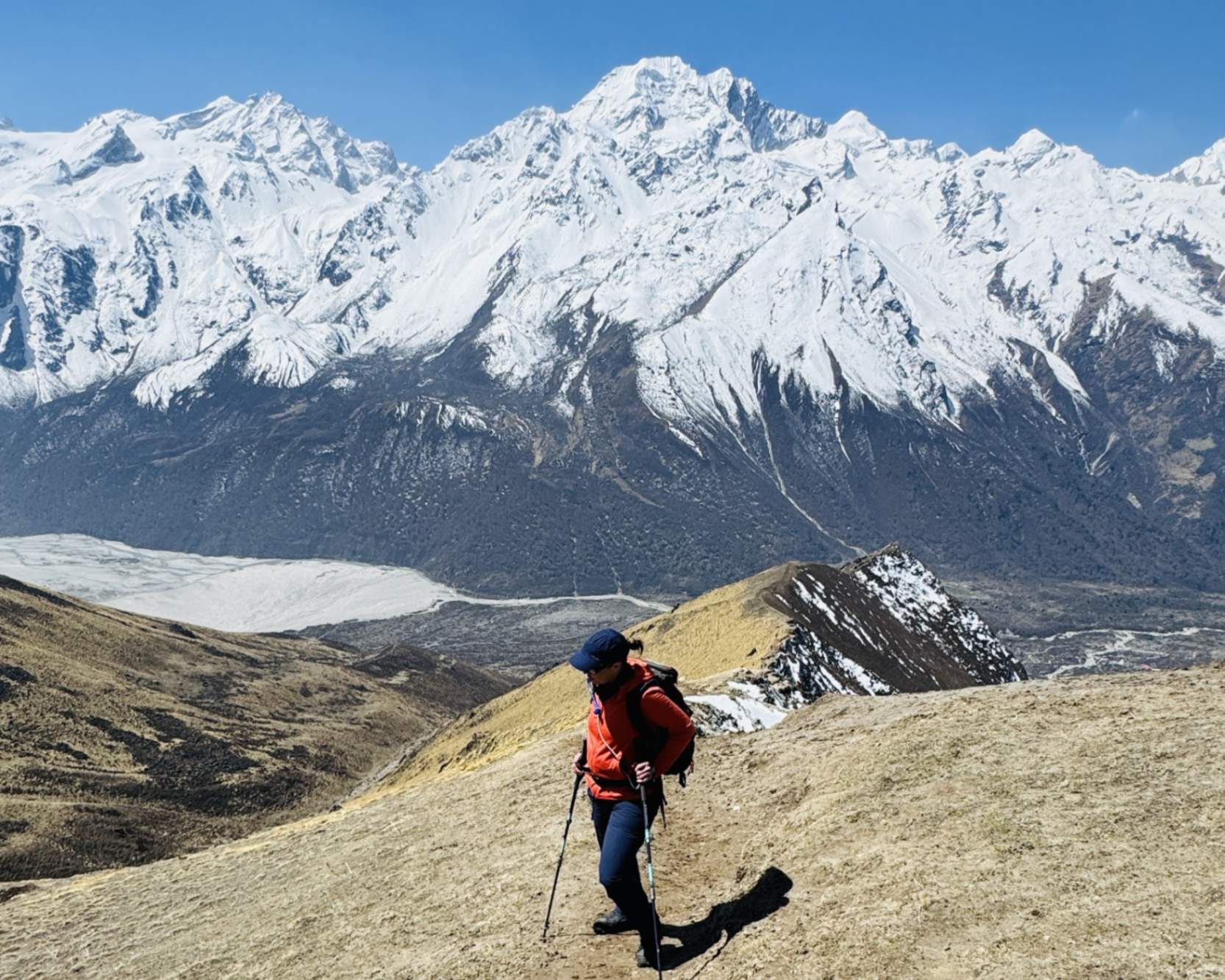
Langtang Valley Trekking Route
Langtang Valley trek is performed in 7-9 days based on your own time and schedule available at your disposal in the region. The trek may be undertaken in various sections:
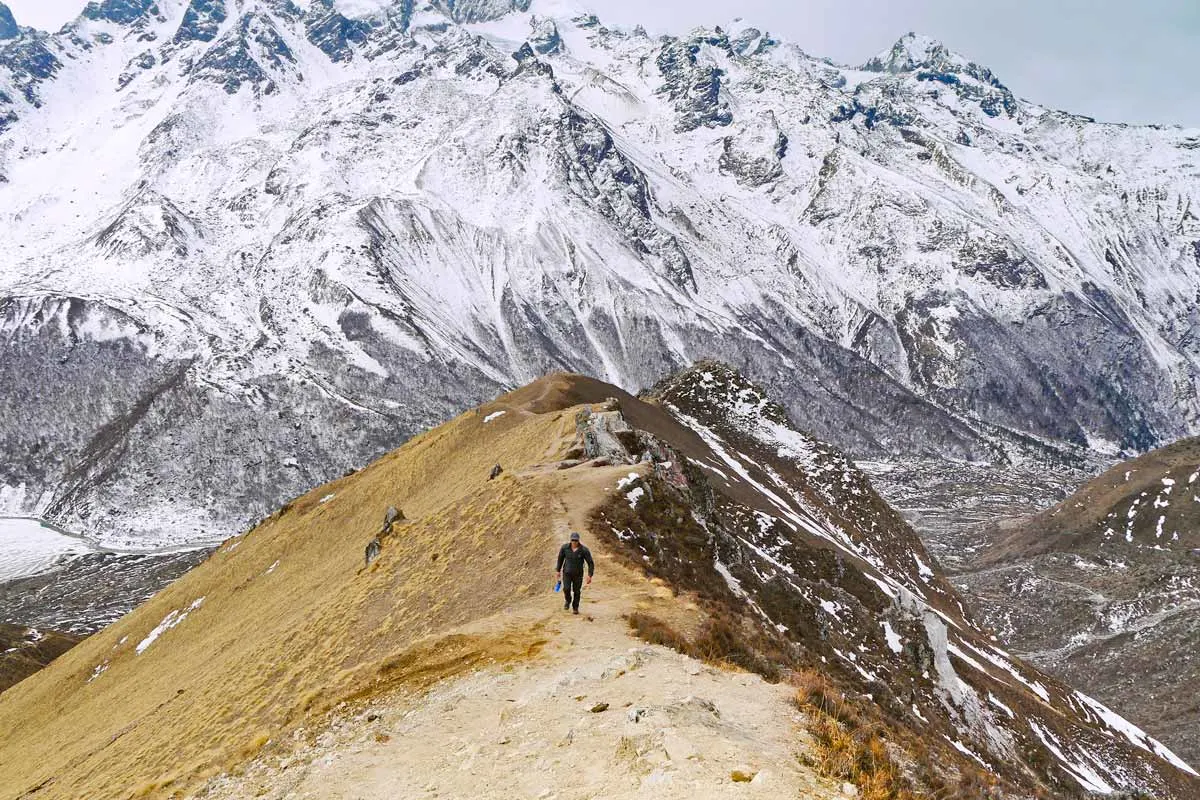
Day 1: Syabrubesi to Kathmandu
You start with the drive from Kathmandu to Syabrubesi village, the beginning of the Langtang Valley Trek. It is via scenic countryside, a glimpse of the field terraces, rivers, and villages.
Day 2: Lama Hotel to Syabrubesi
The second day of your hike is from Syabrubesi to Lama Hotel, a small resort 2,480-meter hill. The hike is in oak and rhododendron forests, extremely dense with no or little view of Langtang Lirung on the way up.
Day 3: Lama Hotel to Langtang Village
Day 3 hike to Langtang Village, 3,430m. View opens up gradually as one emerges from forest and alpine meadow grazing land. The closer one gets to Langtang Village, the more spectacular views of Langtang Lirung mountain, a huge peak.
Day 4: Langtang Village to Kyanjin Gompa
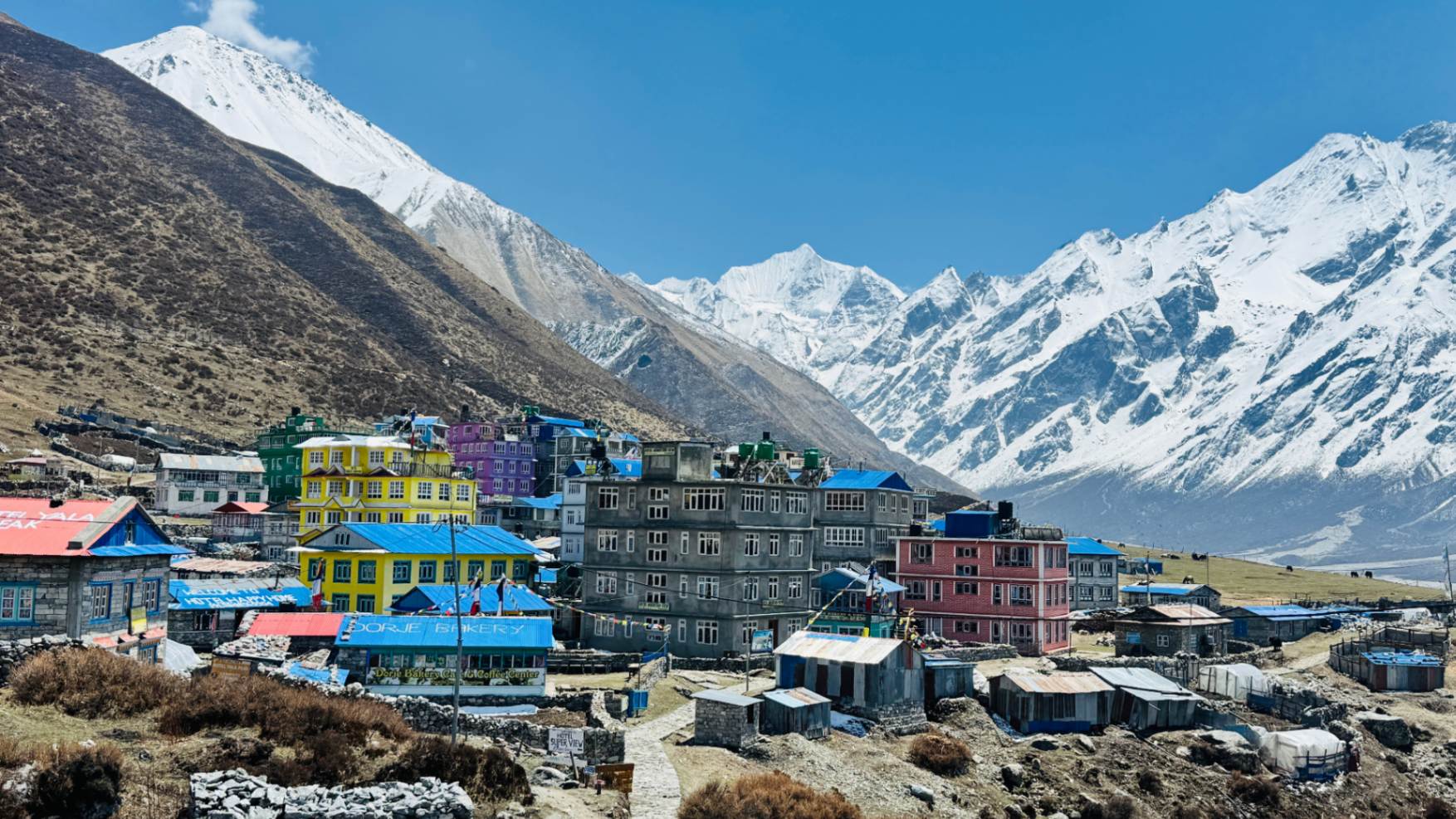
The pièce de résistance of trekking is trekking from Langtang Village to Kyanjin Gompa. Kyanjin Gompa is a cluster of monasteries at 3,870 meters above sea level, and you have fine views of neighboring peaks such as Langtang Lirung, Kimshun, and Ganchenpo. You even get a cheese factory where you can purchase some fresh yak milk cheese.
Day 5: Kyanjin Gompa and Around
Aside from a couple of them, no one will need an extra day to visit Kyanjin Gompa when they arrive. Tsergo Ri (5,000 meters) may be climbed and visited on foot to observe the Langtang range, or take a walk around the monastery and be serene. Acclimatization and resting will have to wait until the day.
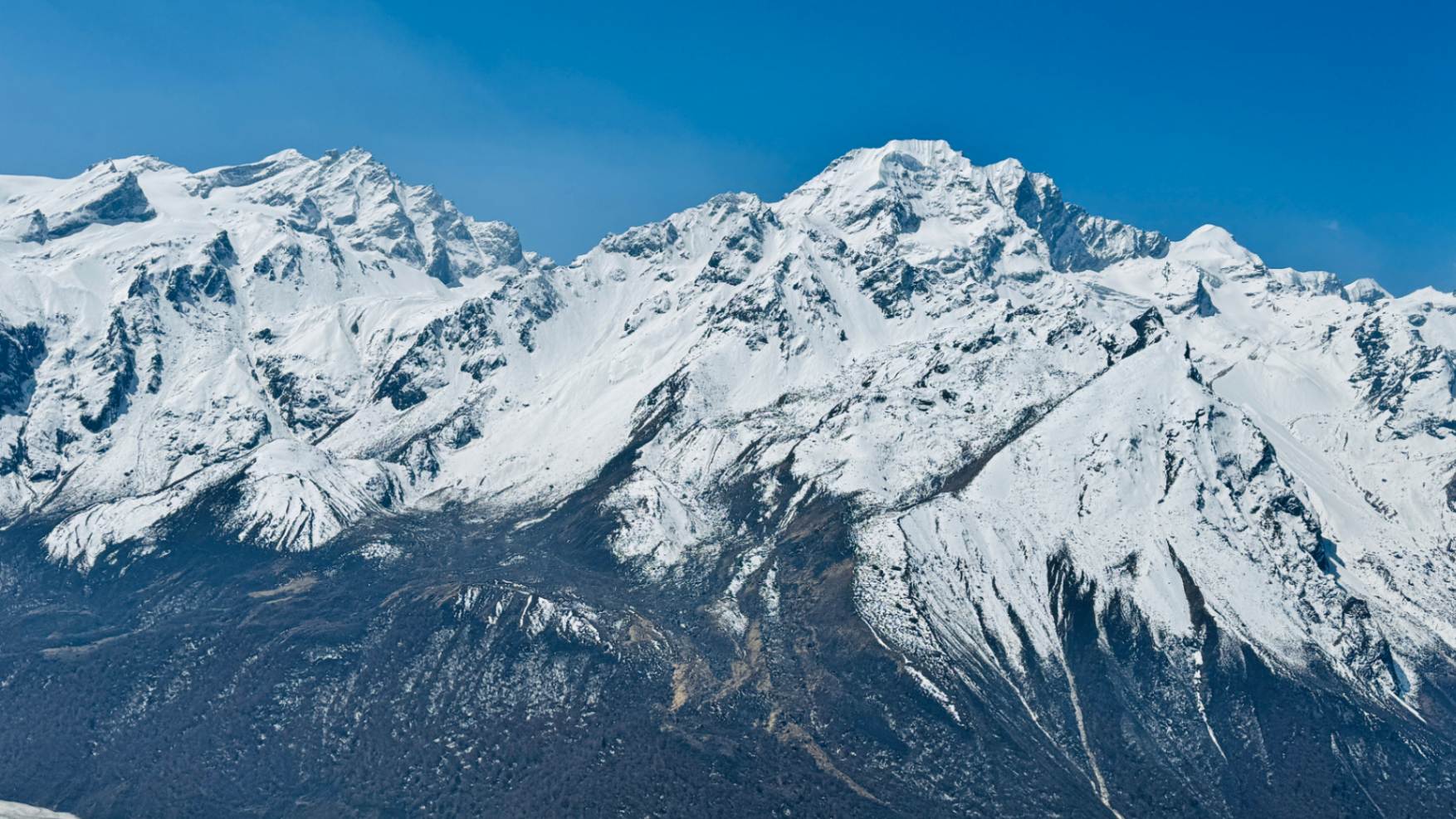
Day 6: Lama Hotel to Kyanjin Gompa
After the day hike, start to descend to the Lama Hotel. Descending is the time to enjoy the beautiful scenery and the peacefulness of Langtang Valley.
Day 7: Lama Hotel to Syabrubesi
On the final day of the trek, trek downwards to Syabrubesi, and one can relax and rest after a successful trek. It is the reverse way you ascended, but it will give another good view of the location due to descending.
Day 8: Bus journey from Syabrubesi to Kathmandu
Drive back from trekking to Kathmandu in the bus. Free evening and allow your thoughts wander back on your fantastic Langtang Valley tour.
What to Expect On the Langtang Valley Trek
Langtang Valley Trek is equal parts sensory and spiritual discovery of Nepal’s natural beauty and cultural heritage, and a colorful trekking adventure between its peaks. In store is another revelation of what awaits on the trail:
Scenic Beauty: An Ever-Present Companion
But another Langtang Valley Treking highlight is size changing landscapes. And also, you’ll be able to trek through size changing placed ecological zones as you ascend, which all differ in beauty and character.
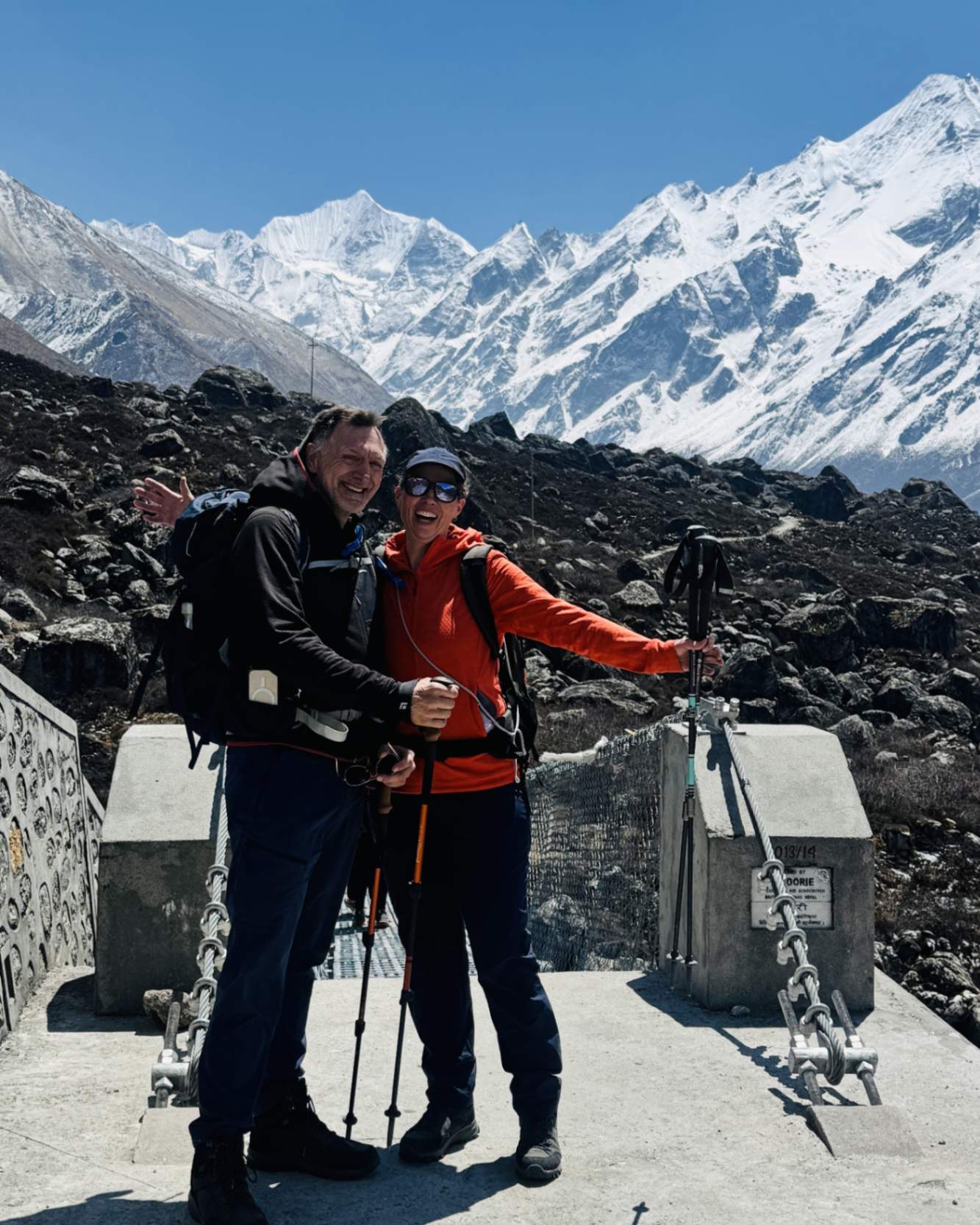
Rhododendron Forests:
Thickly covered rhododendron forest dominates the trail at some points, covering it throughout the route at lower altitudes. In the event of the overlap of trekking seasons in springtime (March to May), there are high chances of viewing the trees in bloom in a palette of pinks, reds, and whites covering the country in all its glory.
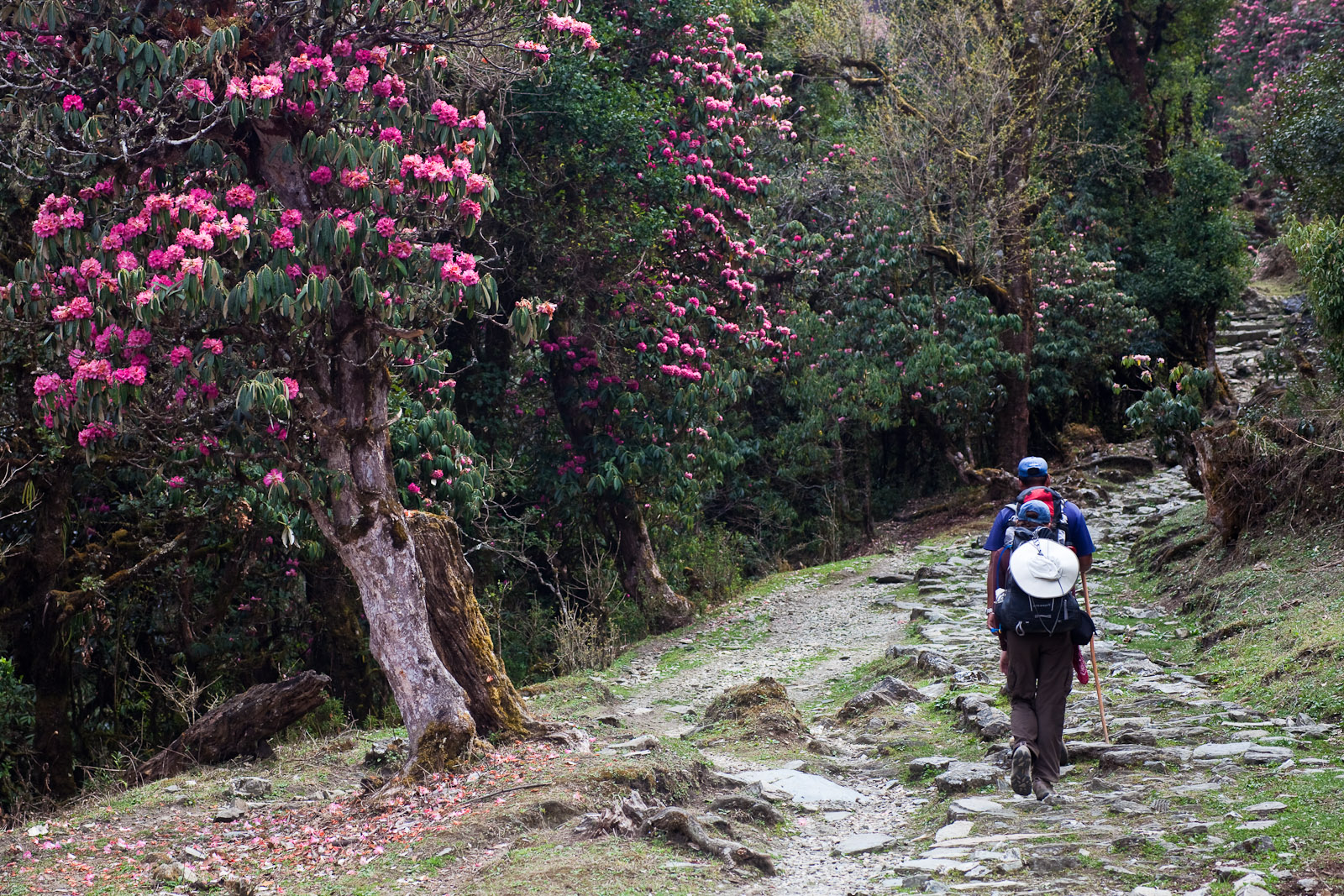
Rivers and Waterfalls:
The trail is largely river-sided, and the rivers are supplied by Langtang range’s melt-down. Cross wood suspension bridges and hear the soft tap of running waters. Whims of falling waterfalls either between or after rains provide the whole scene with a near divine appearance.
Alpine Meadows:
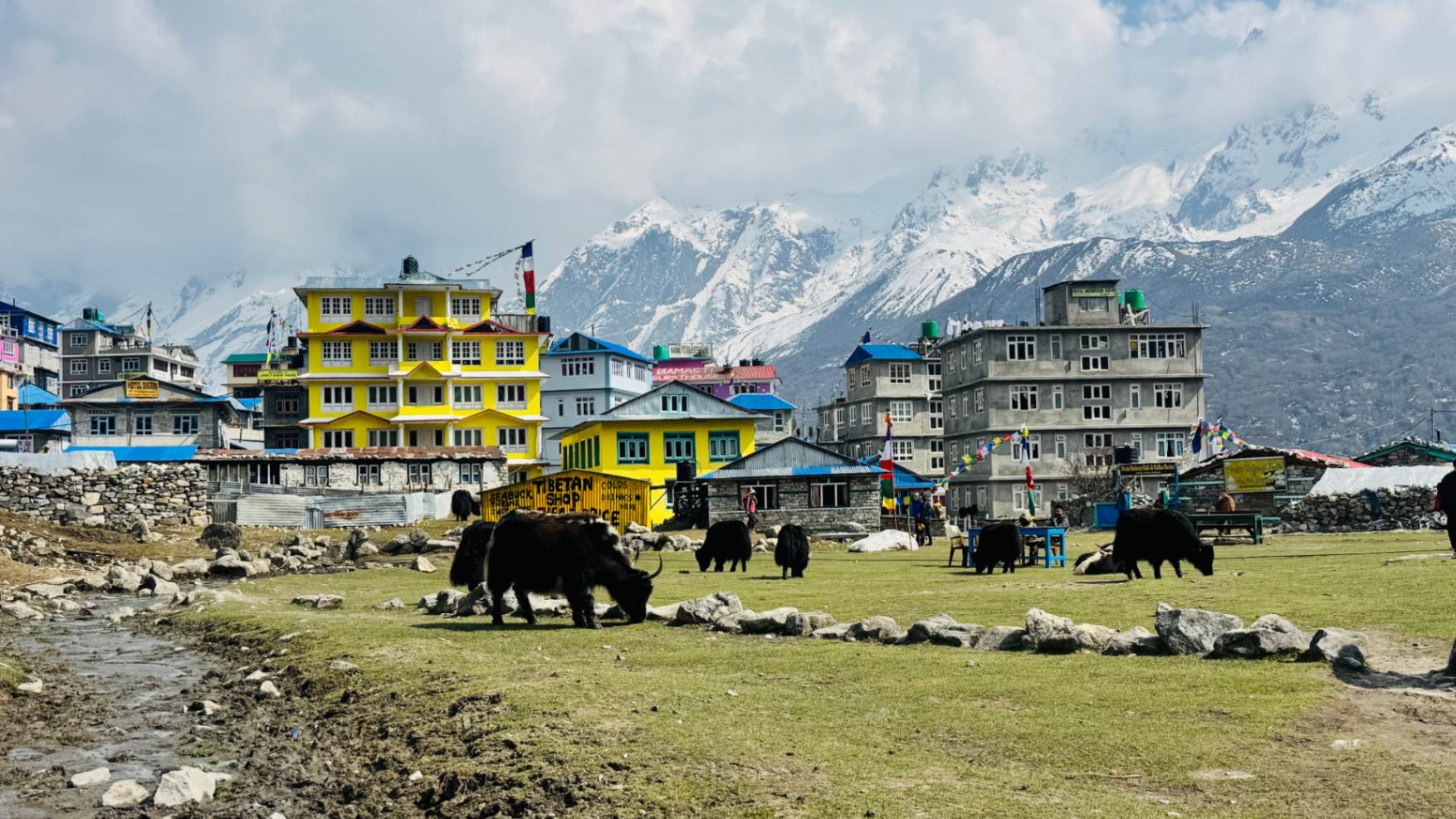
Higher still, the land is wider and is made up of alpine meadows and grass slopes with splendid scenery of the gigantic mountains. Yaks and other domesticated animals graze across the meadows, adding to the countryside character of the place even more.
Mountain View:
Langtang Valley is surrounded by the loftiest of the range, i.e., Langtang Lirung (7,227 m), Kimshun (6,365 m), and Ganchenpo (6,387 m). These mythic hills surround you and you on the trekking trail and step by step increasingly overshadow you before Kyanjin Gompa. From Kyanjin Ri (a famous viewpoint near Kyanjin Gompa), you gaze at the whole length of Langtang in the far horizon. Something which will make an indelible imprint on your mind.
Cultural Encounters: A Sip of Local Life
Local Langtang Valley people are comprised of the Tamang, native ethnic villagers, who happen to be Tibetan Buddhists. You trek village to village, and what you will be viewing is a way of life that centuries ago never abruptly came to an end. What you will be able to look forward to viewing is:
1. Classic Villages
Langtang Village and Kyanjin Gompa are real villages with cottages built in the traditional stone and waving prayer flags manner. Tibetan construction is still largely preserved in flat-roofed fashion, wooden beams, and finely cut-out windows. It is like sleeping in another world
2. Buddhist Monasteries
There are several Buddhist monasteries and stupas along the trek. Most popular of them is Kyanjin Gompa, which is a very small but lovely monastery at the end of the trek. These monasteries provide you with an understanding about people’s religion and culture. You even get to see Buddhist monks and locals performing prayers or rituals in monasteries.
3. Welcome Hospitality:
Sherpa and Tamang people are extremely well known for their welcome hospitality. Though the destination is nowhere, there are human beings, and they are extremely welcoming. You will have tea houses or their house where you can sit back and relax and enjoy a hot cup of tea or snacks, and that destination where you get a chance to witness their lifestyle, religion, and daily routine. They will give you mountains and way of life and religion, Buddhist.
Wild Fauna and Flora: Diversification of Nature
Langtang National Park is extremely diversified. You encounter various fauna and flora while trekking, and all of them are endangered species.
- Wildlife- Langtang National Park is inhabited by some of the wildlife, in the form of a cozy little family of animals, or at least the Himalayan tahr (mountain goat), the shy but fortunate little family of red pandas, and the Himalayan black bear. The birdwatcher would not go out of her mind among all that humankind and go hiking off, because the birds themselves would amble around and offer up some fashionably designed Danphe birds to romp with.
- Flora- Flora- It is also beautiful. In addition to the rhododendron woods that you will be walking through, you’ll walk by magnolia trees, juniper, and other vegetation of the alpine variety. Higher up on the trail, you can begin to notice that the vegetation starts to thin out, with scrub brush and hard grasses starting to take hold on the rocky mountain landscape.
- Glaciers and Icefalls- When going down from Kyanjin Gompa, while trekking, there are not enough glaciers and icefalls to be able to gaze at nature for her raw beauty, or so the argument goes for some. One of the better glaciers that is an exception to the rest is the Langtang Lirung Glacier which has vertical ice and snow menacingly coming down hill hill slopes.
Spiritual Sites: A Deep Connection with the Himalayas
If you are in front of the Langtang Valley, apart from receiving a cool, dashing sole goddess, you receive a very religious valley. The people around the Langtang Valley would be very religious in nature. There are just too many examples of religious hotspots and points of interest, and tourist spots to be seen available spread all around the region of the Langtang valley.
Kyanjin Gompa: The Middle monasterie of Langtang Valley is the nice resting spot for you, trekkers. Stroll by from the monastery boundary field, sit and rest here and turn back and view all the body efforts you are putting and once again enjoy the view. Monastery views provide a good view of Langtang Lirung peak mountain and chortens and stupas around this.
Prayer Flags and Stupas: There are some prayer flags with mantras along the route to the monastery. The prayers are believed to be carried by the wind to the gods. There are some prayer stupas along the route, reflecting the religious sites along the route.
Tsergo Ri: For those with enough energy to hike over the monastery and higher still, Tsergo Ri (5,000 meters) is another lofty favorite destination which has even more stunning Langtang valley and mountain scenery. It’s at Tsergo Ri that there is a collection of mixed Buddhist prayer flags and rock piles, so it’s a sacred sacred site for local Langtang people and trekkers.
Challenges: Physical and Mental Toughness
While the Langtang Valley Trek is not nearly as strenuous as some of Nepal’s more popular treks, like the Everest or Annapurna Circuit treks, there will still be some physical and mental conditioning.
- Altitude: The greatest danger of the Langtang Valley Trek is altitude. The body will get used to the lack of oxygen at high altitude in the long term. Thus, in order never to fall sick because of altitude sickness, it is very important to ascend slowly, take many breaks, and exercise utmost caution on symptoms of giddiness, headache, or nausea.
- Weather Conditions: Weather in Langtang Valley is very unpredictable. Although autumn and spring are the best seasons to trek, there would be rain and snow at times, which would serve as an obstacle to your plan. It is always safer to expect the possibility of any such weather fluctuation to occur and carry necessary equipment with you, especially at the higher altitude of the trek.
- Steep Slopes: There are several steep up and down sections of the trek, and that is the essence of the trek, especially to Kyanjin Gompa. Despite well-marked trails, the trekker will need to exercise caution and walk on rocky or slippery trail sections.
A Solitary and Tranquil Experience
The only aspect of the Langtang Valley Trek that actually sets it apart from all the others of the Nepal treks, however, is the sense of solitude and silence that permeates the region. Being as near to Kathmandu as it is, though, the valley itself is out-of-the-way and out-of-reach, with no other trekkers on the path if any. With the huge crowds dissipated, naturally, you can now get reconnected with nature and experience the tranquility of the Himalayas.
From the white-tipped mountains to the friendly locals, Langtang Valley Trek is a complete enriching experience as much physical, cultural enriching, and spiritually introspective.
Accommodation and Food
Accommodation on the Langtang Valley Trek is tea houses, simple lodges with simple food and lodging. It is a dorm with a bed and blankets, but it is also wise to bring your own sleeping bag for extra comfort. Tea houses also have good local food, like dal bhat (lentil soup and rice), momo (dumplings), and Tibetan bread.
Fitness and Preparation
Langtang Valley Trek is challenging but moderate in level due to the steep portions of the trekking trail and altitude. Trekkers prepare for the trek by engaging in some strength exercises and cardiovascular exercise, and will get endurance and stamina prepared. Acclimatize and do not suffer from altitude sickness; hence, go slowly and drink plenty of water while trekking.
What to Bring for the Langtang Valley Trek
Langtang Valley Trek preparation requires careful planning with regard to the trek conditions. Among the items to pack are:
- Good sleeping bag (one that is cold rated)
- Ankle-supported hiking boots
- Waterproof but light jacket
- Warm fleecy layers
- Hat, gloves, and sunglasses
- Sunscreen and lip balm
- First aid kit and altitude sickness pills (if taking them)
- Water bottles or ha ydration system
- Snacks and energy bars
Conclusion: A Truly Remote and Beautiful Trek
Langtang Valley Trek is a different experience altogether of Nepal’s stunning landscape, rural seclusion, and cultural diversity. Its stunning mountain scenery, peaceful villages, and hospitable residents are the reasons why trekking is best suited for those tourists who would like to be surrounded by the pristine majesty of the Himalayas without the throng of people that flock to other trekking places. If you are planning a hill holiday or just want to unwind, the Langtang Valley Trek is a vacation that will be the most memorable one in your lifetime. Contact us today at Happy Mountain Nepal, on Facebook, Instagram, or TikTok