
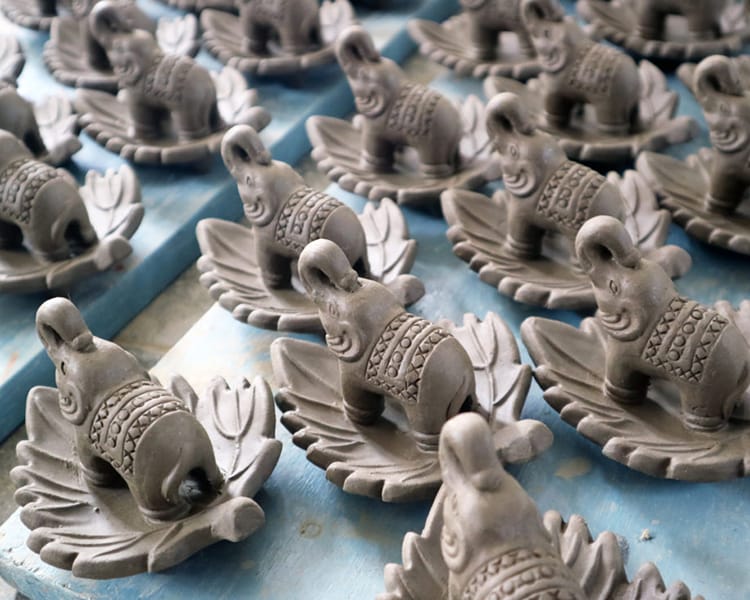
Is Pottery Workshop Tour Really Worth It?

In New York, I work for 14 hours a day, have numerous Zoom calls, and screens that glow. I came to Nepal for a break from that and to breathe, possibly find a slow meaning of too. Included trekking and nature healing in my plan. I wanted to discover a culture, something real, something to wake me differently. There I was, in Bhaktapur, walking into the famous Pottery Square.
I felt as if several hundred years had disappeared. Open courtyards held clay pots laid out in the sun, in rows of neat clay laid out to dry, and artisans on their wheels, sitting cross-legged, hands moving in swift, supple lines from daily use of the clay pots. There was no hurry, like life in traditional Nepalese villages, and the only things you could hear were the wheel spinning and clay forming with love taps, assuring it had not yet turned out to be either useful or useless.
I could not take my eyes off it. And decided to attend an in-person pottery class. I thought it would be a touristy sort of thing to do, and a fun little story to take home. I didn't think much of it until I sat down at the wheel with wet clay in my hands. My instructor, a quiet type and probably someone who has made thousands of pots, simply said to me: "Don't force it, let it happen." Those were easy words to say out loud, but they cut right into me. I really twisted my pot the first time, and all the clay would do was tilt and scrunch back down on itself. I nervously laugh to myself, and instead of punishing me, he merely shakes his head. It was as though he accepted my errors as part of the process.
For the second time, I took a breath, pressed my hands down with less brute force, tried to let go of engaging the conditions to make the perfect pot, and just focused on the feel of the mold of clay. And something slowly started to surface. Maybe awkward, maybe imperfect, but it was something.
Time ended to exist, finding myself not consumed by my tasks, dreading deadlines, or wondering what is next in my life. The only thing I was focused on was the spinning wheel in front of me and the wet clay in my hands. It was blissfully simple and almost reflective, a true digital detox experience.
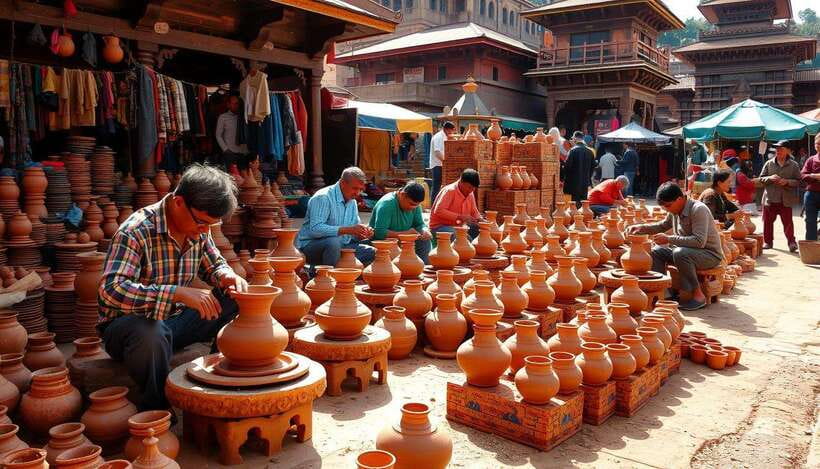
Every time that wheel turned, I felt as though I was making myself more present. It made the square of old brick houses and pots drying around me feel like it was a quiet little universe where I had slowed the speed of time. And at the end of the day, I ended up with a bowl made of clay. Certainly, it was not a pretty bowl it leans a little crooked on one side and is still covered in my fingerprints, but it was my bowl. And more importantly, it was a therapeutic experience.
I always find myself using sales figures or deadlines, but this was a humbling realization of productive activities. To answer your question, was the pottery workshop in Bhaktapur worth it? A thousand times, yes. I didn't just create a bowl; I created an opportunity for peace. I engaged with a craft that has existed in this part of the world for centuries. And I walked away with a recollection that feels heavier than any souvenir. Sometimes the most impactful journeys are not about summiting peaks. But about shaping a piece of clay in a quiet square. Under the Nepali sun, with your hands caked in dirt.