
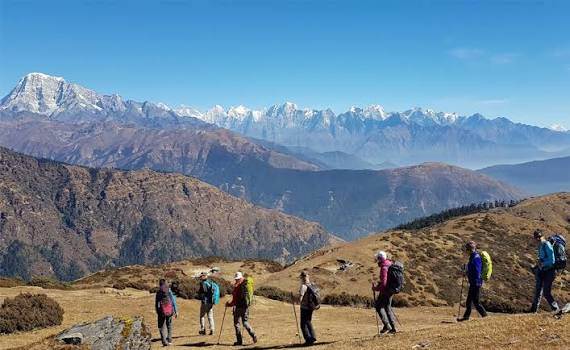
How Fit Do You Need to Be for a Trek?
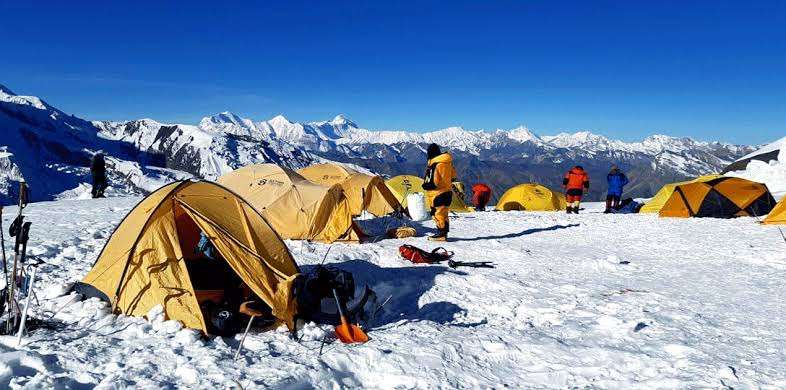
The Himalayan trek is a once-in-a-lifetime experience in Nepal. Every step will provide something special for them, from walking through beautiful forests, traditional mountain villages, crossing high mountain passes and experiencing amazing views of the Himalayas. When you're considering doing Everest Base Camp Trek, Annapurna Circuit Trek, Mardi Himal Trek or any other trek in the Himalayas, one of the most important questions you will ask yourself before you begin your trek is how fit do you have to be to make it to the trekking?
A lot of people think that they need to be extremely fit or trained to be an athlete or have mountaineering experience to trek in the Himalayas. But this isn't always the case. Most trekking routes in Nepal are suitable for anyone who is interested in trekking, regardless of their level of fitness. You need to be physically fit and well-prepared, have mental reserves and be prepared to walk for many hours a day.
The level of fitness needed depends on the trek location, height, length, difficulty, and amount of walking you'll be doing per day. Some walks around Pokhara are short and easy and require just basic fitness while others are more difficult and are high altitude walks that will need more fitness and preparation.
Knowing your fitness level prior to departing on your trek can make it safer, more comfortable and enjoyable.
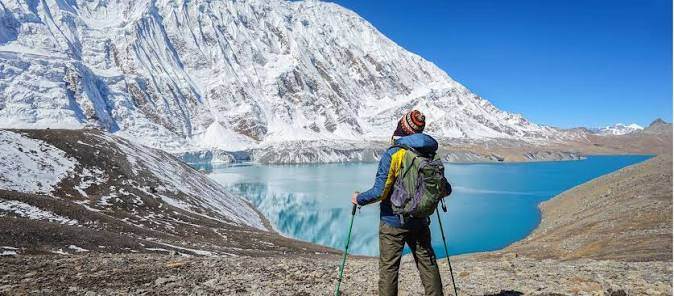
Is it too difficult to be extremely fit in order to trek in Nepal?
The easy response is no. They can't be all that fit to trek in Nepal. But be prepared to walk a long time, often along rough, steep mountain paths, to do this, you must have enough stamina and physical strength.
In Nepal, trekking trails are mostly 4 to 7 hours of walking every day. There are occasional tough itineraries where more walking time may be needed. The paths often feature sections where one must step over rocks, climb up and down a hill, cross a stone staircase, fly across a bridge, and a rocky path.
When you're walking on a flat road, it's not the same story when you're walking a mountain trail with changes in elevation. Your whole leg, knee, lungs and circulatory system are used throughout the trip.
Aim to take up a manageable trek and build up fitness before taking up longer or more challenging treks.
You should be able to walk for a few hours without being really tired. The ability to climb and walk uphill and carry a small daypack should also be possible.
Remember that trekking is not a race. Walking at a comfortable pace, taking regular breaks, drinking enough water, and allowing your body to adjust to altitude are more important than walking quickly.
What Level of Fitness Do You Need for Different Treks?
Not every trekking destination requires the same level of physical preparation. Some routes are suitable for beginners, while others require previous trekking experience and stronger endurance.
Here is a general overview of fitness requirements for popular trekking destinations in Nepal.
1. Easy Treks
Easy treks are ideal for beginners, families and those wishing to enjoy the majesty of the Himalayas without an arduous journey.
Popular options include:
Ghorepani Poon Hill Trek
Ghorepani Poon Hill Trek is among the most sought after of the short treks in Nepal. It has stunning views of the mountains, authentic Gurung villages, and a spectacular viewpoint of the sunrise from Poon Hill.
While it is regarded as a moderate hike by many operators, it is achievable for the beginning climber if he or she is adequately fit for the hike. The steepness of some sections, especially around Ulleri, make these steps a challenge to make.

Australian Camp Trek
Another great alternative for the novice is the Australian Camp Trek. It provides a wonderful view of the Annapurna mountains and can be finished quickly.
This trek doesn't require advanced physical training. For most healthy beginners, basic aerobic activity and walking should be enough.
This is a trek from Nagarkot to Dhulikhel.
If you are seeking a moderately leisurely hike in Kathmandu, this hike is perfect for you. The walk visits traditional settlements, green hills and beautiful landscapes.
It's a basic fitness level and you should be able to enjoy this experience.
2. Moderate Treks
Moderate hikes demand greater endurance, stamina and leg strength, as well as capable of walking for several hours a day.
Popular examples include:
Mardi Himal Trek
The Mardi Himal Trek is a scenic journey through the Himalayas, featuring scenic trails and forests.
Walking on the route is continuous uphill, steep and narrow mountain trails. Be ready to walk around 5-7 hours on some days of a trek, depending on the route.
Annapurna Base Camp Trek
The Annapurna Base Camp Trek is a multi-day hike that takes you through a series of stone stairs, stone walls, forests, mountain villages and river valleys.
Trekkers should have a reasonable level of cardiovascular endurance and leg strength. It is important to be prepared for the changing elevations and long days for walking.
Langtang Valley Trek
Another popular trek area for visitors is the Langtang Valley Trek, offering stunning mountain views and a chance to meet the local people.
The trail is definitely established, but does involve some days of uninterrupted walking and some mild uphill grades. Moderate fitness level is recommended.
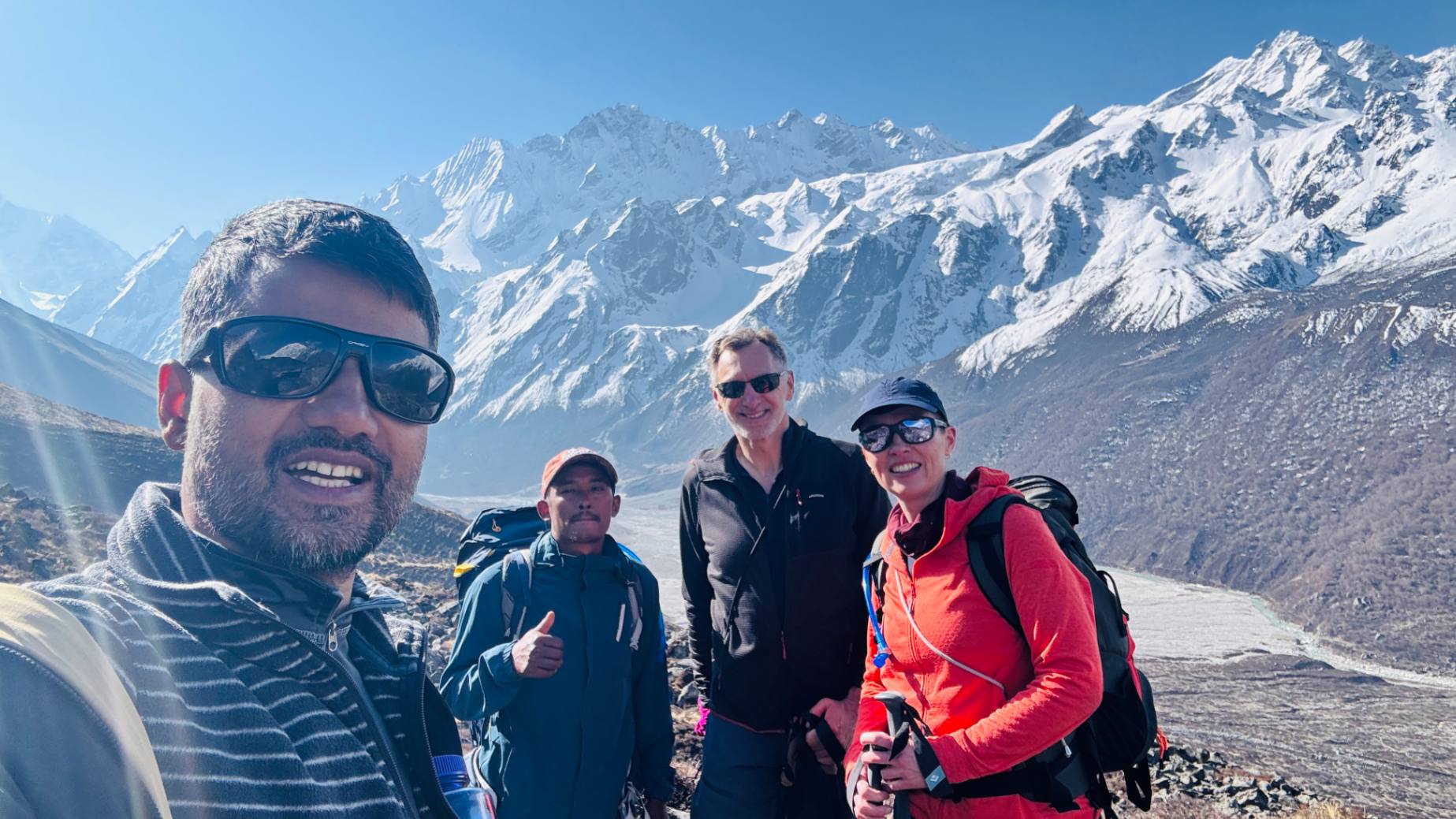
3. Challenging Treks
Challenging treks demand more physical effort, mental strength and knowledge of high altitude conditions.
Popular examples include:
Everest Base Camp Trek
One of the most popular treks in Nepal is the Everest Base Camp Trek. It guides trekkers through Sherpa villages, suspension bridges and the Khumbu region and through the amazing landscapes of the Himalayas.
Normally a walk of 5-8 hours/day is required, depending on the route and trail conditions.
Good cardiovascular endurance, strong legs and ability to carry out days in a row of walking.
Some prior trekking experience is useful but not required.

Annapurna Circuit Trek
The Annapurna Circuit Trek is a rigorous trek through various terrain, high altitude villages and the famous Thorong La Pass.
Thorng La Pass (5,416m) is a crossing to be made with due preparation and acclimatisation.
Hikers need to be able to walk for long periods, go uphill and downhill and handle the weather.
Manaslu Circuit Trek
Another challenging trek in the Himalayas is the Manaslu Circuit Trek. This is a trek through the remote trails of the mountains, long walking days and crossing Larkya La Pass at about 5106 metres.
It is important to have good stamina, physical endurance and mental determination to complete this trek comfortably.
Keep in mind fitness classifications are general guidelines. The degree of difficulty varies with the route, weather, elevation, terrain and the individual's state of health.
What Physical Abilities Matter Most for Trekking?
You do not need to develop every muscle in your body before going trekking. However, certain physical abilities can make a significant difference in your overall experience.
1. Cardiovascular Endurance
Cardiovascular endurance is one of the key components of trekking fitness.
Your heart and lungs are constantly pumping to carry oxygen to your muscles while you're on a trek. It may be harder to breathe when walking uphill and on elevated terrain.
Walking, jogging, cycling, swimming and step aerobics are examples of activities that can help to increase the fitness of the heart and lungs.
Do shorter sessions and build up to longer and harder sessions.
2. Leg Strength
Your legs are doing the job of carrying your body weight on the trekking journey. Well-developed muscles in your legs will enable you to climb up hill, walk down hill and hold on to the trail when it gets uneven.
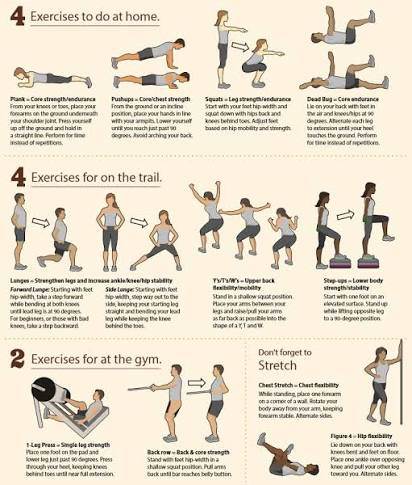
Focus on exercises such as:
- Squats
- Lunges
- Step-ups
- Calf raises
- Wall sits
- Stair climbing
You do not need heavy gym equipment. Most of these exercises can be performed at home.
3. Core Strength
Walking on rocky and uneven mountain trails: Core strength helps to maintain balance and stability.
Good core strength will also help maintain good posture, particularly when carrying a backpack.
Simple exercises such as planks, side planks, bird dogs, and bridges can help strengthen your core muscles.
4. Balance and Flexibility
Not all mountain trails are paved. There are areas of slippery wet floors, loose stones, narrow paths and uneven steps.
These sections are traversed confidently with good balance.
Stretching, single leg balancing, yoga, and frequent walking on various surfaces can help increase flexibility and stability.
5. Mental Endurance
It's essential to be physically fit, but mental strength is also valuable.
Days may be very tiring, the weather may be unexpected, the trail may be more challenging than expected.
These situations can be managed, if you remain patient, maintain a positive attitude and understand your own physical limits.
The key to a successful trek is not to get to the top of the mountain as fast as possible. It's all about taking pleasure in the trip and acknowledging your body's requirements.
How Many Hours Should You Be Able to Walk Before a Trek?
The number of hours that each trekker should be able to walk before embarking on a Himalayan trek is not fixed.
But remember to prepare for the length of time you’re going to be on your feet for your selected hike.
For example:
Easy treks: walking for 2-4 hours is a normal level of fitness.
Moderate treks: Goal is to become fit for 4-6 hours of walking.
Rough in on the time it takes: On average, the treks are about 6 to 8 hours of walking, depending on each itinerary.
These are general training goals and don't have to be met.
It's also a good idea to walk every day in a row. Trekking in Nepal can even take up to a few days of walking on a daily basis, and your body must get used to doing it repeatedly.
Have some weekend hikes before you leave if possible. This will give you an idea of how your body reacts to longer walks.
Before Any Himalayan Trek, Here are some tips on how to prepare your body.
With regards to preparing for trekking, it is not important to join an expensive fitness center or have a private trainer.
You can make a dramatic improvement in your fitness level with a simple and consistent training regimen.
Best to start preparing 6-8 weeks prior to your trek. Taking off early is helpful if you are on a difficult course.
1. Regular Walking
Regular Walking is the first step.The first step is Regular Walking.
One of the easiest and better ways to prepare for a trekking is to walk.
Start walking 30 minutes a day. Slowly work up to 45 minutes, one hour or even more.
Incorporate walking on different surfaces and use some gentle uphills as appropriate.
2. Practise Climbing Stairs
It is especially important for those who are training for Himalayan trekking.
There are several long stone staircases in Nepal's trekking routes. The repetition of stair climbing will build leg strength and increase cardiovascular endurance.
It's best to build up slowly and aim to work up to the number of stairs you're able to do when you're fitter.
3. Include Strength Training
Strength training can help your muscles adapt to the physical challenge of walking.
Concentrate on your legs, core and lower body.
A basic exercise regime at home can consist of:
- 15 squats
- 20 lunges right and left leg
- 15 calf raises
- 30-second plank
- 10 step-ups on each leg
Play 1 or 2 rounds and build up the number of repetitions as you get fitter.
5. Try out new hikes.
It is essential to have a walk on actual trails to prepare for trekking.
Weekend walks are great for practising uphill walking, downhill walking and keeping a steady pace.
In and around Kathmandu, there are some hiking trails available such as around Shivapuri, Nagarkot, Champadevi or Phulchowki.
Trails to practise on uneven ground if you plan to visit high mountain areas.
6. Complete exercise using a backpack
Before your hiking adventure you should know how to wear a backpack so it's comfortable for your body.
Use a lightweight pack and add weight by putting the items in to the daypack you are planning to use.
Practicing with a backpack will teach your shoulders, back and legs to adjust to the extra weight.
Don't carry any unnecessary items on your travel.
A Simple 6-Week Fitness Plan for Trekking
If you are new to trekking, following a structured fitness routine can make preparation easier.
Here is a simple six-week training plan suitable for beginners preparing for an easy to moderate trek.
Week 1: Build a Routine
Begin with 20-30 minutes of walking per day.
Add some simple stretches and simple exercises like squats and calf raises.
The aim is for physical activity to be a normal daily occurrence.
Week 2: Improve Stamina
Go for 40 minutes of walking.
Stair climbing – two or three times a week.
Begin to start some basic strength training.
Week 3: Strengthen Legs
Take a walk for about 45 minutes.
Incorporate lunges, squats, step-ups and planks into your workout.
Take a short hike on the weekend up a hill.
Week 4: Increase Endurance
Walk for 60 minutes.
Include longer weekend hikes and practise walking with a lightweight backpack.
Pay attention to your breathing and walking pace.
Week 5: Practice Trekking Conditions
Walk on a trail for 2 – 4 hours.
Use your day pack, and wear your own trekking shoes.
Walk on back to back days if possible to get an idea of how your body reacts.
Week 6: Stay Fit and Recover
Resume light strength and moderate walking exercises.
Don't start exercising suddenly at high intensity.
Allow muscles sufficient recovery time before going on your trip.
Please note, this plan is a general fitness plan and does not provide a medical or altitude assessment. Modify it based on your fitness level and the level of difficulty of the trek you want to do.
Does High Altitude Require Better Physical Fitness?
This is one of the greatest misconceptions about going on a hike in the Himalayas, that stronger people are less likely to suffer from altitude sickness.
This is not true.
Physical fitness will help you meet the physical challenges of trekking, but will not prevent altitude sickness.
Acute Mountain Sickness (AMS) is an altitude sickness that may happen to any traveller to high altitudes. Symptoms may occur in even the trained trekker and professional athlete.
The higher the altitude, the less oxygen will be in the air. It takes some time to adapt to these conditions.
Common signs of altitude sickness are:
- Headache
- Nausea
- Dizziness
- Loss of appetite
- Unusual tiredness
- Difficulty sleeping
When you are trekking at high altitudes, it's very important to acclimatize well.
Stick to a schedule, climb slowly, drink plenty of water and heed to your body.
Avoid ignoring signs and symptoms of altitude sickness. Do not go up any higher until symptoms have passed. If symptoms become severe or you become short of breath, experience confusion (unsteadiness of mind) or find it hard to walk straight, go down and get medical help now.
Keep in mind that physical training cannot substitute for adequate acclimatization.
Can Beginners Go on a High-Altitude Trek?
With the right itinerary, suitable preparation, and guidance, high altitude treks in Nepal can be achieved even by the beginners.
Experience in trekking is recommended but not always required.
Many trekkers for the first time make it to Everest Base Camp and Annapurna Base Camp.
But for those starting out, they should be aware that trekking is a physically demanding activity at high altitudes.
When selecting a route, think about the following:
Choose the Right Trek
Avoid choosing a trekking route based solely on its social media buzz. Know how difficult it is, as well as the height, length and number of walks required each day.
Allow Enough Time
Don't pick an itinerary that is a fast-moving pass through the mountains. High altitude travel is always a challenge and requires sufficient acclimatization days.
Train Before Departure
Develop stamina by walking, hiking and doing strength training regularly.
Consider a Guide
You can have an experienced local guide who can help you understand what the trail is like, how to navigate your daily walks and how to handle some of the unexpected situations.
Listen to Your Body
Don't feel obligated to keep up with another trekker. All people react to altitude in their own unique way.
Is there any difference in fitness level between trekking by age?
You can't tell by looking at a person's age if he or she can trek.
Trekking is a popular activity in Nepal among people of all ages, including those in their 20s, 30s, 40s, 50s, and beyond.
It is more important that you are generally fit to do it, have done something similar in the past and can cope with the routes you are interested in.
This does not mean that younger trekkers are better equipped for high altitude trekking.
Likewise, for older trekkers who have sound fitness, they can do moderate trekking without any issue.
For those who suffer from an existing medical condition, joint problems, heart or respiratory issues, or have not moved around for a while, make sure you speak with a health care professional before you do a strenuous hike.
It is important to select a suitable walk plan and stay at a comfortable rate of pace at any age.
What Should You Eat to Prepare for Trekking?
Preparing the body for a trekking adventure is an important part of nutrition.
There is enough energy in your body to exercise and walk long distances regularly.
There's no need to spend a fortune on a special diet or sports nutrition products. In general a balanced diet with carbs, protein, healthy fats, fruits and vegetables will suffice.
Here are some of the foods that are helpful:
Carbohydrates
Energy foods: Rice, potatoes, oats, bread and whole grains.
Protein
Protein foods like eggs, lentils, beans, chickpeas, milk and yoghurt help the muscles to heal.
Healthy Fats
Nuts, seeds and other good fat sources add extra energy.
Fruits and Vegetables
Fruits and vegetables, including bananas, apples, oranges, seasonal fruits and green vegetables, are rich in vitamins and minerals.
1. Water
Drink plenty of water before, during and after training.Drink plenty of water before, during and after your training period and throughout the trek.
Throughout your trip to Nepal, traditional dishes like dal bhat, vegetable curry, soups, and seasonal vegetables can offer a balanced source of energy and nutrients.
Don't make drastic diet changes right before your hike.
Before you start out, there are a number of common mistakes that you should steer clear of if you intend to embark on a trekking journey.
When it comes to preparing for a trek, there's more than just exercise involved. It's also about preventing errors that could impact your performance and experience.
2. Overcoming a lack of confidence.
There are many trekkers who start preparing only a few days prior to their trips.
This isn't enough time for your body to build up endurance and strength.
Train for at least 6-8 weeks prior to an easy or moderate trek. A longer preparation period may be needed for more challenging routes.
3. Avoiding the Challenge of Running
Walking is very valuable but should not be the only form of exercise.
Balance exercises, flexibility exercises, and strengthening exercises also help to enhance your trekking performance.
4. Ignoring Downhill Training
A lot of people concentrate on walking up hill but don't think about the downhill bits of course.
When you walk downhill, your knees and leg muscles are put under more strain.
Learn to walk down in a controlled manner, and incorporate strength training into your prep.
5. Purchasing New Trekking Shoes at the Last Minute
Discomfort can ruin a good trekking day!
Select appropriate footwear for trekking before you leave and use it on training hikes.
This allows your feet to get used to the shoes and helps you detect any problems, like blisters.
- Pushing Yourself Too Hard
- A lot of training doesn't ensure good trekking.
- Overtraining may lead to muscle soreness, fatigue and injuries.
- Ramp up the intensity of workouts, and incorporate rest days.
6. Ignoring Acclimatization
Physical strength does not guarantee that you are able to climb to higher altitudes without acclimatization.
Always adhere to a safe trekking plan and take the signs of altitude seriously.
How Do You Know If You Are Fit Enough for a Trek?
Before departure, consider whether you can comfortably complete the following activities:
- Walk continuously for 60 to 90 minutes.
- Climb several flights of stairs without becoming completely exhausted.
- Complete a moderate uphill hike.
- Walk on uneven surfaces while maintaining balance.
- Carry a lightweight backpack.
- Recover comfortably after regular physical activity.
- Walk on consecutive days without excessive fatigue.
For moderate and challenging treks, gradually increase your training duration and practise longer hikes.
These activities are useful indicators of general fitness, but they do not guarantee that you are ready for a particular high-altitude trek.
Your preparation should always match the actual route and itinerary.
FAQs
1. Is there a need for physical fitness to trekking in Nepal?
Yes, some degree of fitness is required. The majority of trekking trails call for a number of hours of strolling each day on uneven ground. But it's not necessary to be an athlete. Preparations can be made by walking regularly, and by doing some basic fitness training.
2. Can unfit persons can go trekking?
Indeed, easy trekking routes are available for beginners and those with less exercise experience. But it is crucial to get fit before you journey, and pick a location that suits your physical level.
3. How many hours should I walk in advance of a trek?
Begin walking for 30 minutes a day and slowly add more time. Plan 2-6 hours of walking during your preparation time, depending on your path.
4. How many days should I train before trekking in Nepal?
Six to eight weeks of regular preparation is a good guideline for an easy or moderate hike. Extensive training may be needed for challenging hikes at high altitudes.
5. Is it possible not to train in the gym to do Everest Base Camp trek?
Yes,The Everest Base Camp Trek doesn't require that you go to the gym. Preparation can be done by walking, hiking, climbing stairs or by home strength training. Good endurance and appropriate acclimatisation are required however.
Final Thoughts: You Do Not Need to Be an Athlete to Trek in Nepal
Then, what is the level of fitness required for a trek?
You must be able to walk comfortably, do a bit of climbing, have sufficient endurance for a full day, and be able to participate in a number of days of physical activity.
There is no need to be a professional athlete, marathon runner or a seasoned mountain climber to enjoy the beauty of the Nepal Himalayas.
Initiate with regular walking, build stamina, tone up legs and practice hiking prior to departure. Select a trek which is appropriate for your fitness levels and make sure you have sufficient time to acclimatise.
Above all, keep in mind that trekking is a journey, and not a race to the finish line.
Whether you're an adventurous hiker looking for a challenging trek or a more leisurely traveler seeking a relaxing hike, Nepal has something for everyone.
If you're prepared, have realistic expectations, and maintain a positive attitude, your initial trek in the Himalayas can be one of the most rewarding experiences you will ever have.
For the next time you want to go trekking in the Himalayas, Happy Mountain Nepal can help you select an appropriate trek destination, put together a comfortable itinerary and trek with experienced local professionals.
It all starts with one foot step in the Himalayas!