
How Not to Enjoy Nar Phu Trekking: A Detailed Guide to the Mistakes You Should Avoid
Nar Phu Valley is an untouched and inaccessible part of Nepal’s Annapurna, bordering Tibet. It had no visits by trekkers until 2002, but it presents a virgin Himalaya scene, ultra-rich Tibetan heritage, and medieval villages that remain suspended in animation. Nepal’s Nar Phu Valley trekking is an incredible way to find ancient Himalayan culture and treks through landscapes that appear to be blessed naturally.
Everest and Annapurna may be the well-trod paths but Nar Phu is a trek for those serious about an original and raw experience with culture in remote locations, high-altitude trekking in wilderness with real Himalayan hospitality that involves no tourists and fancy teahouses, just the real beauty of the mountains.
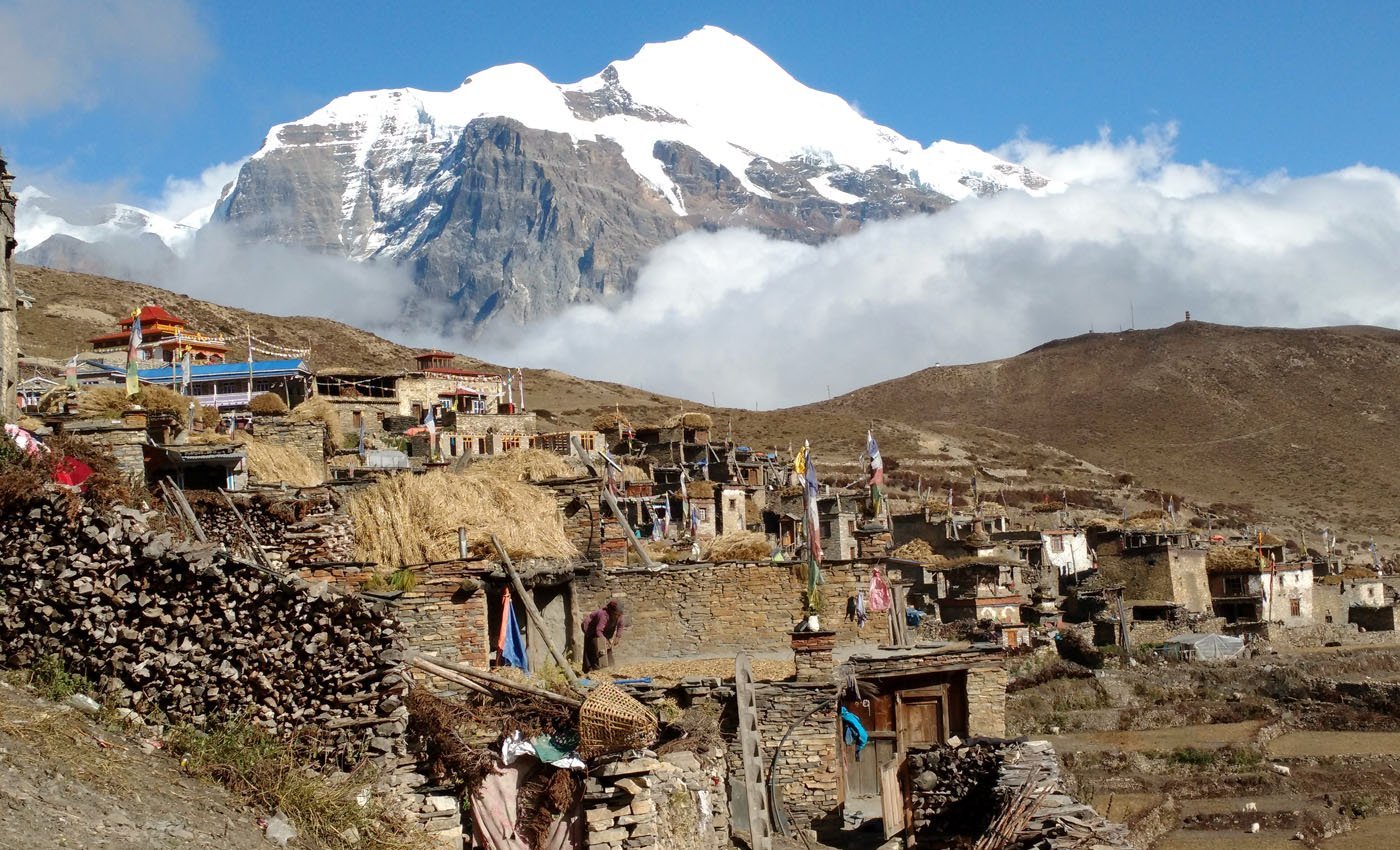
The trek features the mythical Kang La Pass (5,320m), medieval Tibetan towns, and ancient gompas (rock-hanging monasteries). Adventure and culture with excellent view of Annapurna II, Gangapurna, Tilicho Peak, etc.
The Nar Phu Valley Trek is of 12 to 15 days duration. The length of the trek is the distance of the trek in and out of the trailhead, the time you spend overnight at a higher elevation for multi-days, nights in cultural villages, some multiple high passes to cross over 2 or 3 days, etc. I would say to not rush.
To have a successful trek. In this blog, we will try to explain, some of the major thing to avoid during Nar Phu Valley trek:
1. Underestimating the Remote Terrain
If you go into this area mentally prepared for the tough terrain and expect to see smooth trails and have plenty of resting points or tea houses along the way. You are in for a surprise at how quickly your emotions will change to frustration. Many individuals who trek to Nar Phu are often unprepared for the remoteness of the area and can easily be overwhelmed and panic when they find out there isn’t much infrastructure in the Himalayas. To support their needs and instead end up spending the majority of their time trying to maintain some level of mental stability while navigating through what should have been a relaxing getaway from the stresses of everyday living in the Himalayas.
If you are not physically fit and trained to acclimate your body to elevations above 4,000m. It can ruin your experience while trekking in Nar Phu. The terrain goes from approximately 2,500m to above 4,000m very quickly and thus requires some level of physical fitness. In order to endure the high altitude terrain while maintaining a steady pace and a controlled method of acclimatizing to the altitude conditions. If you start the trek thinking altitude sickness is something that doesn’t happen often and that your body will magically acclimatize to the conditions with little to no effort on your part you will likely suffer from some combination of headaches, nausea, breathlessness, or possibly an emergency evacuation due to altitude sickness.
If you’re competing against your body while hiking, instead of enjoying the beautiful views along the way. The experience becomes more of a “survival mission” rather than an experience you can immerse yourself in. Not preparing your legs, lungs, and endurance level will certainly make each step feel more difficult, and be a longer time (for you) between stops.
2. Going Trekking at the Wrong times and Experiencing Severe Weather
Usually when you go on a trekking trip to Nar Phu during a time that is not the best time of the year for a trek. You are likely to deal with unpredictable weather conditions such as snow storms, muddy and slippery trails, landslides, or very cold and uncomfortable nights. The Monsoon season also has its share of leeches, muddy and slippery trails, and hazy views. Winter is also a time of year in this region, and thus, many of the higher mountain passes are going to be covered with deadly snow or ice (making them unsafe to cross).
If you don’t do your due research on the potential forecast before going on your trek during these particular months or seasons, your experience will probably have been terrible. Due to extreme discomfort, as well as the additional risk factors associated with this.

3. Ignoring the Cultural Sensitivity of Nar and Phu Villages
The Nar Phu area is culturally Tibetan, and is very spiritual and traditional. One way to ruin your trek in this area is to go against the traditions and local customs. If you’re going to walk into a monastery without having permission, take pictures of the locals without asking them first, or not following the local dress code.You are going to be an outcast in this close-knit community. If you don’t take the time to understand the cultural differences between trekkers and local peoples, the connection that you should have there. And the ability to create warm memories will be replaced with awkward and/or hostile experiences.
The culture of a region can be experienced through the people, their customs and traditions, as well as their ways of living. If you do not appreciate these aspects, then your experience will not be complete to the fullest extent.
3. Carrying the Wrong Gear
The clothing/gear you select has the largest effect on the amount of pleasure/suffering (and endurance).You will encounter on your trek through Nar Phu. For example, if your shoes are too small. If you only bring a very lightweight jacket to use at night because the temperatures in the Himalayas drop well below freezing, or if you forget critical pieces of gear such as gloves, trekking poles or waterproof jackets. You are going to have a rather unpleasant experience on your trek through this region.
Using cheap or lower-quality outdoor equipment will usually result in various forms of discomfort for trekkers including: becoming cold at night; losing your grip on rugged trails; developing blisters that make moving difficult; etc. When comfort is sacrifice in a trek turns into an artificial struggle. And it takes away from the overall enjoyment factor of the adventure.
Usually, mistakes related to equipment are small decisions, which can lead to very large degrees of discomfort through the Nar Phu valley, making it seem much worse than it actually is.
4. Not Hiring a Guide and Getting Lost or Confused
Additionally, because Nar Phu is not as clearly marked as many of the more popular trekking areas. There are times when trekkers may find that they have lost their way due not only to lack of proper signage or information. But also due to the fact there are no reputable guides available to provide assistance to them should they require assistance in navigating safely through this very remote area of Nepal. As many just assume that they can navigate their way through the Nar Phu area without having any prior knowledge prior to embarking on the trek.

They generally will fail to see the opportunities to gain cultural knowledge; the history of the monasteries; pacing their physical limitations with respect to altitude, etc. Those who do decide to trek alone and encounter issues are confronted with the stark reality of being totally isolated from others and not having any means to obtain help if they do require assistance. A recommendation I would strongly suggest is to use a professional guide for the Nar Phu trek. It would be the single best way to avoid turning an amazing trip into a nightmare.
5. Expecting Luxury and Modern Comforts
The Nar-Phu region is not a luxurious trekking destination. The tea houses are typically very simple, the food is not gourmet, and it can get quite chilly at night. If you are going on this trek for the hot showers every night, heating in your room, Wi-Fi and/or an abundance of Western cuisine choices, you will be disappoint.
When you trek through the Himalayan valleys (Nar Phu Valley, for example), you’ll likely do so in a rush, distracting you from experiencing everything that this beautiful new landscape has to offer (and how truly unique it is), as well as depleting your energy when you’re trying to navigate these mountains. If you’re unable to properly adjust your body/mind to the pace of this area, your entire experience could feel overwhelming.
6. Not Being Mentally Ready for Silence
If you love nature and solitude, Nar Phu is perfect for you. The trails are peaceful, the villages are small and there is no sign of civilization (if that’s important to you). There will be no tourists, active nightlife nor regular social interaction while traveling through this area; as such, if you expect to have these experiences, you will feel lonely and anxious throughout the entirety of your trip.
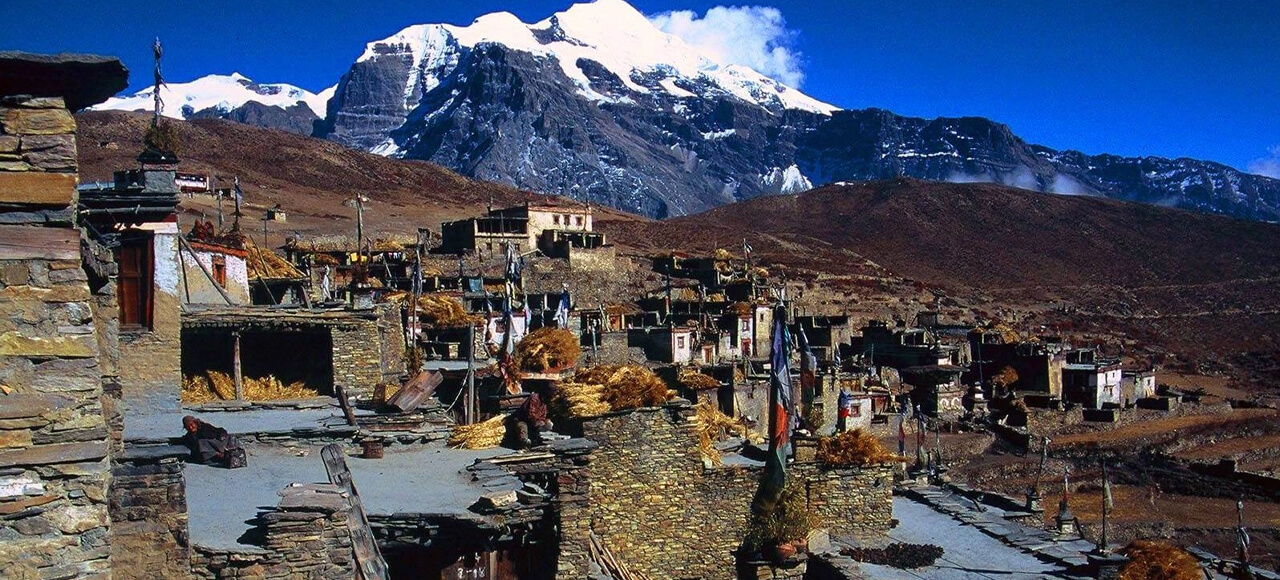
Most people underestimate just how remote feeling Nar Phu can be the long periods of time spend between villages can create an overwhelming sense of isolation without a proper mental preparation for the trip. If your mind is not prepare for silence, it will become uncomfortable instead of comforting. As a result, if you are not mentally prepare. Your mind may interpret silence to be an empty feeling rather than a calming, relaxing experience, making your journey very draining, instead of invigorating.
Conclusion
Nar Phu Valley is certainly one of the premier trekking destinations within Nepal, but it does call for diligent preparation along with respect, time and the right mindset. Knowing how not to enjoy your trek, gives you a clear path as to what not to do on your journey. Thereby allowing you to approach this experience with realistic expectations, and preparation that are prepare and think with mindfulness.
Understanding the region’s terrain, weather, culture, and rhythm can help ensure that you’ll have some of the best experiences trekking in the Himalayas on the Nar Phu Trek. Serous trekkers should avoid the errors outlined in this guide, and make their way through Nar Phu as a memorable adventure, not one that is more difficult than it needs to be.